York Pride: A History of Celebration and Activism
York Pride serves as a vibrant intersection of celebration and political advocacy, reflecting the evolving landscape of LGBTQ+ rights (Lesbian, Gay, Bisexual, Transgender, and Queer) in North Yorkshire. Since its inception, the event has grown from a focused campaign for marriage equality into the region's largest free one-day celebration of diversity and dignity.
Key Facts
- Founded: 2012 to celebrate gay rights and advocate for marriage equality.
- Peak Attendance: Over 17,500 people participated in the 2025 event.
- Primary Locations: Historically starting at York Minster and concluding at venues such as Bustardthorpe Field or the Knavesmire.
- Regional Status: The largest LGBTQ celebration in York and North Yorkshire.
- Accessibility: Recent events have introduced "Quiet Hours" and improved tracking for inclusivity.
The Early Years: 2012–2019
York Pride was established in 2012 with a clear mission: to celebrate the progress of gay rights and press for marriage equality and fair international treatment. The inaugural event was specifically themed around marriage equality, partly in response to comments made by the Archbishop of York, Dr John Sentamu, who opposed same-sex marriage proposals.
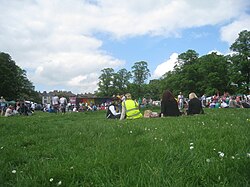
The first march took place on 21 July 2012. Approximately 500 participants followed a double-decker bus, the York Samba Band, and a 100-metre rainbow flag on a two-mile route from York Minster to Bustardthorpe Field. The day featured speeches from York MP Hugh Bayley, leader of York City Council James Alexander, and representatives from the Conservative and Liberal Democrat groups.
Growth and Political Tension
As the event grew, it became a platform for both remembrance and protest. In 2016, a minute's silence and the release of 49 balloons honored the victims of the Pulse nightclub shooting. By 2017, the event saw protests against the York Conservatives following the Conservative Party's coalition with the Democratic Unionist Party, which opposed same-sex marriage.
This political friction led some Conservative Party members to boycott the 2018 event due to safety concerns. However, organizers welcomed their return, emphasizing the importance of free speech. By 2019, the event's community reach expanded significantly, with the parade led by hundreds of students from 25 schools and colleges across York, Selby, Tadcaster, Malton, and Ryedale.
Modern Era: 2020 to Present
In recent years, York Pride has seen a substantial increase in attendance and a shift toward greater accessibility. The 2023 event moved its conclusion to the Knavesmire, featuring 120 stall holders and performances by artists such as Claire Richards and Kimberly Wyatt.
The 2024 celebration focused on inclusivity, introducing a "Quiet Hour"—a period where music is turned off to accommodate sensory needs—alongside a dedicated food and drinks court and improved accessible tracking. The number of stall holders increased to 150.
Record-Breaking Milestones
The 2025 event marked a historic peak with over 17,500 attendees. The parade route was modified to start at Parliament Street, navigating through the city center to the Knavesmire. The event was attended by the Lord Mayor of York, Martin Rowley, and the Mayor of York and North Yorkshire, David Skaith.
Despite the celebration, the 2025 event faced challenges, including a protest where Labour MP Luke Charters was targeted with a can of baked beans. Additionally, a legal debate emerged regarding police participation. Following a High Court ruling that uniformed Northumbria Police officers' participation in Newcastle Pride 2024 was unlawful, North Yorkshire Police announced they would abide by the ruling. York Pride chair Greg Stephenson noted that Pride remains both a celebration and a protest where visibility and dignity are asserted.
Looking Toward 2026
The 2026 event, scheduled for 30 May, is supported by the Mayor of York and North Yorkshire and the Combined Authority, which invested £22,000 via the Vibrant and Sustainable High Street Fund. Despite receiving a discriminatory letter claiming LGBTQ people were "not normal," organizers have reaffirmed that such hostility only reinforces the necessity of continuing the Pride tradition.
York Pride Event Summary
| Year | Key Milestone/Feature | Notable Participants/Performers | Venue/Route End |
|---|---|---|---|
| 2012 | Inaugural event; Marriage equality focus | Craig Colton, Scooch | Bustardthorpe Field |
| 2016 | Pulse nightclub shooting memorial | Christopher Biggins | York Minster area |
| 2018 | Focus on free speech and inclusivity | Cleopatra, Cheeky Girls | York Minster start |
| 2023 | Increased vendor presence (120 stalls) | Claire Richards, Kimberly Wyatt | Knavesmire |
| 2024 | Introduction of "Quiet Hour" | 150 stall holders | Knavesmire |
| 2025 | Record attendance (17,500+) | La Voix, Kerry Ellis | Knavesmire |
Frequently Asked Questions
What was the original purpose of York Pride?
York Pride was established in 2012 to celebrate progress in gay rights and to advocate for marriage equality and fair treatment for people regardless of their sexuality.
Where does the York Pride parade typically end?
While early events ended at Bustardthorpe Field, more recent celebrations have concluded at the Knavesmire.
How has York Pride improved accessibility for attendees?
In 2024, organizers introduced a "Quiet Hour" with music turned off, added more accessible tracking, and created a dedicated food and drinks court area.
What is the largest attendance recorded for the event?
The 2025 event saw a record of over 17,500 people, making it the largest free one-day event and LGBTQ celebration in York and North Yorkshire.
How is the 2026 event being funded?
The Mayor of York and North Yorkshire and the Combined Authority provided £22,000 in investment through the Vibrant and Sustainable High Street Fund.