Yemen Road Infrastructure and Travel Safety
Yemen's road transportation system is notably limited relative to the country's overall size. With a total network of 71,300 kilometers, only 6,200 kilometers are paved, creating significant challenges for both domestic transit and international travel. While some corridors remain functional, much of the infrastructure requires urgent modernization to support the nation's connectivity.
Regional Infrastructure Variations
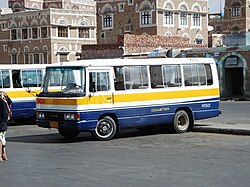
The quality of roads in Yemen varies significantly by region. In the north, the routes connecting Sanaa, Taizz, and Al Hudaydah are generally in good condition, supported by a reliable intercity bus system. Conversely, roads in the south are often in disrepair, with the Aden–Taizz road serving as a primary exception.
Infrastructure Development Projects
To address these deficiencies, several large-scale projects have been initiated. In November 2005, the World Bank approved a US$40 million project aimed at upgrading 75 kilometers of village-access roads and 200 kilometers of intermediate rural roads. This initiative was designed to enhance the country's engineering and planning capabilities for rural infrastructure.
Furthermore, plans have been developed for a massive US$1.6 billion highway linking Aden in the south to Amran in the north. This proposed highway would feature more than 10 tunnels and is expected to halve the travel time between the northern border with Saudi Arabia and the southern coast.
Driving Conditions and Safety
Road travel within Yemen is frequently characterized as unsafe. In urban centers, minivans and small buses operate on somewhat regular routes, though they often pick up and drop off passengers with little regard for surrounding traffic.
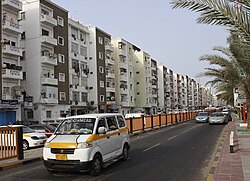
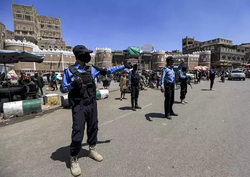
While taxis and public transport are widely available, they often lack essential safety precautions. Despite the presence of traffic lights and traffic police, drivers are urged to exercise extreme caution, particularly at intersections.
Legal Framework and Enforcement
Although traffic laws exist, enforcement is inconsistent. While Yemeni law specifies right-hand driving, some drivers continue to drive on the left. Other notable safety gaps include:
- Seat Belts: There are no laws mandating the use of seat belts or child car seats.
- Speed Limits: The maximum speed for private cars is 100 kilometers per hour (62.5 miles per hour), though this is rarely enforced.
- Vehicle Maintenance: Many vehicles are in poor repair, often lacking functional headlights, taillights, or turn signals.
- Driver Demographics: There is a prevalence of underage drivers on the roads.
Rural Travel and High-Risk Hazards
Traveling beyond the paved intercity roads requires specialized equipment. Rural routes generally necessitate four-wheel-drive (4WD) vehicles or those with high ground clearance. Pedestrians, animals, and children frequently pose hazards in both urban and rural settings.
For those traveling outside major cities, the risks increase significantly. The British government warns that mountain roads are hazardous and that travel off well-used tracks—particularly in the central highlands and the south—can be extremely dangerous without an experienced guide due to the presence of minefields left over from civil wars.
Key Facts
- Total Road Network: 71,300 km (only 6,200 km paved).
- Major Project: A proposed US$1.6 billion highway between Aden and Amran.
- Legal Speed Limit: 100 km/h for private vehicles.
- Required Equipment: 4WD vehicles are necessary for most rural roads.
- Permit Requirements: Prior permission from the Yemen Tourist Police is required to drive outside Sanaa.
| Category | Details |
|---|---|
| Paved Roads | 6,200 km |
| Total Roads | 71,300 km |
| High-Quality Zones | Sanaa, Taizz, Al Hudaydah |
| Major Planned Highway | Aden to Amran (US$1.6 billion) |
| Driving Side | Right (by law) |
Frequently Asked Questions
Is it legal to drive on the left in Yemen?
No. Yemeni law specifies right-hand driving, although some drivers may still drive on the left due to inconsistent enforcement of traffic laws.
What is required to drive outside of Sanaa?
Travelers need prior permission from the Yemen Tourist Police. These permits can take at least 24 hours to be issued and are typically obtained through travel agents.
Are seat belts mandatory in Yemen?
No, there are currently no laws mandating the use of seat belts or car seats for children.
What vehicles are best for rural travel in Yemen?
Because rural roads are generally unpaved, four-wheel-drive (4WD) vehicles or vehicles with high clearance are necessary.
What are the primary dangers of off-track travel?
Traveling off well-used tracks, especially in the south and central highlands, is hazardous due to the risk of encountering minefields from previous civil wars.