Exploring Wyoming: The Equality State of the American West
Known by the official nickname the Equality State, Wyoming is a land of vast landscapes, rugged mountains, and deep historical roots. Often referred to as the "Cowboy State" or "Big Wyoming," this 44th state in the Union offers a unique blend of high-altitude wilderness and significant industrial contributions to the United States. From the iconic peaks of the Teton Range to the expansive energy resources that power much of the nation, Wyoming is a state defined by its scale and spirit.
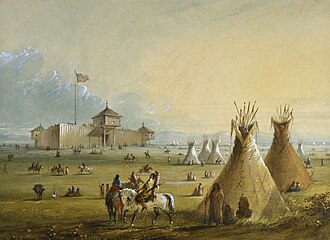
Key Facts
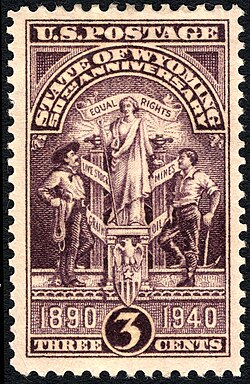
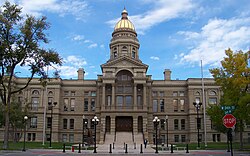
- Capital and Largest City: Cheyenne
- Statehood: Admitted to the Union on July 10, 1890
- Motto: Equal Rights
- Total Area: 97,813 square miles (10th largest in the U.S.)
- Highest Point: Gannett Peak (13,809 ft)
- Population: Approximately 588,753 (2025 estimate)
Geography and Natural Wonders
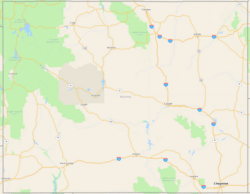
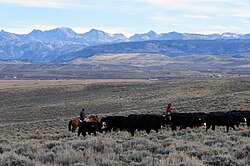
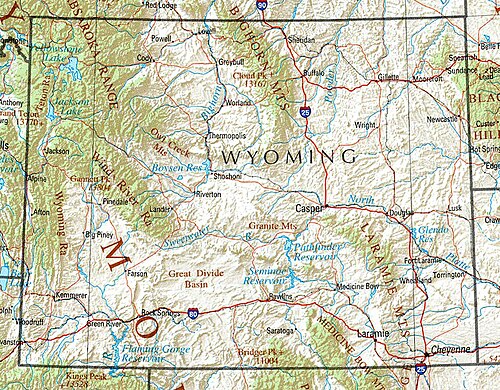
Wyoming's geography is dominated by dramatic elevation changes and diverse terrain. The state features massive mountain ranges, deep canyons, and wide basins. The Teton Range provides some of the most recognizable skylines in the country, while the Bighorn Mountains offer sweeping vistas of high-altitude wilderness.
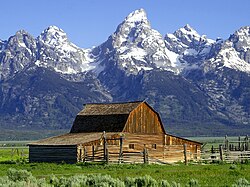
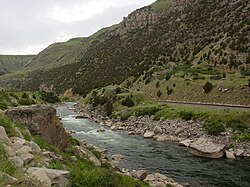
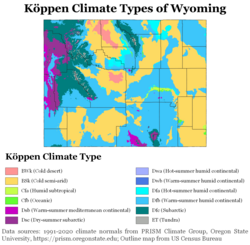
Water and earth carve the landscape through features like the Wind River Canyon and the Green River valley. The state's climate varies significantly by location, with high-altitude areas experiencing much colder temperatures and heavier snowfall than the lower basins.
National Parks and Protected Lands
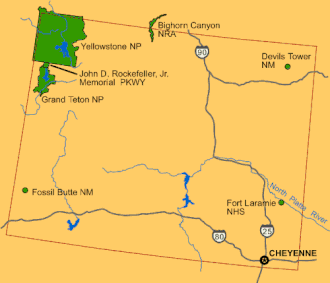
Wyoming is a premier destination for nature lovers, housing some of the most significant protected areas in the world. This includes Yellowstone National Park, which holds the distinction of being the first designated national park in the world. The state also contains Grand Teton National Park and various national monuments, recreation areas, and wildlife refuges, such as the National Elk Refuge.
Demographics and Society
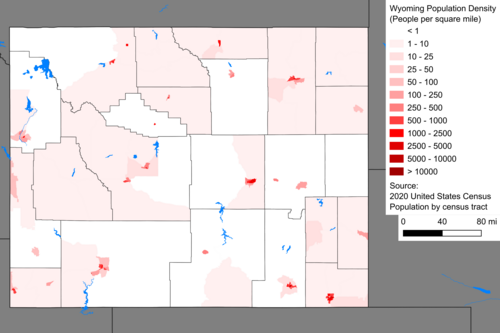
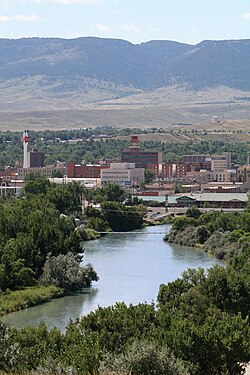
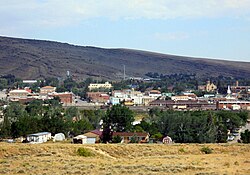
With a population density of only 5.9 people per square mile, Wyoming is one of the least densely populated states in the U.S. The population is concentrated primarily in the southeast and central regions. The largest urban centers are Cheyenne and Casper.
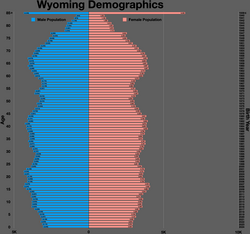
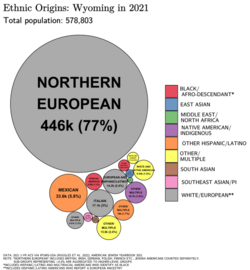
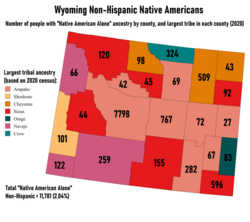
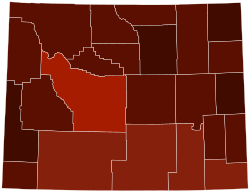
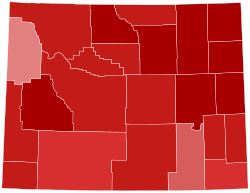
The state's demographic makeup is predominantly White, with significant Native American ancestry present in various counties. The political landscape is notably conservative, with Republican voters making up over 77% of registered voters as of March 2023.
County Structure
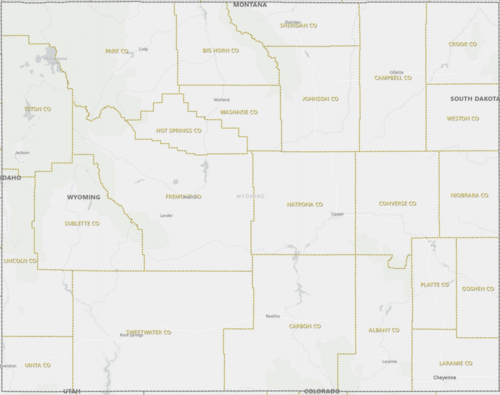
Wyoming is divided into several counties, with Laramie County being the most populous. The state's administrative divisions are essential for local governance and resource management.
| Rank | County | Population (Approx.) |
|---|---|---|
| 1 | Laramie | 100,512 |
| 2 | Natrona | 79,955 |
| 3 | Campbell | 47,026 |
| 4 | Sweetwater | 42,272 |
| 5 | Fremont | 39,234 |
Economy and Energy Production
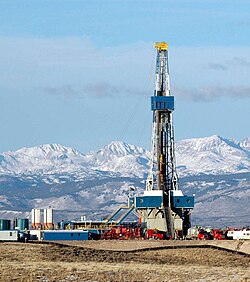
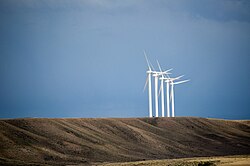
Wyoming's economy is heavily influenced by its vast natural resources. The state is a major producer of coal, oil, and natural gas. Notably, the North Antelope Rochelle Mine is recognized as one of the largest estimated coal mine reserves in the world. In addition to fossil fuels, Wyoming has become a significant player in renewable energy, particularly through large-scale wind energy projects.
![Wyoming coal production from 2001 to 2023.[85]](/images/72/e7/72e703ae993ca9c549f38242be253914e5835cba39ce6891017dfd04c0c3513c.png)
![North Antelope Rochelle Mine, the largest estimated coal mine reserve in the world, as of 2013[86]](/images/4c/a3/4ca3c0170684d81705dde7cfb5e0ac59399ef537b1816a3dcd3e09d994645dd4.png)
Culture, Recreation, and Symbols
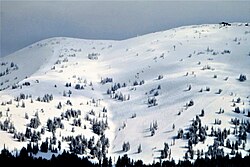
The culture of Wyoming is deeply tied to its western heritage, with rodeo serving as the official state sport. For outdoor enthusiasts, the state offers world-class recreation, including 12 different ski resorts such as Jackson Hole and Grand Targhee.
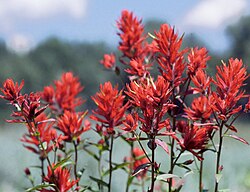
The state also maintains a rich array of official symbols that reflect its natural beauty and history, including the Indian paintbrush as the state flower and the American bison as the state mammal.

Frequently Asked Questions
What is the official nickname of Wyoming?
Wyoming's official nickname is the Equality State, though it is also widely known as the Cowboy State and Big Wyoming.
What are the major industries in Wyoming?
Wyoming's economy is driven largely by mineral and energy production, including coal, oil, natural gas, and wind energy.
Where is the highest point in Wyoming located?
The highest elevation in the state is Gannett Peak, which reaches an altitude of 13,809 feet.
What is the capital of Wyoming?
The capital of Wyoming is Cheyenne, which also serves as the state's largest city.
How many ski resorts are in Wyoming?
Wyoming is home to 12 ski resorts, including well-known destinations like Jackson Hole and Grand Targhee.