World Cup Halftime Show: A Clash of Sport and Spectacle
The introduction of a high-profile halftime show at the World Cup final sparked an intense global debate, pitting the traditional values of soccer against the commercial entertainment model of American sports. While designed to bring a blockbuster atmosphere to the world's biggest sporting event, the production faced scrutiny from purists, athletes, and broadcasters alike.
Key Facts
- Controversy: Critics viewed the show as an "Americanization" and commercialization of soccer.
- Rule Violations: Concerns were raised regarding the International Football Association Board (IFAB) rule limiting match intervals to 15 minutes.
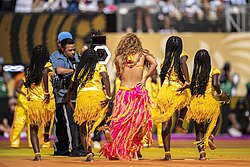
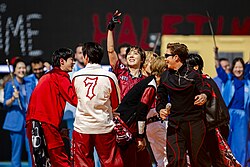
- Performers: The lineup featured global stars including Shakira, BTS, Madonna, and Justin Bieber.
- Broadcasting: Major networks like the BBC and ITV initially considered skipping the show in favor of analysis before deciding to air it.
- Timing: Previous halftime shows for the 2024 Copa América and 2025 FIFA Club World Cup finals lasted 24 minutes.
The Debate Over Commercialization
The announcement of the show was met with resistance from the soccer community. Ben Church of CNN noted that "purists" felt the concept was so far removed from the sport's origins that it felt "delirious and almost unholy." A primary point of contention was the impact on athlete performance. Professional footballers are conditioned for 15-minute breaks; experts like Gabriele Marcotti warned that extending this interval could cause players to become stiff or cold, risking their physical condition.
Furthermore, analysts highlighted the cultural divide between European and American sports. While the NFL's Super Bowl is built on a commercial model designed to sell TV advertising, European audiences have historically shown less tolerance for heavy advertising during matches.
A Necessary Evolution?
Conversely, some argued that the show represented a natural cultural clash. Supporters suggested that since the host nation is the United States, it was appropriate to stamp its own identity—where sports and entertainment are inextricably linked—on the event. Some observers, including Marcotti, suggested that as FIFA is a commercial corporation, such evolution is a necessary step to generate and redistribute revenue globally.
Broadcasting Challenges and Logistics
The length of the performance created significant hurdles for broadcasters. Many networks reached out to FIFA for clarity on the timing to manage their advertising inventory, but received no answers. This led to initial refusals from the BBC and ITV to include the show in their main television coverage, opting instead for digital services to allow pundits to analyze the first half.
While the BBC and ITV eventually aired the show, other broadcasters like TRT chose to skip it entirely, filling the time with commercials and studio analysis.
Critical Reception: A Mixed Review
Critical response to the actual performances varied wildly. Some praised the event for being "charming, friendly and intimate" compared to the typical Super Bowl spectacle, while others found it "slick, surreal and entirely unnecessary."
Critics from The New York Times and Consequence noted that while the choreography was impeccable, the show felt "thematically jumbled" and "chaotic," specifically citing a "tonal whiplash" between the sets of BTS and Justin Bieber. Others, such as Alexis Petridis of The Guardian, viewed it as a "comparative triumph" over the tournament's closing ceremony.
Performer Breakdown
Individual reviews were polarized. Madonna's set was described by ESPN as a "fever dream" and received a high score of 9/10, though her pre-recorded introduction was criticized. Justin Bieber received a lower grade of 6/10, with critics feeling his performance lacked the impact expected of a big-stage artist. Overall, several journalists noted that the show felt "overstuffed," with too many performers for the brief time allotted, preventing any single artist from showcasing their best work.
| Perspective | Key Argument | Source/Entity |
|---|---|---|
| Purists | Commercialization and "Americanization" of the sport | Ben Church (CNN) |
| Athletic | Risk of players getting cold/stiff due to long breaks | Gabriele Marcotti |
| Broadcasters | Lack of clarity on timing affected ad inventory | The Guardian / BBC / ITV |
| Critics | Slick production but thematically incoherent | The New York Times / Consequence |
Frequently Asked Questions
Why was the halftime show controversial among soccer fans?
Many fans and media members viewed the show as an attempt to "Americanize" soccer, moving it away from its traditional origins toward a commercial model similar to the NFL's Super Bowl.
Did the halftime show break any official rules?
There were concerns that the show violated the International Football Association Board (IFAB) rule, which states that a match interval should not exceed 15 minutes without the referee's permission.
How did the BBC and ITV handle the broadcast?
Both broadcasters initially planned to exclude the show from their main TV coverage to prioritize match analysis, but they ultimately decided to air the performance.
Who were the highest and lowest rated performers?
According to ESPN's ratings, Madonna received the highest score (9/10), while Justin Bieber received the lowest (6/10).
What was the main criticism regarding the show's structure?
Critics argued the show was "overstuffed," featuring too many artists in a timeframe that was too short for any of them to deliver a truly memorable or complete performance.