Winter Olympic Games: A Comprehensive History of Ice and Snow
The Winter Olympic Games represent the pinnacle of athletic achievement in cold-weather sports. From the early days of figure skating in the Summer Games to the massive global spectacles of the modern era, these games have evolved into a celebration of human endurance, precision, and speed across the world's most challenging frozen landscapes.
Key Facts
- Inaugural Games: The first official Winter Olympics were held in Chamonix, France, in 1924.
- All-Time Leader: Norway holds the record for the most total medals and gold medals.
- Recent Milestone: Norway achieved a record 18 gold and 41 overall medals during the 2026 Games.
- Global Reach: The 2018 Pyeongchang Games saw over 2,900 athletes from 92 countries compete.
- Future Hosts: Upcoming games are scheduled for the French Alps in 2030 and Salt Lake City in 2034.
The Evolution of the Winter Games
Early Beginnings (1920–1936)
Before the Winter Olympics became a standalone event, winter sports were integrated into the Summer Games. For example, the 1920 Summer Olympics in Antwerp, Belgium, featured an ice hockey tournament and figure skating. Following this, the International Olympic Committee (IOC) decided that France would host a separate "International Winter Sports Week" in 1924. This 11-day event in Chamonix laid the foundation for what we now know as the Winter Olympics.
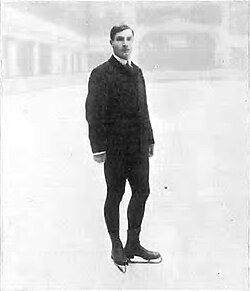
During these formative years, the games grew in prestige, with athletes like Sonia Henie becoming early icons of the movement.
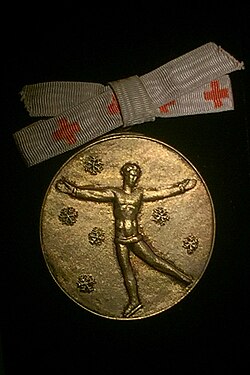
Expansion and Modernization (1948–1998)
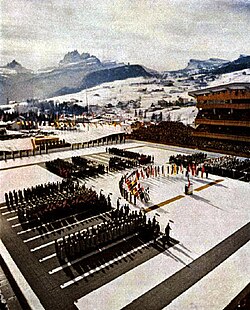
As the games progressed through the mid-20th century, they became venues for both athletic brilliance and geopolitical tension. The 1956 Games in Cortina d'Ampezzo marked a significant era of growth in visibility and organization.
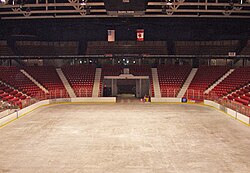
The late 20th century saw the introduction of high-adrenaline sports and legendary moments, such as the "Miracle on Ice" in 1980 at Lake Placid. This era also saw the rise of dominant athletes like Alberto Tomba, who secured five medals across three different games.

The 21st Century and Beyond (2002–2026)
The modern era has been characterized by massive infrastructure and global expansion. A landmark moment occurred in 2018 when Pyeongchang, South Korea, hosted the games. This was the first time South Korea hosted a Winter Olympics, featuring 102 events across the Alpensia Resort and Gangneung Olympic Park.
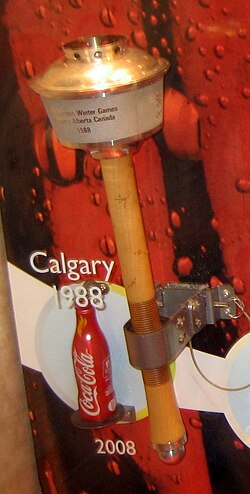
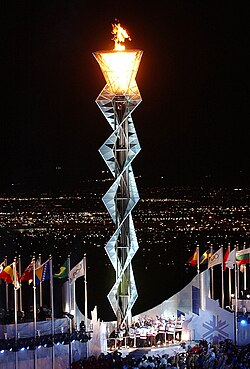
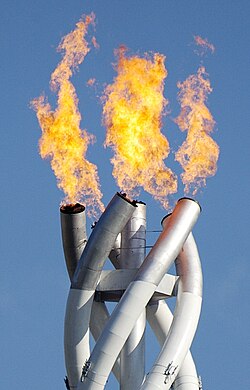
The symbolic heart of the games remains the Olympic flame, which continues to ignite the spirit of competition in every host city, from Salt Lake City to Turin and beyond.
Sports and Disciplines
The Winter Olympics feature a diverse array of disciplines, ranging from traditional Nordic events to modern board sports. While some sports like cross-country skiing have been present since 1924, others like snowboarding and short track speed skating were added in the 1990s to attract younger audiences.
| Discipline | Debut Year | Number of Events |
|---|---|---|
| Cross-country skiing | 1924 | 12 |
| Figure skating | 1924 | 5 |
| Speed skating | 1924 | 14 |
| Alpine skiing | 1936 | 10 |
| Biathlon | 1960 | 11 |
| Freestyle skiing | 1992 | 15 |
| Snowboarding | 1998 | 11 |
| Ski mountaineering | 2026 | 3 |
Medal Standings and National Dominance
Norway is the undisputed leader of the Winter Games, consistently topping the medal tables. When considering current nations, Norway leads in total medals, followed by the United States and Germany. However, if defunct states are included (such as West and East Germany), Germany takes the overall lead.
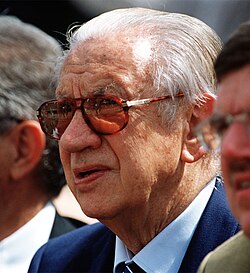
The leadership of the Olympic movement has also seen significant figures like Juan Antonio Samaranch, who presided over the IOC for more than two decades, shaping the commercial and organizational trajectory of the games.
Challenges and Controversies
The games have not been without struggle. The 2014 Sochi Games were marred by a major Russian Doping Scandal, where evidence emerged that urine samples had been tampered with. This led the IOC to initiate disciplinary proceedings against 46 Russian athletes.
Frequently Asked Questions
Which country has won the most Winter Olympic medals?
Norway holds the record for the most total medals and gold medals in Winter Olympic history.
When were the first Winter Olympics held?
The first official Winter Olympic Games took place in 1924 in Chamonix, France.
What is the most recent sport added to the Winter Olympics?
Ski mountaineering is the newest addition, debuting in the 2026 Games with three events.
How often are the Winter Olympics held?
The Winter Olympics are held every four years, following a cycle separate from the Summer Games since 1994.
What happened during the 2014 Sochi doping scandal?
The IOC launched disciplinary proceedings against 46 Russian athletes after evidence revealed that urine samples had been tampered with to hide performance-enhancing drugs.