Wilmington, North Carolina
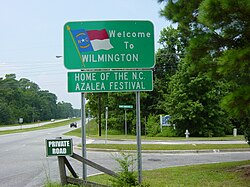
Known affectionately as The Port City, Wilmington is a vibrant coastal hub located in New Hanover County, North Carolina. Incorporated on February 20, 1739, and named after Spencer Compton, the 1st Earl of Wilmington, the city serves as a critical maritime gateway and a cultural center for the region. From its colonial roots to its modern reputation as the "Hollywood of the East," Wilmington blends historic charm with a thriving contemporary economy.
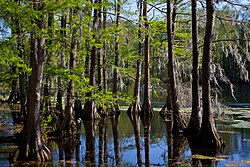
The city is defined by its relationship with the Cape Fear River and the Atlantic coast, offering a unique landscape that supports both heavy industry and a flourishing tourism sector.
Key Facts
- Nicknames: The Port City, ILM, Hollywood of the East, and Wilmywood.
- Motto: "Persevere".
- Population: 115,451 (2020 Census), with a 2023 estimate of 122,698.
- Government: Council-manager system, currently led by Mayor Bill Saffo.
- Geography: Spans 52.97 square miles with an elevation of 43 feet.
- Major Institutions: Home to the University of North Carolina Wilmington (UNCW) and the Port of Wilmington.
Geography and Climate
Wilmington is situated at 34°12′36″N 77°53′12″W. The city experiences a humid subtropical climate (Köppen Cfa), characterized by warm, humid summers and mild winters. The growing season is generous, lasting 244 days, with the first and last freezes typically occurring on November 18 and March 20, respectively.
Weather extremes in the city have ranged from a record high of 104°F (40°C) in June 1952 to a record low of 0°F (−18°C) on Christmas Day in 1989. Precipitation is significant, particularly in September, which is historically the wettest month.
Cityscape and Historic Landmarks
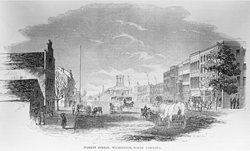
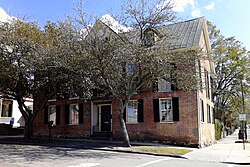
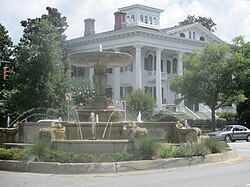
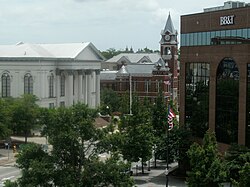
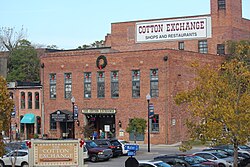
The downtown area, often referred to as Old Wilmington, is a treasure trove of American history. The city's architecture reflects its evolution from a colonial outpost to a commercial powerhouse. Notable historic sites include the Bellamy Mansion and the Cotton Exchange, which highlight the city's antebellum and commercial past.
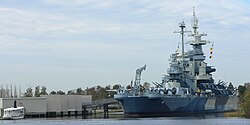
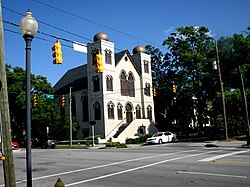
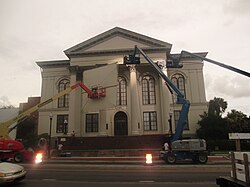
The city also preserves its spiritual and civic heritage through landmarks such as the Temple of Israel—the oldest synagogue in North Carolina—and the Thalian Hall. For those interested in military history, the USS North Carolina Battleship Memorial stands as a prominent landmark across the Cape Fear River.
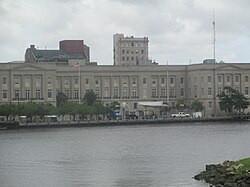
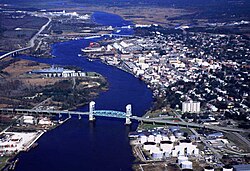
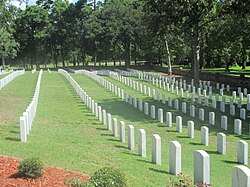
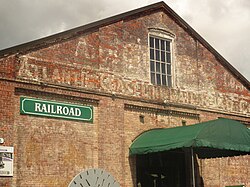
Other significant sites include the Alton Lennon Federal Building and Courthouse, the Wilmington National Cemetery, and the Railroad Museum. The city's skyline is further defined by the Cape Fear Memorial Bridge, which carries US 17 Business, US 76, and US 421.
Economy and Employment

Wilmington's economy is diversified, with strong foundations in healthcare, education, and industrial manufacturing. The Port of Wilmington remains a vital economic engine for the state.
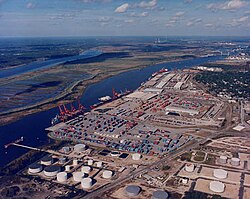
According to the 2023 Comprehensive Annual Financial Report, the city's largest employers are dominated by the health and education sectors:
| Rank | Employer | Number of Employees |
|---|---|---|
| 1 | Novant Health | 8,581 |
| 2 | New Hanover County Schools | 3,702 |
| 3 | University of North Carolina Wilmington | 2,236 |
| 4 | New Hanover County | 1,982 |
| 5 | GE Vernova Hitachi Nuclear Energy | 1,888 |
Arts, Culture, and Media
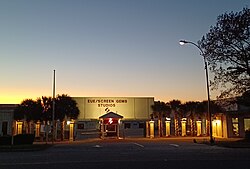
Wilmington has earned the nickname "Hollywood of the East" due to its extensive film and television production industry. The EUE/Screen Gems Studios (now Cinespace Wilmington) has hosted numerous productions, and the city's historic streets frequently serve as backdrops for movie crews.
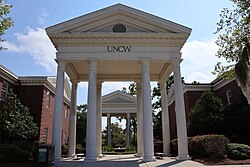
The city is also a hub for higher education, featuring the University of North Carolina Wilmington and Cape Fear Community College. Its cultural landscape is enriched by museums such as the Cameron Art Museum and the Cape Fear Museum of History and Science.
Demographics and Society
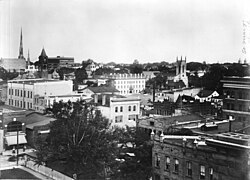
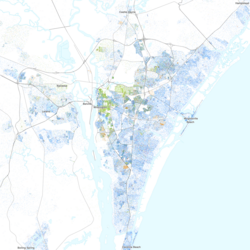
As of the 2020 Census, Wilmington's population was 115,451. The city has seen steady growth since the 19th century, evolving from a small settlement of 1,689 people in 1800 to a significant urban center. The racial composition of the city is diverse, with the 2020 census reporting a majority White population (69.11%), followed by Black or African American (16.31%) and Hispanic or Latino (8.27%) residents.
Frequently Asked Questions


What are the nicknames of Wilmington, North Carolina?
Wilmington is commonly known as The Port City, ILM, Hollywood of the East, and Wilmywood.
Who is the current mayor of Wilmington?
The current mayor is Bill Saffo, who is the longest-serving mayor in the city's history.
What is the climate like in Wilmington?
Wilmington has a humid subtropical climate with hot, humid summers and mild winters. It features a long growing season of approximately 244 days.
What are the major educational institutions in the city?
The primary institutions are the University of North Carolina Wilmington (UNCW) and Cape Fear Community College, along with several satellite campuses for other universities.
Why is Wilmington called the "Hollywood of the East"?
The city earned this nickname because of its robust film and television industry, supported by facilities like Cinespace Wilmington and its picturesque historic locations.