Whole Earth Center: A Legacy of Sustainable Living in Princeton
Located in the heart of Princeton, New Jersey, the Whole Earth Center is more than just a place to shop; it is a community-driven hub for health and sustainability. Operating as a non-profit organic food grocery store and vegetarian eatery, the center specializes in bulk items, reducing packaging waste while providing nutritious options to the local population.
The center is governed by a non-profit board. While it generates revenue through sales and fulfills its tax obligations, every cent of its earnings is reinvested into programs that promote healthy living and environmental stewardship. From supporting local food security to funding green initiatives, the Whole Earth Center serves as a financial engine for the community's ecological well-being.
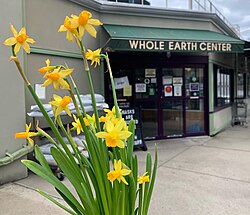
Key Facts
- Founded: April 1970, coinciding with the first Earth Day.
- Mission: To provide sustainable food choices and fund environmental protection.
- Structure: Non-profit organization governed by a board.
- Specialization: Organic groceries, bulk foods, and vegetarian dining.
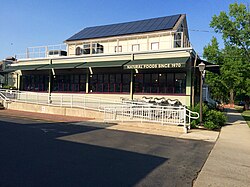
- Sustainability: LEED-certified building featuring rooftop solar panels.
A History of Grassroots Growth
The Whole Earth Center was born from a vision of sustainability in April 1970. The initiative was led by five women—Barbara Parmet, Florence Falk, Margot Sutherland, Hella McVay, and Susy Waterman. In a determined grassroots effort, they raised $4,500 through a door-to-door funding campaign to purchase the store's initial stock of bulk foods.
The center's beginnings were humble, starting in a tiny 10-square-foot space at the intersection of Pine and Nassau Streets. Within six months, the business moved to its current location near the intersection of North Harrison Street and Nassau Street. Over the decades, the center expanded its physical footprint, notably moving into a neighboring store's space in 1994.
In 2008, the center reaffirmed its commitment to the planet by undergoing a LEED-certified renovation (Leadership in Energy and Environmental Design, a globally recognized symbol of sustainability achievement). This renovation included the installation of solar panels on the roof to reduce its carbon footprint.
Community Impact and Philanthropy
The Whole Earth Center operates on a model where profit serves a higher purpose. All earnings are directed toward a wide array of healthy living and environmental programs. These include:
- Environmental Education: Sponsoring the annual Princeton Environmental Film Festival and the Princeton School Gardens Cooperative.
- Health and Wellness: Supporting Bike to Work Week and the "Eating for your Health" program (formerly known as the Suppers Program).
- Community Support: Providing funding for the Trenton Area Soup Kitchen, the D&R Greenway, and Friends of Herrontown Woods.
- Local Media: Supporting the Town Topics newspaper.
| Category | Details |
|---|---|
| Address | 360 Nassau Street, Princeton, NJ |
| Core Offerings | Organic groceries, bulk items, vegetarian eatery |
| Founding Date | April 1970 |
| Key Infrastructure | LEED-certified building with solar panels |
| Funding Model | Non-profit; all earnings fund community programs |
Location and Accessibility
The center is conveniently located for both pedestrians and drivers. The parking lot is accessible via both Nassau Street and North Harrison Street, ensuring easy access for those visiting the grocery store or the eatery. During the mid-year months, the center expands its dining capacity by providing tables and benches outside the store for patrons.
Frequently Asked Questions
What makes the Whole Earth Center different from a standard grocery store?
Unlike commercial stores, the Whole Earth Center is a non-profit. All of its earnings are reinvested into community programs focused on healthy living and environmental sustainability.
Who founded the Whole Earth Center?
The center was founded in 1970 by five women: Barbara Parmet, Florence Falk, Margot Sutherland, Hella McVay, and Susy Waterman.
Is the building environmentally friendly?
Yes, the building underwent a LEED-certified renovation in 2008, which included the addition of solar panels to the roof.
What types of food does the center offer?
The center specializes in organic food and bulk items, and it features a vegetarian eatery.
Which local organizations does the center support?
The center supports various initiatives including the Trenton Area Soup Kitchen, the D&R Greenway, Friends of Herrontown Woods, and the Princeton School Gardens Cooperative.