White-Collar Workers: Definitions, Health Impacts, and Modern Trends
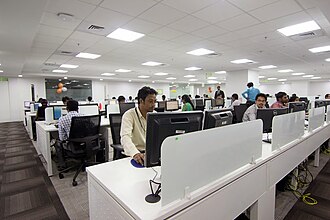
A white-collar worker is a professional who performs knowledge-based, aptitude-based, managerial, or administrative tasks. These roles are typically carried out in an office or a similar professional setting, focusing on mental rather than manual labor.
While the term is widely used today, it exists within a broader spectrum of occupational classifications based on the nature of the work performed. These include blue-collar workers (manual labor and skilled trades), pink-collar workers (care, healthcare, social work, and teaching), green-collar workers (the environmental sector), and grey-collar workers, who blend manual trades with managerial or non-manual duties.
Key Facts
- Origin: The term stems from the white dress shirts and detachable collars worn by male office workers in the 19th and 20th centuries.
- Demographics: Once a minority in agrarian societies, white-collar workers now form the majority in industrialized nations due to modernization and outsourcing.
- Health Risks: Sedentary lifestyles in office environments are linked to obesity, diabetes, hypertension, and heart disease.
- AI Impact: Recent 2024 studies suggest white-collar roles may be more susceptible to technological unemployment caused by AI than other collar categories.
Etymology and Evolution
The phrase "white collar" is credited to American writer Upton Sinclair during the 1930s, though written references to the concept appear as early as 1935. Historically, the term distinguished office employees—who wore white shirts—from manual laborers who typically wore blue overalls.
In the modern era, these distinctions have blurred. Office attire has evolved to include colorful casual or business casual clothing, making the literal "white collar" less common. Furthermore, job roles often overlap; for example, a restaurant manager may wear formal attire but still perform manual tasks like cooking or taking orders, while a construction worker may handle significant desk-based administrative work.
Health Effects of Office Work
The sedentary nature of white-collar work is a primary concern for public health. A lack of physical activity is considered a key factor in the rise of lifestyle-related conditions, including fatigue, obesity, diabetes, hypertension, cancer, and heart disease. Additionally, repetitive tasks such as monotonous data entry at a computer can lead to carpal tunnel syndrome, a condition affecting the median nerve in the wrist.
To combat these risks, many organizations have introduced workplace interventions:
- Alternative activity workstations.
- Sit-stand desks.
- Promotion of stair use over elevators.
Research into these interventions shows mixed results. Evidence suggests that sit-stand desks may reduce sitting time during the first year of use, though long-term effectiveness remains unclear. However, one intervention encouraging movement reduced sitting time by 22 minutes after one year, with the effect being three times greater when paired with a sit-to-stand desk. This approach also yielded small improvements in vigor, well-being, and stress levels.
Professional Landscape and Demographics
The shift toward a white-collar majority in industrialized countries is a result of the transition from agrarian and early industrial economies to modernized, service-oriented ones. This shift was further accelerated by the outsourcing of manufacturing jobs.
| Sector | Example Occupations |
|---|---|
| Finance & Legal | Accountant, Actuary, Banker, Lawyer, Auditor, Financial Analyst |
| STEM & Technical | Computer Programmer, Data Scientist, Civil Engineer, Chemist, Web Developer |
| Healthcare & Science | Doctor, Pharmacist, Psychiatrist, Researcher, Dentist |
| Management & Admin | Project Manager, HR Specialist, Business Analyst, Urban Planner |
| Arts & Communication | Editor, Journalist, Graphic Designer, Public Relations Specialist |
Frequently Asked Questions
What is the difference between white-collar and grey-collar workers?
White-collar workers focus primarily on administrative, managerial, or knowledge-based work in an office. Grey-collar workers occupy a middle ground, combining manual labor or skilled trades with non-manual or managerial responsibilities.
How is AI affecting white-collar employment?
As of 2024, some studies argue that white-collar workers are more susceptible to technological unemployment caused by AI compared to blue, grey, or pink-collar workers.
What are the most common health risks for office workers?
The primary risks are associated with sedentary behavior, including heart disease, diabetes, and obesity, as well as repetitive strain injuries like carpal tunnel syndrome.
Are sit-stand desks effective in reducing sedentary time?
Low-quality evidence indicates they may reduce sitting during the first year of use, but their long-term effectiveness is not yet clearly established. They are most effective when combined with active interventions to encourage movement.