Western United States
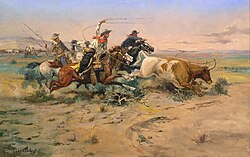
The Western United States, often referred to as the American West or the Far West, is a vast and diverse region characterized by its dramatic landscapes, sparse population densities, and a rich history of frontier expansion. Spanning from the Rocky Mountains to the Pacific Ocean and extending north to Alaska and south to Hawaii, the region is a cornerstone of American identity and economic power.
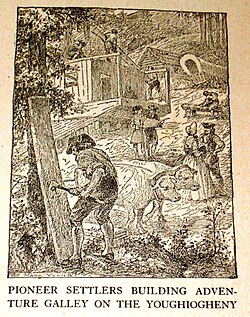
Historically, the West has been defined by its openness and the spirit of exploration. From the early Native American tribal territories to the arrival of European pioneers and the pivotal role of the first transcontinental railroad, the region has evolved from a rugged frontier into a global hub of technology, entertainment, and agriculture.
Key Facts
- Total Area: Approximately 1,873,251.63 square miles.
- Population: 78,588,572 (2020 Census).
- Largest City: Los Angeles, California.
- Economic Power: Total GDP of $7.685 trillion (2025 estimate).
- Regional Divisions: Split into the Mountain states and the Pacific states.
- Population Density: Generally sparse, averaging 45 people per square mile.
Geographic Definition and Subregions
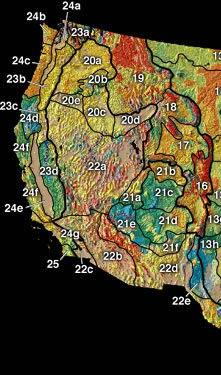
The U.S. Census Bureau divides the Western region into two primary divisions based on geography and shared characteristics.
Mountain States
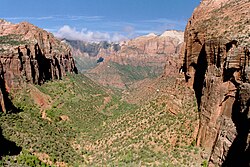
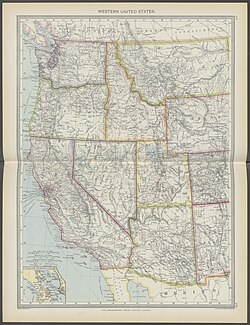
The Mountain states consist of Arizona, Colorado, Idaho, Montana, Nevada, New Mexico, Utah, and Wyoming. This subregion is defined by high elevations and rugged terrain, including the Rocky Mountains, Intermontane Plateaus, and various desert basins.
Pacific States
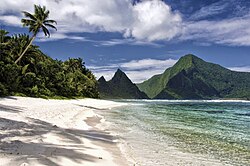
The Pacific states include Alaska, California, Hawaii, Oregon, and Washington. This division encompasses the West Coast and non-contiguous states, blending coastal rainforests, volcanic peaks, and tropical islands.
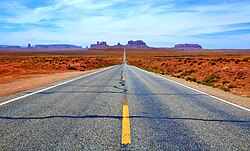
Demographics and Population
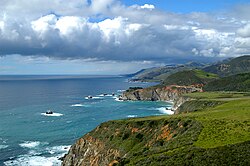
The West is one of the most sparsely settled areas of the United States. While the overall density is low, population is heavily concentrated in a few major hubs. As of 2022, nearly half of the region's 78.7 million residents live in California.
The region is a melting pot of ethnic origins. According to 2022 data, the racial distribution is as follows:
- White: 51.9%
- Hispanic or Latino: 30.8%
- Asian: 10.8%
- Black or African-American: 4.5%
- American Indian or Alaska Native: 1.9%
- Pacific Islander: 0.6%
- Two or more races: 17.0%
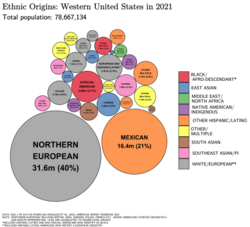
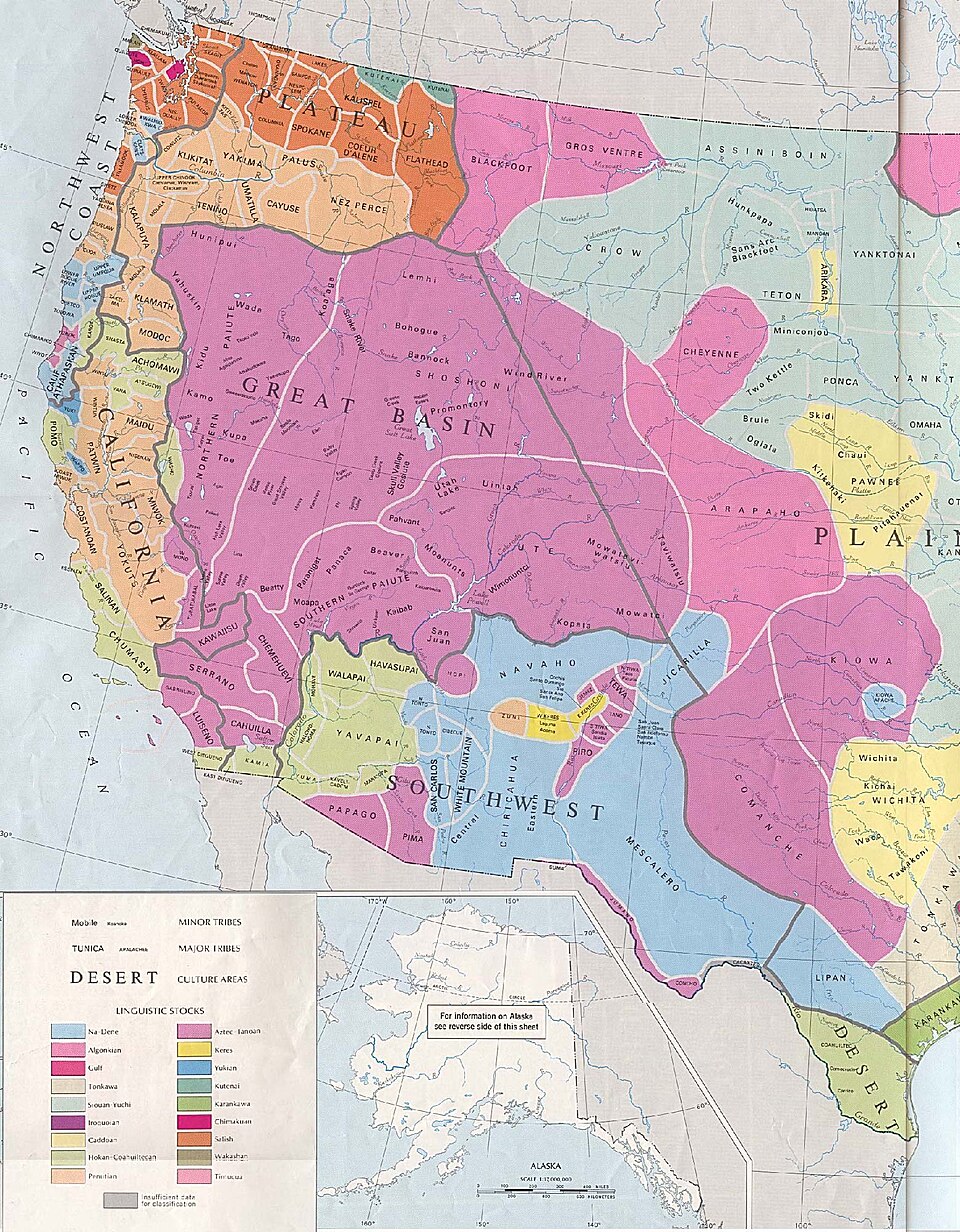
The West is also home to a significant portion of the U.S. Native American population, particularly within large reservations. This includes 365,351 Navajo, 109,208 Apache, and 78,364 Blackfeet people, alongside 276,082 individuals identifying as Indigenous Mexican.

Major Metropolitan Areas
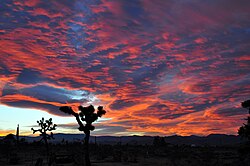
Despite the vast open spaces, the West contains some of the largest Metropolitan Statistical Areas (MSA) in the country. Los Angeles remains the dominant urban center, ranking second in the entire United States by population.
| Rank (West) | MSA | Population | State(s) |
|---|---|---|---|
| 1 | Los Angeles - Long Beach - Anaheim | 13,200,998 | California |
| 2 | Phoenix - Mesa - Chandler | 4,845,832 | Arizona |
| 3 | San Francisco - Oakland - Berkeley | 4,749,008 | California |
| 4 | Riverside - San Bernardino - Ontario | 4,599,839 | California |
| 5 | Seattle - Tacoma - Bellevue | 4,018,762 | Washington |
| 6 | San Diego - Chula Vista - Carlsbad | 3,298,634 | California |
| 7 | Denver - Aurora - Lakewood | 2,963,821 | Colorado |
| 8 | Portland - Vancouver - Hillsboro | 2,512,859 | Oregon/Washington |
| 9 | Sacramento - Roseville - Folsom | 2,397,382 | California |
| 10 | Las Vegas - Henderson - Paradise | 2,265,461 | Nevada |
Regional History and Culture
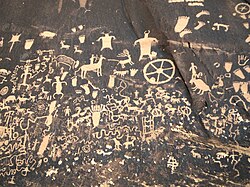
The history of the West is a narrative of migration and transformation. Early inhabitants left lasting marks, such as the petroglyphs found at Newspaper Rock State Historic Monument in Utah.
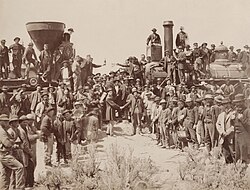
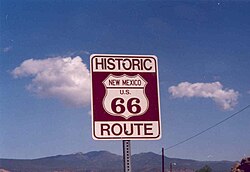
The 19th century saw the arrival of European American pioneers and the construction of the first transcontinental railroad, which accelerated the movement of people and goods. In the 20th century, the development of U.S. Route 66 further catalyzed the growth of the Southwest, turning the region into a symbol of the open road and automotive freedom.
Natural Landscapes and Wildlife
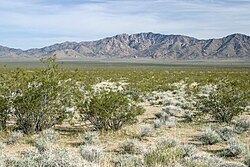
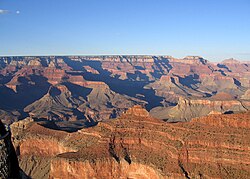
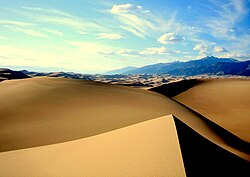
The region's geography is defined by extremes, from the arid Mojave Desert to the towering peaks of the Rocky Mountains and the deep chasms of the Grand Canyon.
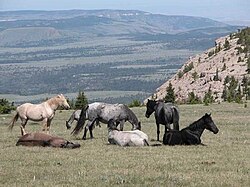
Wildlife in the West is equally diverse. Mountain lions are found throughout the region, while feral horses roam the Pryor Mountains of Montana. The raccoon remains widespread across the lower 48 states, including the Western territories.

Politics and Governance
Politically, the West exhibits a divide between the interior and the coast. Alaska and most Mountain states—specifically Idaho, Montana, Utah, and Wyoming—are Republican strongholds. Conversely, the Pacific states like California, Oregon, and Washington are predominantly Democratic.
Arizona represents a shifting political landscape; while historically Republican, it voted Democratic in the 2020 presidential election and saw both U.S. Senate seats flip to Democrats in 2018 and 2020.
Frequently Asked Questions

Which states are considered part of the Mountain states?
The Mountain states include Montana, Wyoming, Colorado, New Mexico, Idaho, Utah, Arizona, and Nevada.
What is the most populous city in the Western United States?
Los Angeles is the largest city in the region, serving as the center of the most populous metropolitan area in the West.
How is the population density of the West compared to the rest of the U.S.?
The West is one of the most sparsely settled areas in the U.S., with an average of 45 inhabitants per square mile. Only California, Washington, and Texas (which is sometimes grouped with the South) exceed the national average density.
What are the primary ethnic ancestries reported in the West?
The largest reported ancestries are Mexican (24.2%), German (10.1%), English (9.5%), Irish (7.2%), Italian (3.5%), Filipino (3.4%), and Chinese (3.3%).
Which Western states are known as Republican strongholds?
Alaska, Idaho, Montana, Utah, and Wyoming are considered Republican strongholds, with Idaho, Utah, and Wyoming having been won by every Republican presidential nominee since 1964.