West Windsor, New Jersey: A Blend of History and Modern Growth
Nestled in the heart of Mercer County, West Windsor is a vibrant township that balances a rich colonial heritage with the demands of a modern, growing community. From its early days as part of the Piscataway Township charter of 1666 to its current status as a hub of residential and commercial activity, West Windsor has evolved into a key piece of the New Jersey landscape.
The township is well-known for its strategic location, serving as a gateway between the academic atmosphere of Princeton and the bustling corridors of the Northeast. Whether it is the quiet beauty of the Assunpink Creek or the high-speed transit of the Acela Express, West Windsor embodies the diversity of the Garden State.
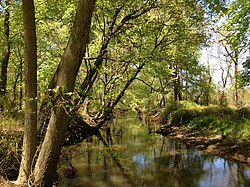
Key Facts
- Incorporation: Officially incorporated on February 21, 1798.
- Population: Estimated at 30,509 residents as of 2023.
- Geography: Covers a total area of 26.25 square miles.
- Government: Operates under a Faulkner Act Mayor-Council system.
- Notable Landmark: Home to the War of the Worlds monument in Grovers Mill.
Historical Foundations
The origins of West Windsor date back to the 17th century. The area was originally part of Piscataway Township when it was chartered on December 18, 1666, before the formation of Middlesex County in 1683. The modern township structure began to take shape in the late 18th century.
By an act of the New Jersey Legislature on February 9, 1797, West Windsor and its neighbor, East Windsor, were established by partitioning the provincial Windsor Township. They were formally incorporated on February 21, 1798, as part of the state's first group of 104 townships.
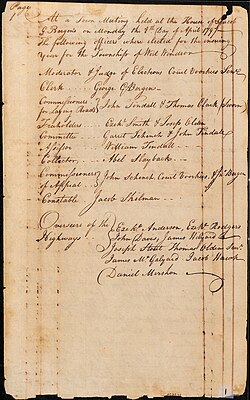
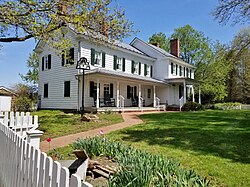
Preserving this legacy is the Historical Society of West Windsor, headquartered at the c. 1790 Schenck Farmstead, which serves as the local history museum.
Geography and Climate
West Windsor spans 26.25 square miles, with the vast majority (25.55 sq mi) being land. The township sits at an average elevation of 92 feet. Its climate is characterized by distinct seasonal shifts, with average annual precipitation of approximately 47.95 inches.
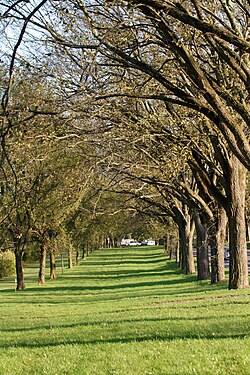
Summers can be hot, with record highs reaching 102.6°F, while winters bring significant snowfall and record lows as low as -11.2°F. This temperate environment supports a variety of local ecology and agricultural remnants, such as the historic Washington Road Elm Allée.
Demographics and Community
The population of West Windsor has seen dramatic growth over the last century. While the population hovered around 1,300 to 1,500 residents for much of the 19th century, it surged starting in the 1960s. By 2020, the population reached 29,518, with 2023 estimates placing it at 30,509.
The community is notably diverse. According to the 2000 Census, 8.31% of residents identified as being of Chinese ancestry, marking one of the highest percentages for this demographic in New Jersey for municipalities with over 1,000 such residents.
Cultural Highlights
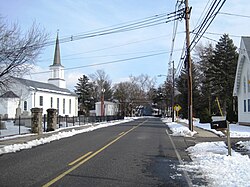
Culture in West Windsor is celebrated through community events and local landmarks. A prominent example is the Mercer County Italian-American Festival, an annual event established in 2000 that brings the community together every September.
Infrastructure and Economy
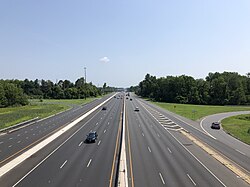
West Windsor is a critical transit point in Mercer County. The township manages a vast network of roadways, totaling over 151 miles, including major arteries like U.S. Route 1.
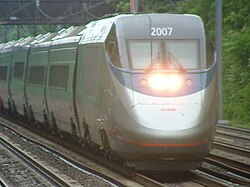
Public transportation is a cornerstone of the area, with the Acela Express and other rail services providing rapid connectivity to major East Coast cities.
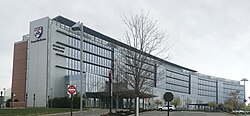
The local economy is supported by a mix of retail, healthcare, and government services. Notable facilities include the Penn Medicine Princeton Medical Center and the MarketFair retail destination, a 242,000 square foot shopping center.
Government and Education
The township is governed by a Faulkner Act Mayor-Council system, led by a Mayor and a Township Council. This structure was adopted in July 1993, replacing the previous Township Committee system.
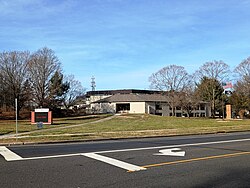
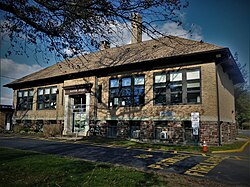
Education has long been a priority in the region. The Dutch Neck Elementary School, constructed in 1917, replaced the smaller one and two-room schoolhouses that had served the community since the mid-1700s.
Township Overview
| Category | Detail |
|---|---|
| Incorporated | February 21, 1798 |
| Total Area | 26.25 sq mi |
| 2023 Est. Population | 30,509 |
| Government Type | Faulkner Act Mayor-Council |
| ZIP Codes | 08550, 08540 |
| County | Mercer |
Notable Residents
West Windsor has been home to a wide array of influential figures across various fields:
- Science & Math: Nobel Prize-winning mathematician John Forbes Nash Jr.
- Arts & Entertainment: Actor Ethan Hawke, director Bryan Singer, and musician James Murphy (LCD Soundsystem).
- Politics & Tech: Aneesh Chopra, the first Chief Technology Officer of the United States.
- Sports: Professional athletes such as Jack Aker and Fernando Perez.
Frequently Asked Questions
When was West Windsor officially incorporated?
West Windsor was incorporated on February 21, 1798, after being established by an act of the New Jersey Legislature on February 9, 1797.
What form of government does West Windsor use?
The township uses a Faulkner Act Mayor-Council form of government, which was adopted by residents in May 1993 and implemented on July 1, 1993.
What are the primary ZIP codes for the area?
The township uses ZIP codes 08550 (Princeton Junction) and 08540 (Princeton).
How has the population changed over time?
The population remained relatively stable and low (between 1,200 and 2,200) from 1810 through 1950, but experienced rapid growth starting in 1960, reaching over 30,000 by 2023.
What is the significance of the Schenck Farmstead?
The c. 1790 Schenck Farmstead serves as the West Windsor History Museum and the headquarters for the Historical Society of West Windsor.