Weight Watchers: A Points-Based Approach to Sustainable Weight Loss
Achieving a healthy weight often feels like a complex mathematical puzzle. While many strategies focus strictly on calorie counting, Weight Watchers offers a different methodology designed to simplify food selection while promoting a medically accepted rate of weight loss. By shifting the focus from raw numbers to a structured point system, the program aims to help users lose between 0.5 and 1.0 kg per week.
How the Weight Watchers System Works
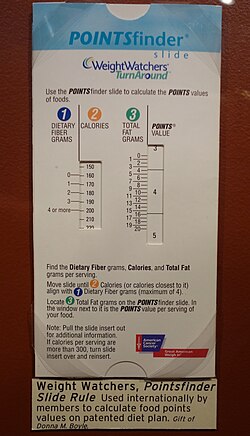
Unlike traditional diets that require meticulous calorie tracking, Weight Watchers utilizes a system called SmartPoints. This system assigns a point value to food based on its energy density (calories per gram) and nutrient density (the amount of beneficial nutrients relative to calories). In this system, one point is equivalent to 50 calories.
The SmartPoints system serves two primary purposes: it acts as a quality scale and a quantity limit. Foods with low point values—such as lean proteins, legumes, and high-fiber carbohydrates—can be eaten more frequently and in larger portions. Conversely, foods with high point values must be consumed sparingly or avoided entirely to stay within daily limits.
To encourage the consumption of nutrient-dense foods, most fruits and vegetables are designated as "free," meaning they have a zero-point value and can be eaten at will.
Dietary Composition and Variants
The nutritional makeup of the Weight Watchers approach is flexible. Depending on the specific variant a user follows, the dietary composition may resemble a low-fat diet or a moderate-fat, low-carbohydrate diet. This flexibility allows the program to adapt to different nutritional preferences while maintaining the core goal of energy restriction.
Meal Replacements
To further simplify the process, the parent company provides meal replacements. These "plug-in" meals are designed for instant consumption, replacing traditional meals. Weight Watchers claims these replacements can outperform standard calorie-controlled diets because they reduce the need for complex decision-making and cooking skills, thereby minimizing the margin for error.
A Holistic Approach to Lifestyle Change
Weight Watchers positions itself as more than just a meal plan; it is a comprehensive lifestyle change. To complement dietary restrictions, the program recommends regular physical activity, aligning with US national health recommendations established in 2013.
Beyond nutrition and exercise, the program integrates several layers of psychological and social support, including:
- Weekly or monthly counseling meetings.
- Defined calorie targets.
- Online support communities.
It is worth noting that while online support is a staple of the program, its effectiveness for children—particularly via social media—has shown mixed results.
Key Facts
- Target Weight Loss: 0.5 to 1.0 kg per week.
- Point Conversion: 1 SmartPoint equals 50 calories.
- Zero-Point Foods: Most fruits and vegetables.
- Core Focus: Nutrient and energy density rather than simple calorie counting.
- Support Systems: Includes counseling, online communities, and meal replacements.
| Feature | Details |
|---|---|
| Primary Metric | SmartPoints (1 point = 50 cal) |
| Weight Loss Goal | 0.5 - 1.0 kg per week |
| Dietary Style | Low-fat or moderate-fat/low-carb variants |
| "Free" Foods | Most fruits and vegetables |
| Support Methods | Meetings, online support, and counseling |
Frequently Asked Questions
What is a SmartPoint?
A SmartPoint is a unit of measurement used by Weight Watchers to simplify food selection. It is calculated based on the nutrient and energy density of a food item, with one point representing 50 calories.
How much weight can I expect to lose per week?
The program is designed to achieve a weight loss of 0.5 to 1.0 kg per week, which is considered a viable and medically accepted standard for sustainable weight loss.
Are there any foods I can eat without counting points?
Yes, most fruits and vegetables are considered "free" foods, meaning they have a zero-point value and can be consumed at will.
Do I have to exercise to see results?
While the diet focuses on energy restriction, Weight Watchers recommends regular physical activity as part of a broader lifestyle change, mirroring US national recommendations.
What are the benefits of using meal replacements?
Meal replacements are intended to reduce the margin for error by eliminating the need for constant decision-making and advanced cooking skills, which the company claims can lead to better performance than standard calorie-controlled diets.