Washington, D.C. Public Art by Ward
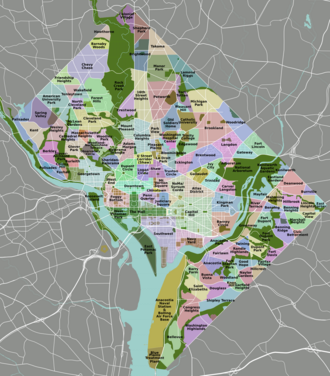
Washington, D.C. is more than just a center of political power; it is a sprawling open-air gallery. From the monumental sculptures of the National Mall to the vibrant murals in local neighborhoods, public art is woven into the fabric of the city. To better navigate these artistic treasures, the city is organized into wards—administrative districts that encompass various neighborhoods and cultural hubs.
Whether you are a resident or a visitor, understanding the distribution of art across these wards allows for a more comprehensive exploration of the District's creative landscape.
Key Facts
- Public art in Washington, D.C. is distributed across eight distinct administrative wards.
- Ward 2 contains the city's most famous cultural landmarks, including the National Mall and Smithsonian museums.
- Artistic installations span a diverse range of environments, from university campuses to residential neighborhoods.
- The city's art scene extends from the urban core of Downtown to the residential areas of Anacostia and Deanwood.
Public Art Distribution Across the Wards
The city's public art is strategically spread across its geography, reflecting the unique identity of each ward.
The Central and Cultural Hubs
Ward 2 serves as the primary cultural epicenter, housing the National Mall and the Smithsonian museums, alongside neighborhoods like Downtown, Dupont Circle, Foggy Bottom, Georgetown, and portions of Shaw. Similarly, Ward 6 focuses on the civic heart of the city, featuring art in Capitol Hill, Chinatown, Judiciary Square, Union Station, Penn Quarter, and the Southwest area.
Northwest and Northern Districts
In the northwest, Ward 1 showcases art in the eclectic Adams Morgan, Columbia Heights, Howard University, and the U Street Corridor. Ward 3 encompasses the greenery and academic atmosphere of Cleveland Park, American University, and parts of Woodley Park and Chevy Chase. Further north, Ward 4 includes Brightwood, Fort Totten, Petworth, Takoma, and additional sections of Chevy Chase.
Eastern and Southeastern Regions
Ward 5 blends nature and academia, with art found in Brookland, Trinidad, Catholic University, the National Arboretum, and parts of Fort Totten. Moving further east, Ward 7 features installations in Benning, Deanwood, and Naylor Gardens, while Ward 8 highlights the creative spirit of Anacostia and Congress Heights.
Summary of DC Art Locations
| Ward | Key Neighborhoods and Cultural Areas |
|---|---|
| Ward 1 | Adams Morgan, Columbia Heights, Howard University, U Street Corridor |
| Ward 2 | Downtown, Dupont Circle, Foggy Bottom, Georgetown, Shaw, National Mall, Smithsonian museums |
| Ward 3 | Cleveland Park, American University, Woodley Park, Chevy Chase |
| Ward 4 | Brightwood, Fort Totten, Petworth, Takoma, Chevy Chase |
| Ward 5 | Brookland, Trinidad, Catholic University, National Arboretum, Fort Totten |
| Ward 6 | Capitol Hill, Chinatown, Judiciary Square, Union Station, Penn Quarter, Southwest area |
| Ward 7 | Benning, Deanwood, Naylor Gardens |
| Ward 8 | Anacostia, Congress Heights |
Frequently Asked Questions
Which ward contains the most famous museums and monuments?
Ward 2 is the primary location for the city's most famous cultural sites, including the Smithsonian museums and the National Mall.
Where can I find public art near the U Street Corridor?
Art in the U Street Corridor is located within Ward 1.
Which ward includes the National Arboretum?
The National Arboretum is located within Ward 5.
In which ward are Anacostia and Congress Heights located?
Both Anacostia and Congress Heights are situated in Ward 8.
Does Ward 6 include the Capitol Hill area?
Yes, Ward 6 encompasses Capitol Hill, as well as Union Station and Chinatown.