The Presidency of Warren G. Harding: A Legacy of Normalcy and Scandal
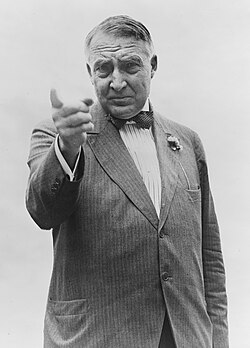
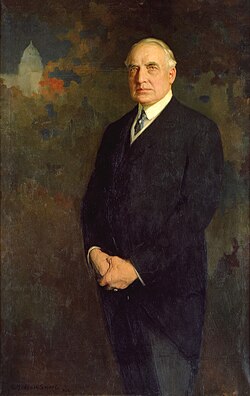
Warren Gamaliel Harding served as the 29th President of the United States from 1921 until his sudden death in 1923. A member of the Republican Party, Harding rose to prominence through a career in journalism and Ohio politics, eventually capturing the nation's imagination with a promise of a "return to normalcy" following the upheaval of World War I.
While he was one of the most popular presidents at the time of his passing, his historical reputation underwent a dramatic shift. Following his death, a series of high-profile scandals involving his administration emerged, casting a long shadow over his legislative and foreign policy achievements.
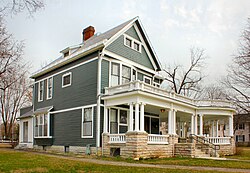
Key Facts
- Term of Office: March 4, 1921 – August 2, 1923
- Political Party: Republican
- Preceded By: Woodrow Wilson
- Succeeded By: Calvin Coolidge
- Major Achievement: The Washington Naval Conference (1921–1922)
- Cause of Death: Heart attack in San Francisco
Early Life and Political Ascent
Born on November 2, 1865, Harding was deeply rooted in his community. He joined the Free Baptist Church in Marion, Ohio, where he eventually served as a trustee for 25 years. His professional journey began in journalism, where he worked as an editor, a role that provided him with a platform to enter the political arena.
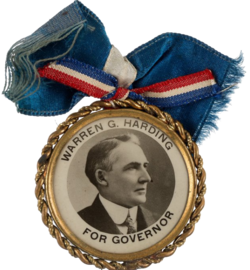
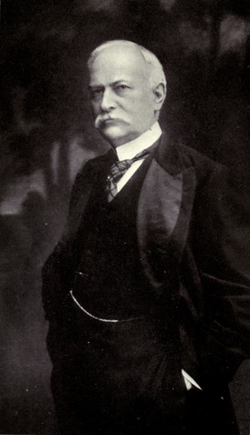
Harding’s political career was defined by his loyalty to the Republican Party. He began his ascent by supporting Joseph B. Foraker in his successful 1885 bid for governor. Over the following decades, Harding climbed the ranks of Ohio politics, serving as a member of the Ohio Senate, the 28th Lieutenant Governor of Ohio, and eventually a United States Senator from 1915 to 1921.
The Election of 1920
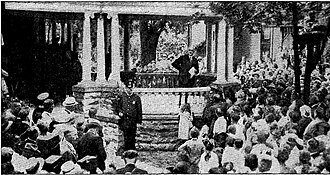
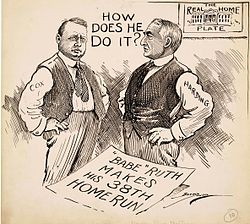
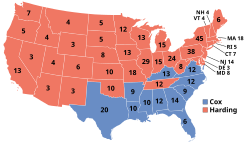
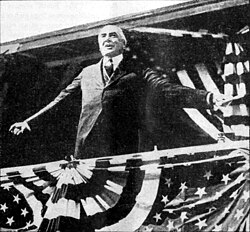
Harding's path to the presidency was marked by a highly competitive Republican National Convention. After a deadlock involving several candidates, Harding secured the nomination. In the general election, he achieved a landslide victory, receiving 60.2 percent of the popular vote—the highest percentage since the evolution of the two-party system.
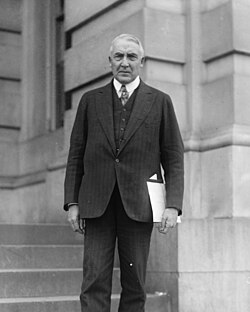
The Harding Administration
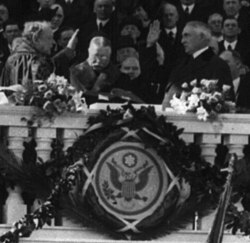
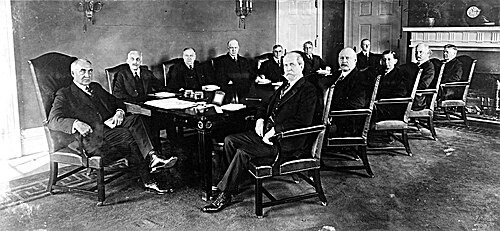
Upon taking office, Harding assembled a cabinet featuring several distinguished figures. His administration focused on post-war recovery and navigating the transition into a new era of technology and international diplomacy.
Foreign Policy and Disarmament
One of the most significant successes of the Harding administration was the Washington Naval Conference of 1921–1922. During this summit, the world's major naval powers agreed to a naval limitations program that remained in effect for a decade, promoting international stability through disarmament.
Domestic Policy and Technology
Domestically, Harding's administration dealt with the complexities of a post-war economy. This included managing labor tensions, such as the 1922 railroad strike, and overseeing the early regulation of new technologies. Harding urged the regulation of radio broadcasting, a project led by Commerce Secretary Herbert Hoover, which eventually paved the way for formal federal regulation.
The Cabinet of 1921
Harding's cabinet included several men who would become household names, though some would later become central to the administration's controversies.
| Office | Name | Term |
|---|---|---|
| Vice President | Calvin Coolidge | 1921–1923 |
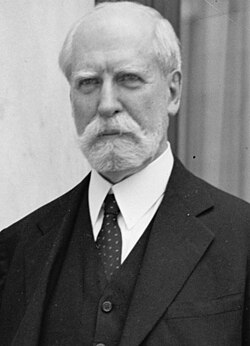
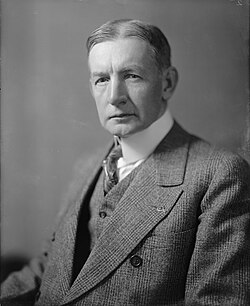
| Secretary of State | Charles Evans Hughes | 1921–1923 |
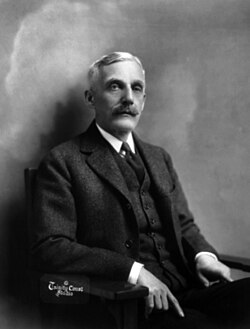
| Secretary of the Treasury | Andrew Mellon | 1921–1923 |
| Secretary of Commerce | Herbert Hoover | 1921–1923 |
| Attorney General | Harry M. Daugherty | 1921–1923 |
| Secretary of the Interior | Albert B. Fall | 1921–1923 |
Scandals and Controversy
While Harding's presidency saw moments of significant achievement, it was ultimately overshadowed by corruption within his administration. Many of these scandals only became public after his death.
The Veterans' Bureau and Teapot Dome
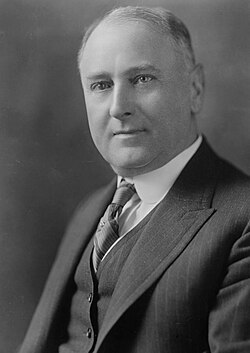
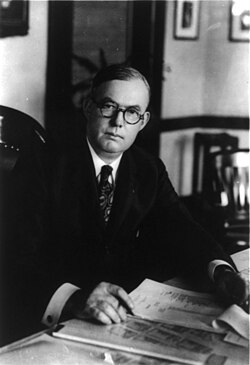
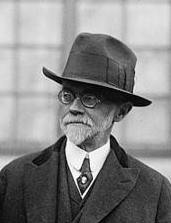
The Veterans' Bureau scandal involved Charles R. Forbes, the director of the bureau, who was later convicted of conspiracy to defraud the government. Additionally, the administration was marred by the Teapot Dome scandal and issues within the Justice Department involving Attorney General Harry M. Daugherty.
Death and Legacy
In July 1923, while on a tour of the American West, Warren G. Harding suffered a fatal heart attack in San Francisco. He was 57 years old. He was succeeded by his Vice President, Calvin Coolidge.
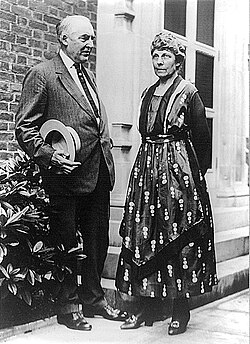
The legacy of Warren G. Harding remains a subject of historical debate. While his administration faced significant corruption, historians continue to reassess his impact on foreign policy and his role in the transition of the United States into the modern era.
Frequently Asked Questions
What was the "return to normalcy" promised by Harding?
Harding campaigned on a platform of returning the United States to a state of stability and traditional values following the intense social and political shifts caused by World War I.
Who succeeded Warren G. Harding?
Vice President Calvin Coolidge succeeded Harding after the President's death in August 1923.
What was the Washington Naval Conference?
It was a major foreign policy achievement of the Harding administration (1921–1922) where major naval powers agreed to a program of naval limitations to promote peace.
Which cabinet members were involved in scandals?
Several members were implicated, including Secretary of the Interior Albert B. Fall and Veterans' Bureau director Charles R. Forbes, who was convicted of defrauding the government.
How did Harding handle political prisoners?
Harding commuted the sentence of Socialist Eugene Debs, who had been imprisoned for opposing World War I, once the official peace treaties had been signed.