Visa: The Evolution of a Global Payment Giant
In the modern economy, few brands are as ubiquitous as Visa. From small street vendors to massive retail chains, the blue and gold logo represents a global infrastructure that facilitates billions of transactions. What began as a localized experiment in California has transformed into a public powerhouse that defines how the world moves money.
Key Facts
- Founded: September 18, 1958, as BankAmericard in Fresno, California.
- Current Leadership: Ryan McInerney serves as CEO.
- Financial Scale: Reported revenue of US$ 40.00 billion for 2025.
- Global Reach: Operates worldwide, with a significant presence in both the US and international markets.
- Workforce: Employs 34,100 people as of 2025.
The Journey from BankAmericard to Visa
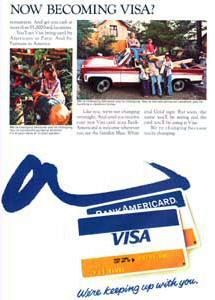
The origins of the company date back to 1958, when it was established by the Bank of America under the name BankAmericard. This early iteration laid the groundwork for the modern credit system. By 1976, the organization transitioned to the name we recognize today: Visa, a move spearheaded by founder Dee Hock to create a more universal and inclusive brand.
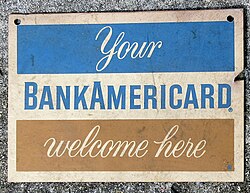
This rebranding was not merely cosmetic; it signaled a shift toward a global payment network. Over the decades, the company's visual identity has evolved through several logo iterations to keep pace with digital trends, moving from the classic designs of the 1990s to the streamlined look adopted in July 2021.
Corporate Structure and Financial Performance
Visa is a public company traded on the New York Stock Exchange (NYSE: V) and is a prominent component of the DJIA, S&P 100, and S&P 500. While its de facto headquarters is located in San Francisco, the company maintains a vast global footprint.

The company's financial growth has been aggressive. Between 2005 and 2024, revenue climbed from approximately US$ 2.6 billion to over US$ 35.9 billion. A significant portion of this growth is driven by international markets, which now account for more than half of the company's sales.
| Metric | Value (USD) |
|---|---|
| Total Revenue | $40.00 Billion |
| Operating Income | $23.99 Billion |
| Net Income | $20.06 Billion |
| Total Assets | $99.63 Billion |
| US Market Share (Sales) | 43.3% ($14.1B) |
| International Market Share (Sales) | 56.7% ($18.5B) |
Product Ecosystem and Innovation
Visa provides a diverse array of payment tools through its issuing members. These are primarily categorized into three types of cards: Credit cards (monthly payments), Debit cards (direct withdrawal from checking/savings), and Prepaid cards (funded cash accounts without check privileges).
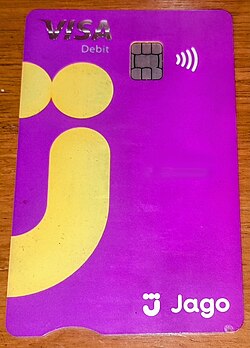
The company has expanded its offerings to include high-tier credit levels such as Gold, Platinum, Signature, and Infinite. To combat fraud and enhance security, Visa utilizes advanced technology, including the hologram—a three-dimensional security image that is difficult to counterfeit.

Innovation continues with the introduction of Visa Contactless (payWave), mVisa, and explorations into digital currencies and cryptocurrency payment settlements. These advancements aim to reduce friction in the payment process and adapt to the rise of fintech.
Strategic Partnerships and Public Presence
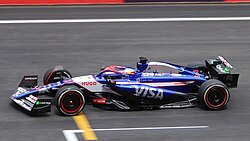
Beyond financial services, Visa maintains a high public profile through strategic sponsorships. The company has a long-standing partnership with the Olympics and Paralympics, extending through 2032. It has also ventured into high-performance sports and gaming, including the Visa Cash App RB Formula One Team and previous sponsorships of esports teams like SK Gaming.
Challenges and Regulatory Scrutiny
Growth on this scale often brings legal challenges. Visa has faced numerous antitrust lawsuits and regulatory investigations globally. In the United States, these have centered on debit card swipe fees and disputes with major retailers like Walmart and Kroger over high credit card fees. Internationally, the company has dealt with anti-competitive conduct investigations in Australia and scheme fee inquiries from the European Commission.
One notable strategic setback was the failed acquisition of the fintech firm Plaid. Despite a $5.3 billion agreement, the deal was scrapped following a lawsuit from the U.S. Justice Department on antitrust grounds.
Frequently Asked Questions
What is the difference between Visa and BankAmericard?
BankAmericard was the original name of the service founded by Bank of America in 1958. In 1976, it was rebranded as Visa to create a more universal, global identity.
How does Visa make money?
Visa operates as a payment card services company, generating revenue through transaction fees, service fees, and other value-added services provided to its issuing members and merchants.
What are the different tiers of Visa credit cards?
Visa offers several tiers based on benefits and requirements, including Traditional/Classic, Gold, Platinum, Signature, and Infinite, with some regions offering specialized versions like Premier or Infinite Privilege.
Does Visa issue cards directly to consumers?
No, Visa does not issue cards. It provides the network and payment systems; the actual cards are issued by member financial institutions (banks or credit unions).
What is Visa Contactless technology?
Also known as Visa payWave, this technology allows users to make payments by tapping their card or device near a compatible terminal, removing the need to swipe or insert the card.