Villa Ballester: The History and Origins of the Town
The development of Villa Ballester is a classic example of late 19th-century urban expansion, where family land and strategic transportation converged to create a thriving community. The town's foundation was rooted in the vision of a single individual and the logistical advantages of the burgeoning railway system.
The Vision of Pedro Ballester
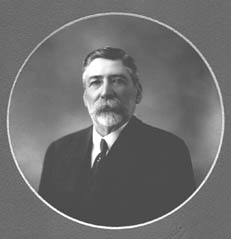
The town's origins date back to the late 1880s, when Pedro Ballester (1849–1928) began developing land owned by his family. This area was originally a chacra—a small-to-medium sized farm typical of the region—known as the Miguel Ballester y Flotat estate.
Strategic Growth and the Railway
While land availability was essential, the primary catalyst for the town's success was the arrival of the train. The railway provided fast, reliable access to the capital city of Buenos Aires, transforming the rural fields into an attractive location for settlement and commerce.
The town's official name reflects its commercial roots. It was named after the Sociedad Villa Ballester, a business partnership formed between Pedro Ballester and Guillermo Lacroze.
Key Facts
- Founder: Pedro Ballester (December 4, 1849 – September 5, 1928).
- Timeline: Development began in the late 1880s.
- Original Land: The chacra Miguel Ballester y Flotat.
- Growth Driver: Rapid rail access to Buenos Aires.
- Naming Origin: The commercial partnership "Sociedad Villa Ballester" between Pedro Ballester and Guillermo Lacroze.
| Category | Details |
|---|---|
| Founder | Pedro Ballester |
| Start Date | Late 1880s |
| Original Site | Chacra Miguel Ballester y Flotat |
| Key Partner | Guillermo Lacroze |
| Primary Infrastructure | Railway connection to Buenos Aires |
Frequently Asked Questions
Who founded Villa Ballester?
The town was developed by Pedro Ballester, who began the process in the late 1880s using his family's land.
What was the original name of the land where the town was built?
The town was established on the chacra (farm) known as Miguel Ballester y Flotat.
Why was the railway important to the town's success?
The train provided fast access to Buenos Aires, which was a key factor in attracting residents and enabling the town's growth.
How did the town get its name?
It was named after the "Sociedad Villa Ballester," which was the commercial partnership between Pedro Ballester and Guillermo Lacroze.
When did Pedro Ballester live?
Pedro Ballester was born on December 4, 1849, and passed away on September 5, 1928.