Vermont: The Green Mountain State's Rich History and Natural Beauty
Nestled in the New England region of the United States, Vermont is a state defined by its rugged landscapes, deep-rooted history, and unique cultural identity. Known affectionately as "The Green Mountain State," Vermont offers a blend of breathtaking natural scenery—from the peaks of the Green Mountains to the shores of Lake Champlain—and a political heritage built on principles of freedom and unity.
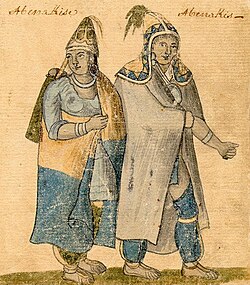
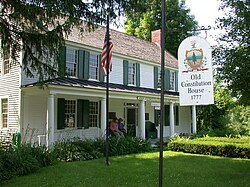
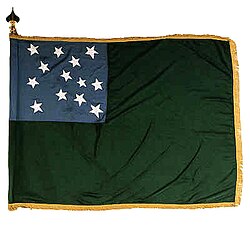
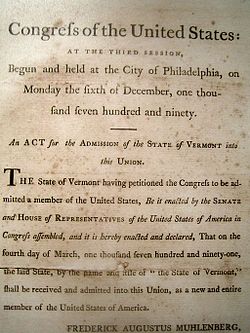
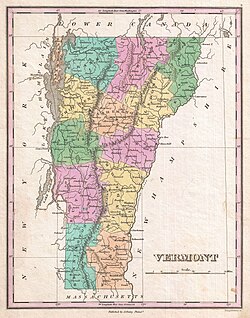
The story of Vermont is one of independence. Before becoming the 14th state admitted to the Union on March 4, 1791, the region existed as the independent Vermont Republic. This history of self-governance is a cornerstone of the state's identity, reflected in its motto, "Freedom and Unity," and its historical struggle for sovereignty.
Key Facts
- Nickname: The Green Mountain State
- Capital: Montpelier
- Largest City: Burlington
- Admitted to Union: March 4, 1791
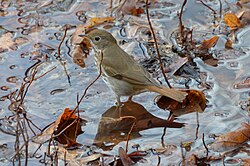
- State Bird: Hermit thrush
- Highest Point: Mount Mansfield (4,400 ft)
Geography and Climate
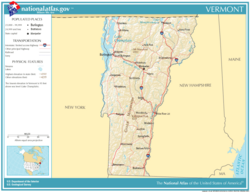
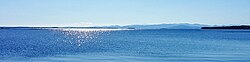
Vermont's landscape is characterized by diverse elevations and significant water features. The state covers a total area of approximately 9,623 square miles, with about 4.2% of that area consisting of water. The highest elevation is found at Mount Mansfield, while the lowest point is located at Lake Champlain.
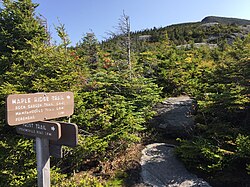
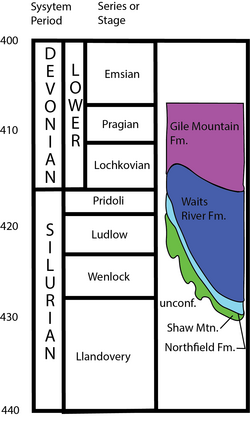
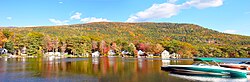
The state's topography includes iconic landmarks such as Camel's Hump and the scenic vistas of Lake Willoughby. The geography is further defined by its various geological layers, including Silurian and Devonian stratigraphy, which have shaped the mountains and valleys over millions of years.
![Western face of Camel's Hump Mountain (elevation 4,079 feet; 1,243 m)[66]](/images/1e/57/1e57f9400a030c8e3f6da7d93a2e7eaaacc4775e63f39ff1a6ddb3c0e894ac5e.jpg)
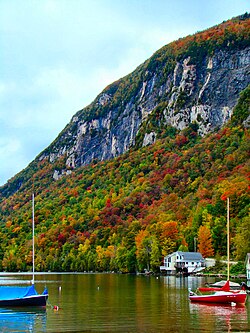
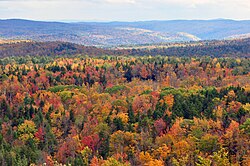
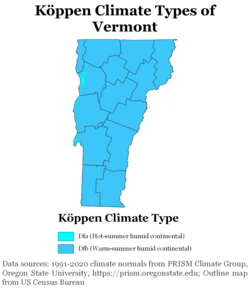
Climate plays a vital role in the Vermont experience. The state experiences distinct seasonal changes, most notably the vibrant fall foliage that draws visitors from around the world to locations like Hogback Mountain and Lake Willoughby.
Demographics and Society
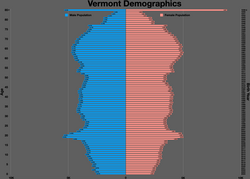
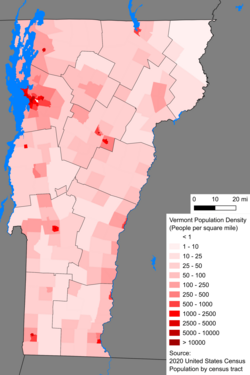
As of 2025 estimates, Vermont has a population of approximately 644,663 residents. The state is characterized by a relatively low population density of about 70 people per square mile. While English is the primary language spoken by over 94% of the population, there is also a notable French-speaking community.
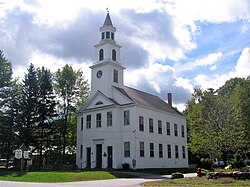
The social fabric of Vermont is marked by a high rate of volunteerism and a strong sense of community. Many towns maintain the tradition of the town meeting, a form of direct democracy where residents gather to approve budgets and decide local matters.
Economically, the state has a median household income of $81,200 (as of 2023), ranking it 17th nationally. The economy is supported by various sectors, including agriculture, manufacturing, and recreation.
Government and Politics
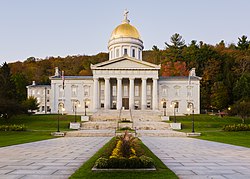
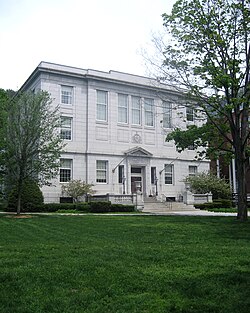
Vermont operates under a government structure consisting of a Governor, a Lieutenant Governor, and a General Assembly made up of a Senate and a House of Representatives. The state's judicial branch is headed by the Vermont Supreme Court.
The state's political landscape is represented in Washington D.C. by its U.S. Senators and its U.S. House delegation. Notable political figures have long been part of the state's identity, contributing to its unique political voice in the United States.

State Symbols and Nature
Vermont celebrates its natural heritage through a variety of official state symbols. These include the Hermit thrush as the state bird, the sugar maple as the state tree, and the Morgan horse as the state mammal. The state's flora and fauna are diverse, ranging from the northern leopard frog to the red clover.
The state's geological history is also reflected in its minerals and rocks, such as granite, marble, and slate, which are integral to the region's physical character.
Summary of Vermont Statistics
| Category | Detail |
|---|---|
| Total Area | 9,623 sq mi |
| Highest Elevation | 4,400 ft (Mount Mansfield) |
| Lowest Elevation | 95 ft (Lake Champlain) |
| Population (2025 est.) | 644,663 |
| Median Household Income | $81,200 |
Frequently Asked Questions
What is the capital of Vermont?
The capital city of Vermont is Montpelier.
When did Vermont become a state?
Vermont was admitted to the Union on March 4, 1791, making it the 14th state.
What is the highest point in Vermont?
The highest elevation in the state is found at Mount Mansfield, reaching 4,400 feet.
What are the main industries in Vermont?
While the economy is diverse, key sectors include agriculture, manufacturing, and recreation.
What is the state bird of Vermont?
The official state bird of Vermont is the hermit thrush.