Vegetables: From Botanical Origins to Global Nutrition
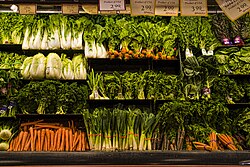
Vegetables are essential components of the human diet, providing a vast array of nutrients necessary for health and well-being. While the term is used broadly in everyday conversation, it carries distinct meanings depending on whether you are speaking to a chef or a botanist. From the wild foraging of our ancestors to the massive agribusinesses of the modern era, the story of vegetables is one of human ingenuity and global connection.
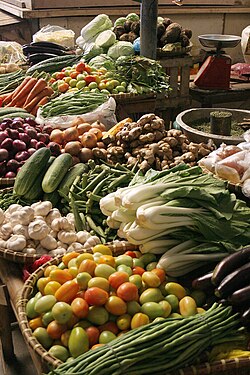
In a general sense, vegetables refer to any edible part of a plant consumed by humans or animals. This includes a diverse range of plant structures such as leaves, stems, roots, seeds, and flowers. However, culinary traditions often apply the term more selectively, frequently including savory items like tomatoes and squash while excluding cereal grains or nuts.
Key Facts
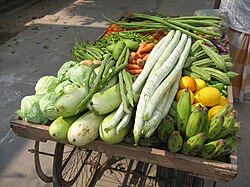
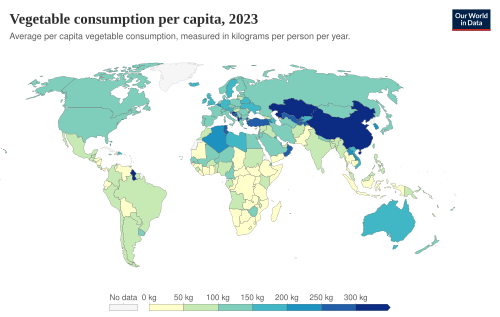
- China is the world's largest producer of vegetables.
- Botanically, many "vegetables" like tomatoes and peppers are actually fruits.
- Vegetables are typically low in fat and carbohydrates but high in vitamins, minerals, and dietary fiber.
- The transition from foraging to cultivation likely occurred between 10,000 BC and 7,000 BC.
- International standards for vegetable storage and nomenclature are maintained by the ISO.
The Science of Terminology: Fruit vs. Vegetable
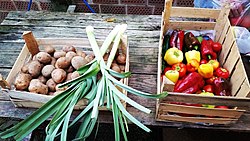
One of the most common points of confusion is the distinction between a fruit and a vegetable. In botany, a fruit is specifically the part of a flowering plant that develops from the ovary. Because of this precise definition, many items we treat as vegetables in the kitchen—such as eggplants, bell peppers, and cucumbers—are technically fruits.
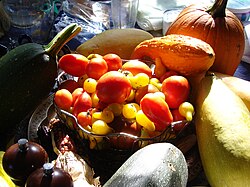
This distinction is not just academic; it has even reached the highest levels of law. In the 1893 United States Supreme Court case Nix v. Hedden, the court ruled that for the purposes of import taxes, the tomato should be classified as a vegetable, even while acknowledging its botanical status as a fruit.
A History of Cultivation
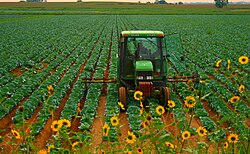
Before the dawn of agriculture, humans relied on hunting and gathering, foraging for wild tubers, leaves, and fruits. The shift toward organized agriculture is believed to have begun with "forest gardening," where early humans identified useful species and encouraged their growth while removing undesirable ones. This process eventually led to plant breeding, where specific traits like larger fruit or more vigorous growth were selected.
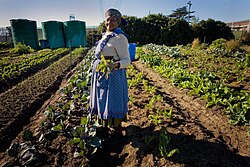
While the domestication of grasses like wheat and barley is famously linked to the Fertile Crescent, evidence suggests that various cultures around the world began cultivating crops independently between 10,000 BC and 7,000 BC. Today, production ranges from small-scale subsistence farming—where families grow enough to eat and trade the surplus—to massive industrial agribusinesses.
Global Production and Varieties
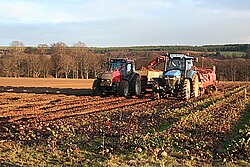
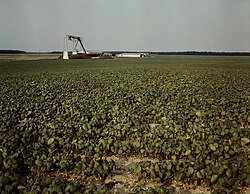
Modern vegetable production is a global enterprise. While many crops are grown locally, international trade allows consumers to access exotic varieties year-round. China leads the world in production, followed by nations such as India and the United States. Production methods vary significantly, from sun-drying in Greece to high-tech protected environments in less suitable climates.

Common Vegetable Species and Origins
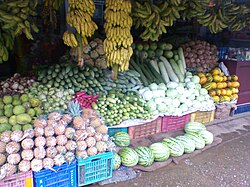
The diversity of vegetables is immense, spanning different plant parts and geographical origins. Below is a summary of several widely consumed species:
| Species | Parts Used | Origin | World Production (2018, x10 tons) |
|---|---|---|---|
| Solanum tuberosum (Potato) | Tubers | South America | 368.1 |
| Solanum lycopersicum (Tomato) | Fruits | South America | 182.2 |
| Allium cepa (Onion) | Bulbs, leaves | Asia | 102.2 |
| Ipomoea batatas (Sweet potato) | Tubers, leaves | Central/South America | 91.9 |
| Cucumis sativus (Cucumber) | Fruits | Southern Asia | 75.2 |
| Brassica oleracea (Cabbage/Broccoli) | Leaves, stems, buds | Europe | 69.4 |
Nutrition and Health Benefits
Vegetables are nutritional powerhouses. They are generally low in calories and fat, making them a filling food source. They are particularly rich in antioxidant vitamins such as A, C, and E, as well as essential minerals and dietary fiber. Consuming a diet rich in vegetables is linked to a reduced risk of chronic ailments, including cardiovascular disease, stroke, and certain types of cancer.
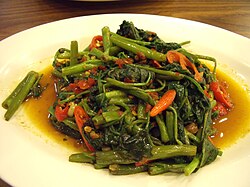
Health organizations often provide specific daily recommendations. For instance, Japan and France recommend five to six servings of vegetables per day, while India suggests an intake of approximately 275 grams for adults. Because many vegetables are eaten raw, it is vital to practice proper hygiene to prevent contamination from microbes like norovirus.
Preservation and Storage
To maintain quality and prevent spoilage, several preservation methods are used. Freezing is a common technique; maintaining temperatures below −18 °C (0 °F) is required for long-term storage. Before freezing, many vegetables undergo blanching—a brief heating process that inhibits enzyme action and prevents off-flavors from developing.
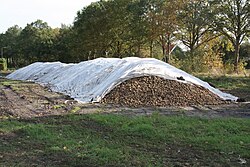
Other methods include irradiation, which uses ionizing radiation to protect produce from microbial infection and insect damage without significantly altering its properties. Proper storage and transport are further standardized by the International Organization for Standardization (ISO) to ensure global food safety and reliability.
Frequently Asked Questions
Is a tomato a fruit or a vegetable?
Botanically, a tomato is a fruit because it develops from the ovary of a flowering plant. However, in culinary and legal contexts, it is commonly classified as a vegetable.
Why are vegetables important for health?
Vegetables provide essential vitamins (like A, C, and E), minerals, and dietary fiber while being low in fat and calories. High consumption is linked to a lower risk of heart disease and stroke.
How can I prevent vegetables from spoiling?
For long-term storage, freezing at −18 °C (0 °F) is effective. Blanching vegetables before freezing can also help prevent unpleasant flavors caused by enzyme activity.
Which country produces the most vegetables?
China is the world's largest producer of vegetables, accounting for a significant portion of global production.
What is the difference between subsistence and agribusiness?
Subsistence agriculture involves farmers growing food primarily to feed their own families, whereas agribusiness refers to large-scale commercial operations focused on high-volume production and marketing.