Veal Production: Types, Culinary Uses, and Animal Welfare Standards
Veal is a specific type of meat derived from young calves, distinguishing it from the beef produced from older cattle. While veal can come from calves of any breed or sex, the industry primarily utilizes young male calves from dairy breeds that are not suitable for breeding. This production method serves a dual purpose: it adds value to dairy bull calves and utilizes whey solids, a byproduct of cheese manufacturing.
Because veal is often more expensive by mass than standard beef, it is frequently treated as a premium product in culinary applications. However, the methods used to raise these animals have become a central point of debate regarding animal welfare and ethics.

Key Facts
- Primary Source: Most veal comes from young male dairy calves.
- Dietary Impact: The type of feed (milk vs. grain) significantly affects the meat's color and texture.
- Regulatory Landscape: Many regions, including the EU, have banned restrictive veal crates.
- Nutritional Profile: Veal is a source of protein, iron, zinc, and B vitamins.
- Industry Shift: There is a growing demand for free-raised veal in the United States.
Understanding the Different Types of Veal
Terminology for veal can vary significantly depending on the country and the specific rearing methods employed. The primary distinctions lie in the age of the calf and its nutritional intake.
Bob Veal
Bob veal refers to calves slaughtered at a very early age, ranging from as young as 2 hours to a maximum of 1 month old. These carcasses typically weigh between 9 and 27 kilograms (20–60 pounds).
Formula-Fed (Milk-Fed) Veal
Often referred to as "white" or "special-fed" veal, these calves are raised on a diet of fortified milk formula supplemented with solid feed. In the United States, this is the most common type of veal produced. The resulting meat is characterized by an ivory or creamy pink color and a fine, velvety texture. In Canada, these calves are usually slaughtered at 20 to 24 weeks of age.

Non-Formula-Fed (Grain-Fed) Veal
Also known as "red" veal, these calves consume grain, hay, or other solid foods in addition to milk. This diet results in darker meat with more visible marbling and fat. In Canada, this stream is often marketed simply as "calf" rather than veal. These animals are typically slaughtered at 22 to 26 weeks of age.
Young Beef (Rose Veal)
In Europe, and specifically the UK as "rose veal," this refers to calves raised under specific welfare programs, such as the RSPCA's Freedom Food programme. These calves are slaughtered later, around 35 weeks of age, which gives the meat a distinct pink color.

Production and Animal Welfare Concerns
Successful veal production requires a comprehensive health program managed by a farm veterinarian, ensuring calves have access to adequate nutrition, water, and safe environments. However, historical production methods have faced intense scrutiny.
The Controversy of Veal Crates
Veal crates are close-confinement systems where calves are housed individually in spaces approximately 66–76 cm (2 ft 2 in – 2 ft 6 in) wide. Historically, these crates often prevented physical or even visual contact with other calves. Some systems even utilized tethers to restrict movement, based on the belief that limiting exercise would prevent the meat from becoming too red or tough.

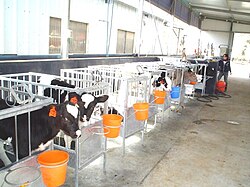
Critics argue that these conditions lead to several welfare issues:
- Abnormal Behaviors: Deprived environments can lead to "oral stereotypies," such as licking or biting inanimate objects. Research shows "purposeless oral activity" occurs in 15% of crated calves compared to only 2–3% in group-housed calves.
- Health Risks: To achieve a specific pale meat color, iron intake was sometimes restricted. This can lead to low hemoglobin levels, increasing disease susceptibility and immunosuppression.
- Social Deprivation: Calves are naturally social animals that typically suckle multiple times a day; crates prevent these essential social interactions.

Regulatory Changes and Bans
Due to welfare concerns, many jurisdictions have implemented strict regulations or outright bans on restrictive confinement.
EuropeThe European Union banned veal crates in January 2007. In the UK, the transport of calves in close-confinement crates was banned as early as 1990. Some countries, like Finland, have even effectively banned veal production through strict animal welfare laws regarding nutrition and care.
United StatesThe industry has seen a significant shift. In 2007, the American Veal Association encouraged the phase-out of tethered crates, a goal met by all milk-fed veal farmers by 2017. Currently, several states have active bans on tethering or crates, including Arizona, California, Colorado, Kentucky, Maine, Michigan, Ohio, and Rhode Island.

Nutritional Profile and Health Considerations
As a red meat, veal provides essential nutrients including protein, iron, zinc, and B vitamins (B1, B2, B6, and B12). However, health organizations advise moderation.
The International Agency for Research on Cancer (IARC) notes that unprocessed red meat is a probable cause of cancer, particularly colorectal cancer. Additionally, studies have linked red meat consumption to higher risks of type 2 diabetes and cardiovascular disease. The World Cancer Research Fund suggests limiting red meat intake to no more than three servings per week.
Summary of Veal Types
| Type | Primary Diet | Meat Color | Typical Age/Weight (Canada) |
|---|---|---|---|
| Milk-Fed (White) | Fortified milk formula | Ivory / Creamy pink | 20–24 weeks / 200–230 kg |
| Grain-Fed (Red) | Grain, hay, and milk | Darker with marbling | 22–26 weeks / 290–320 kg |
| Bob Veal | Varies | Varies | Up to 1 month / 9–27 kg |

Frequently Asked Questions
What is the difference between veal and beef?
The primary difference is the age of the animal. Veal comes from young calves, whereas beef is produced from older cattle.
Why is milk-fed veal meat so pale?
The pale color is a result of the specific diet (milk formula) and the regulation of iron intake, which prevents the meat from turning a darker red.
Are hormones used in veal production in the US?
No. USDA regulations do not permit the use of hormones on veal calves for any reason, though antibiotics may be used to treat or prevent disease.
What are the welfare benefits of group housing?
Group housing allows for social interaction and reduces abnormal behaviors, such as oral stereotypies, which are much more common in individual crate systems.
Is veal considered a healthy meat?
Veal is a good source of protein and essential vitamins, but health experts recommend limiting red meat consumption due to potential links to cardiovascular disease and certain cancers.