Utah: The Beehive State
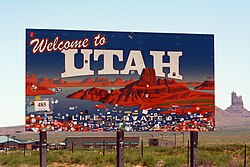
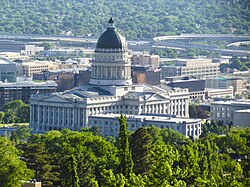
Known as the Beehive State, Utah is a land of stark contrasts, where towering mountain peaks meet vast, red-rock deserts. From its unique spiritual foundations to its modern role as a global hub for technology and outdoor recreation, Utah offers a compelling blend of tradition and innovation. With its capital, Salt Lake City, serving as a central urban anchor, the state has grown from a remote pioneer settlement into a thriving economic powerhouse.
Key Facts
- Official Nickname: Beehive State
- Capital: Salt Lake City
- Statehood: Admitted to the Union on January 4, 1896
- Highest Point: Kings Peak (13,518 ft)
- Population: Approximately 3,538,904 (2025 estimate)
- Median Household Income: $93,400 (2023), ranking 8th in the U.S.
History and Settlement
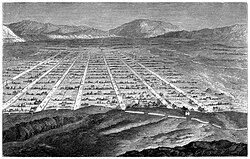
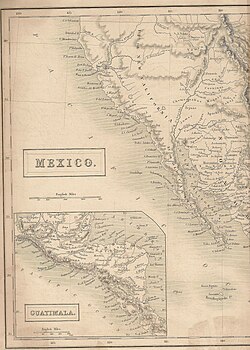
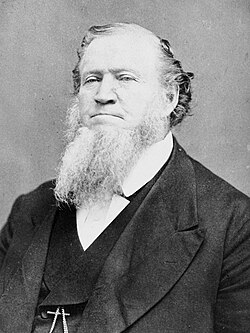
Utah's early history is marked by Spanish exploration in 1540, but its modern identity was largely shaped by the arrival of the Latter-day Saints (Mormons). Led by Brigham Young, these pioneers settled in the Salt Lake Valley in 1847, seeking a refuge where they could practice their faith. This settlement laid the groundwork for the Utah Territory, which existed from 1850 until statehood in 1896.
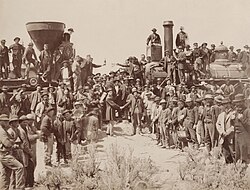
The development of the region was accelerated by the completion of the First Transcontinental Railroad on May 10, 1869, at Promontory, Utah. This milestone connected the East and West coasts, transforming Utah into a vital transportation corridor.
Geography and Natural Wonders
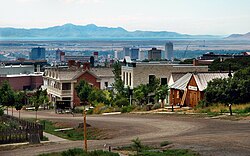
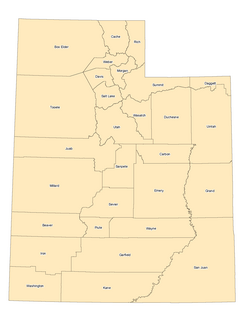
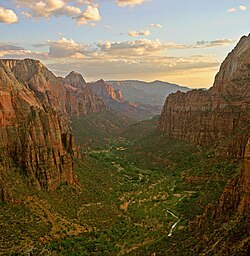
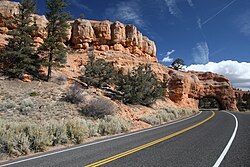
Utah's landscape is incredibly diverse, spanning from the high elevations of the Rocky Mountains to the arid basins of the Mojave Desert. The state is bordered by Idaho, Wyoming, Colorado, Nevada, and Arizona. Its geography is defined by extreme elevation changes, ranging from the low-lying Beaver Dam Wash at 2,180 feet to the summit of Kings Peak.
Wildlife and Vegetation
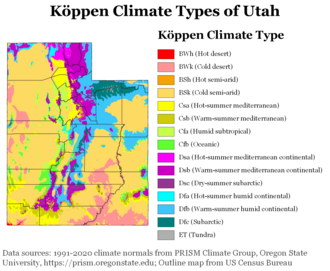
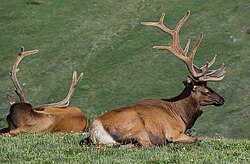
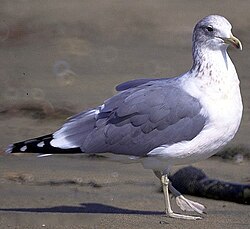
The state's varied climate supports a wide array of species. The Rocky Mountain elk serves as the state mammal, while the California gull is the state bird. One of the most remarkable biological features is Pando, a massive colony of quaking aspen trees considered one of the oldest and heaviest organisms on Earth.
![Pando, considered one of the heaviest and oldest organisms on Earth.[118][119]](/images/4e/03/4e0328ddee9718a06805b435b9890a790dabbefef1d190b98c2e4a21b4ef1be8.jpg)
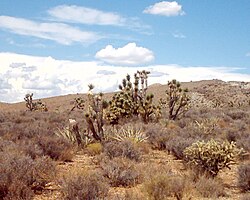
In the southwest, the landscape shifts to the Mojave Desert, where Joshua trees, yuccas, and cholla cacti dominate the terrain.
Demographics and Culture

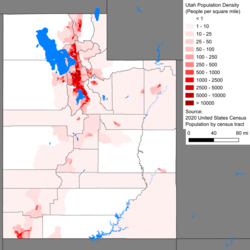
Utah's population has seen steady growth, reaching over 3.5 million by 2025. While the state remains predominantly White (non-Hispanic), there is a growing diversity, with a significant Hispanic or Latino population (15.1%) and increasing Asian and Pacific Islander communities.
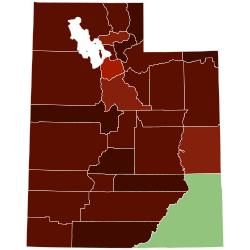
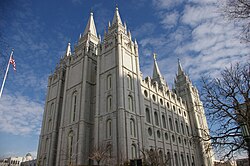
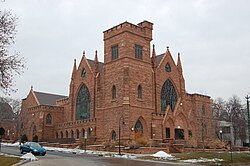
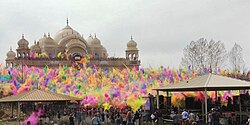
Religion plays a central role in Utah's cultural fabric. Approximately 55% of the population identifies with Mormonism/Latter-day Saints, though the state is home to various other faiths, including Protestant, Catholic, Hindu, and Muslim communities.
Economy and Infrastructure
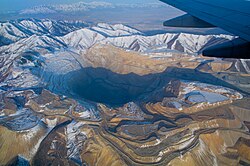
Utah's economy is a mix of traditional industries and high-tech innovation. Mining has been a cornerstone since settlement, with the Bingham Canyon Mine remaining one of the world's largest open-pit mines. Simultaneously, the state has become a leader in technology; for instance, one out of every 14 flash memory chips globally is produced in Lehi, Utah.
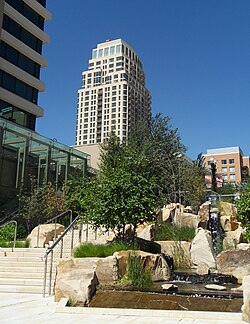
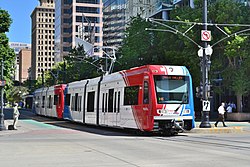
The Wasatch Front—the urban corridor stretching from Ogden to Provo—is the state's economic heart. This region is supported by a robust transportation network, including the FrontRunner commuter rail and the TRAX light rail system in Salt Lake County.
Education and Research
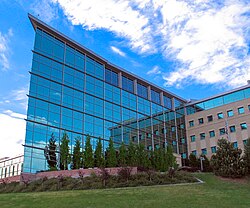
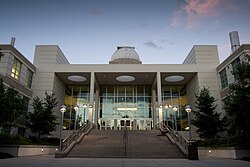
Utah hosts several prestigious institutions, including the University of Utah and Brigham Young University (BYU). These universities drive research in fields ranging from science at the Eyring Science Center to medicine at the Huntsman Cancer Institute.
State Overview Summary
| Category | Detail |
|---|---|
| Total Area | 84,899 sq mi |
| Population Rank | 30th |
| Income Rank | 8th |
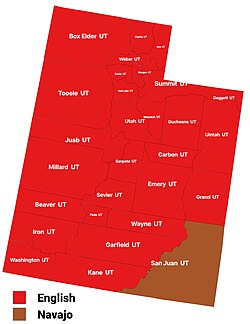
| Official Language | English |
| State Bird | California gull |
| State Mammal | Rocky Mountain elk |
Frequently Asked Questions

![One out of every 14 flash memory chips in the world is produced in Lehi, Utah.[165]](/images/28/b9/28b9ebeb8199040131d182e43be99dc50fabd5aab6248710ab94cc0a60a9117c.jpg)




What is the significance of the "Beehive" symbol in Utah?
The beehive is the official emblem of Utah and represents the state's motto, "Industry," symbolizing the hard work and cooperation of the early pioneers.
Which national parks are located in Utah?
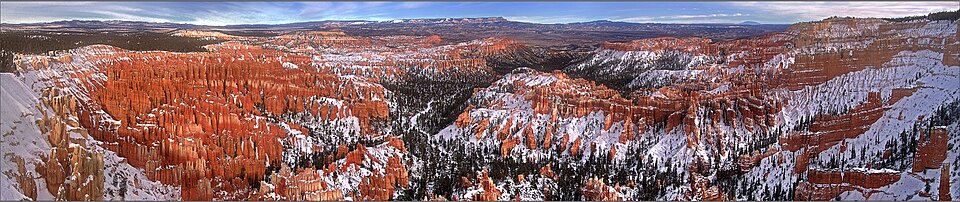
Utah is home to five national parks, including Zion National Park and Bryce Canyon National Park, known for their unique geological formations.
What are the primary economic drivers of Utah today?
While mining remains a large industry, Utah has diversified into high-tech manufacturing (specifically flash memory chips), tourism, and healthcare.
How has Utah's population changed over time?
Utah has experienced consistent growth, rising from roughly 11,000 people in 1850 to an estimated 3.5 million by 2025.
What is the Wasatch Front?
The Wasatch Front is the most densely populated region of the state, encompassing the urban development between Ogden and Provo along the Wasatch Mountains.