USS W. F. Babcock: The History of a World War I Collier
The USS W. F. Babcock (ID-1239) represents a specialized chapter of American maritime history. Serving as a collier—a ship designed specifically to carry coal—this vessel played a supporting but vital role in the logistics of the United States Navy during the First World War.
Before its military service, the vessel began its life as a wooden-hulled, schooner-rigged barge. Built in 1882 by A. Sewall and Company in Bath, Maine, the ship spent decades in commercial use. Its resilience was tested early on; on April 13, 1917, the vessel went ashore at Monomoy Point, Massachusetts, though it was successfully refloated and returned to active service.
Key Facts
- Role: Served as a coastwise collier during World War I.
- Construction: Wooden hull with a schooner rig, launched in 1882.
- Navy Service: Commissioned on November 8, 1917, and stricken on November 20, 1919.
- Operational Area: Primarily the U.S. East Coast, between New England and Norfolk, Virginia.
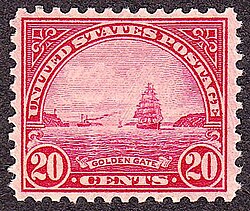
- Legacy: Featured on a 20-cent postage stamp issued in 1923.
Naval Service and Operations
The U.S. Navy acquired the vessel from the Luckenbach Steamship Company on October 18, 1917. Following its commissioning on November 8, 1917, the USS W. F. Babcock was initially assigned to the 5th Naval District. Its primary mission was the transport of coal, the essential fuel for the steam-powered fleet of the era.
On August 8, 1918, the ship was assigned to the Naval Overseas Transportation Service (NOTS). In this capacity, it operated as a coastwise collier, plying the waters of the United States East Coast, specifically moving supplies between New England and Norfolk, Virginia. This logistical chain was critical for maintaining naval readiness through the conclusion of World War I.
Decommissioning and Final Fate
Following the war, the USS W. F. Babcock was reassigned to the 1st Naval District on August 15, 1919. Its naval career came to a swift end on November 20, 1919, when it was struck from the Naval Vessel Register and sold to Reinhard and Hall. Shortly after this sale, the vessel disappeared from official shipping registers.
Technical Specifications
The W. F. Babcock was a substantial vessel for its type, combining traditional sailing rigging with the capacity for heavy bulk cargo.
| Characteristic | Detail |
|---|---|
| Type | Collier |
| Tonnage | 2,128 long tons (2,162 t) gross |
| Length | 240 ft 10 in (73.41 m) |
| Beam | 43 ft 9 in (13.34 m) |
| Draft | 26 ft 8 in (8.13 m) mean / 19 ft 4 in (5.89 m) dph |
| Sail Plan | Schooner-rigged |
| Complement | 6 |
| Armament | None |
Frequently Asked Questions
What was the primary purpose of the USS W. F. Babcock?
The USS W. F. Babcock served as a collier, which is a ship used to transport coal to power other naval vessels.
Where was the vessel built?
It was launched in 1882 by A. Sewall and Company in Bath, Maine.
Did the USS W. F. Babcock carry any weapons?
No, the vessel had no armament during its service in the U.S. Navy.
Which naval organization did it join in 1918?
On August 8, 1918, it was assigned to the Naval Overseas Transportation Service (NOTS).
How is the ship remembered in U.S. history?
The vessel is depicted sailing through the Golden Gate on a 20-cent postage stamp issued in 1923.