USDA: The Evolution and Impact of the United States Department of Agriculture
The United States Department of Agriculture (USDA) serves as a cornerstone of American infrastructure, managing everything from the safety of the food on our tables to the economic stability of rural communities. Since its inception, the agency has grown from a small division within the Patent Office into a massive federal entity with a 2024 annual budget of approximately US$ 213 billion.
Today, the USDA is led by Secretary Brooke Rollins and Deputy Secretary Stephen Vaden, overseeing a workforce of over 105,000 employees. Its mission is vast, encompassing food safety, agricultural research, rural development, and the conservation of natural resources.

Key Facts
- Established: May 15, 1862 (Cabinet status achieved February 15, 1889).
- Headquarters: Jamie L. Whitten Building, Washington, D.C.
- 2024 Budget: US$ 213 billion.
- Workforce: 105,778 employees.
- Core Mission: Managing farm production, food safety, rural development, and natural resource conservation.
A Historical Journey
The roots of the USDA can be traced back to the Agricultural Division within the Patent Office. Over the decades, the agency has undergone significant transformations, moving through the New Deal era and into the modern age of high-tech agricultural science.
In its early years, the agency focused heavily on establishing scientific standards. Figures like Harvey Washington Wiley, the Chief Chemist of the Division of Chemistry, played pivotal roles in shaping the department's scientific foundation.

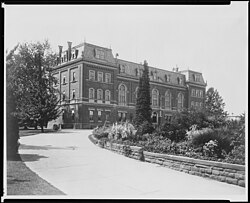
As the nation grew, so did the department's physical and administrative presence. Early buildings on the National Mall served as the nerve center for agricultural policy during the late 19th century.
The mid-20th century brought a technological revolution to the agency. By 1969, the USDA was utilizing advanced computing power, such as the IBM System/360, to manage the increasing complexity of national agricultural data.

Organizational Structure and Components
The USDA is organized into several specialized branches, each handling a critical aspect of the agricultural ecosystem. These components work in tandem to ensure food security and economic vitality.
Farm Production and Conservation (FPAC)
This branch manages the Farm Service Agency (FSA), the Natural Resources Conservation Service (NRCS), and the Risk Management Agency (RMA). These agencies provide essential support to farmers through crop insurance and conservation programs.
Food, Nutrition, and Consumer Services (FNCS)
Focusing on the end-user, this component includes the Food and Nutrition Service (FNS) and the Food Safety and Inspection Service (FSIS). They are responsible for ensuring that food products are safe for consumption and that nutrition programs are effectively administered.
Research, Education, and Economics (REE)
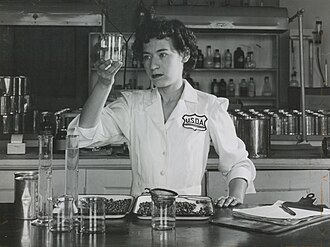
The scientific backbone of the USDA, the REE includes the Agricultural Research Service (ARS) and the National Institute of Food and Agriculture (NIFA). This branch drives innovation in crop yields, pest management, and economic forecasting.
Addressing Challenges and Social Responsibility
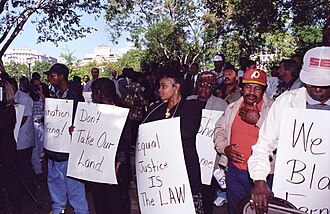
The history of the USDA is not without controversy. The agency has faced significant legal challenges regarding discrimination, most notably in the Pigford v. Glickman settlement, which addressed claims of discrimination against Black farmers. Such historical grievances have led to increased scrutiny and the implementation of modern environmental justice initiatives.
Current initiatives focus on supporting tribal communities through improved access to broadband, sustainable energy, and reliable water and wastewater systems. The agency also works to ensure that minority and low-income populations have a voice in environmental and health-related decision-making.
Summary of USDA Components
| Component | Key Agencies/Offices | Approx. Staff (FTE) |
|---|---|---|
| Farm Production and Conservation | FSA, NRCS, RMA | 23,975 |
| Natural Resources and Environment | Forest Service | 33,270 |
| Marketing and Regulatory Programs | APHIS, AMS | 12,581 |
| Research, Education, and Economics | ARS, NIFA, ERS, NASS | 7,488 |
| Food Safety | FSIS | 8,780 |
| Rural Development | RBS, RHS, RUS | 4,700 |
Frequently Asked Questions
What is the main purpose of the USDA?
The USDA manages federal programs related to agriculture, food, and natural resources. This includes supporting farmers, ensuring food safety, providing nutrition assistance, and managing national forests.
How does the USDA ensure food safety?
Through the Food Safety and Inspection Service (FSIS), the USDA inspects meat, poultry, and egg products to ensure they are safe, wholesome, and correctly labeled.
What role does the USDA play in rural development?
The USDA provides various services to rural areas, including financing for single-family housing, business cooperatives, and essential utilities like water, wastewater, and electric systems.
How did the USDA respond to the COVID-19 pandemic?
The USDA provided significant relief, including $16 billion for farmers and ranchers and $3 billion to purchase surplus produce, dairy, and meat for distribution to charitable organizations.
What are the environmental justice initiatives of the USDA?
The agency works to enforce health and environmental statutes in minority and low-income areas, ensures public participation in decision-making, and improves research and data collection regarding the health of these populations.