Uropygial Gland: The Science of Bird Preening and Feather Maintenance
Most birds possess a specialized organ known as the uropygial gland, more commonly referred to as the preen gland or oil gland. This bilobed sebaceous gland plays a critical role in avian health, allowing birds to maintain their plumage through a behavioral process called preening. By distributing a complex mixture of oils across their feathers, birds ensure their flight surfaces remain functional and their bodies protected from the elements.
The gland is located dorsally at the base of the tail, specifically between the fourth caudal vertebra and the pygostyle. Its structure is that of a holocrine gland—meaning the cells disintegrate to release their contents—enclosed in a connective tissue capsule. The gland consists of glandular acini that deposit oil into a common collector tube, which typically opens via two pores at the top of a papilla, a nipple-like structure.
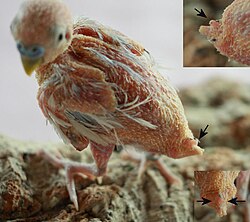
Key Facts
- Location: Found at the base of the tail (uropygium) in most bird species.
- Function: Produces preen oil used for feather integrity, waterproofing, and antimicrobial defense.
- Composition: Primarily consists of aliphatic monoester waxes, though some species produce diester waxes called uropygiols.
- Application: Birds apply the oil by rubbing their beaks or heads against the gland and spreading it across their plumage.
- Exceptions: Absent in several groups, including ostriches, emus, kiwis, and pigeons.
Distribution and Species Variation
While the uropygial gland is present during embryonic development in almost all birds, it may become vestigial in adults of certain species. At least nine families of birds lack a functional gland. This is most common in flightless birds or those that produce powder down (a fine dust used for feather maintenance) instead of oil.
Species without a uropygial gland include:
- Ratites: Ostriches, emus, rheas, and cassowaries.
- Kiwis (Apterygidae).
- Pigeons and doves (Columbidae).
- Woodpeckers (Picidae) and amazon parrots (Psittacidae).
- Frogmouths (Podargidae) and bustards (Otididae).
Birds lacking this gland often utilize alternative cleaning methods, such as dust baths, to keep their feathers clean and dry.
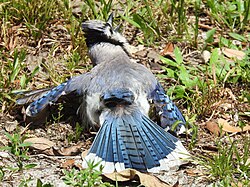
The Chemistry and Application of Preen Oil
The secretion of the uropygial gland is a complex chemical cocktail. It is primarily composed of aliphatic monoester waxes, which are formed from fatty acids and monohydroxy wax alcohols. Some bird groups produce uropygiols, which are diester waxes containing alkanediols or hydroxy fatty acids.
To apply this oil, a bird typically rubs its beak and head against the gland's papilla. The accumulated oil is then meticulously spread over the body and wing feathers, as well as the scaly skin of the legs and feet. While the beak is the primary tool for tailward areas, some species, such as budgerigars, use their feet to apply oil around the vent.
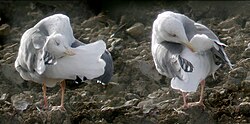
Biological Functions of the Gland
Feather and Body Integrity
Preen oil is essential for maintaining the structural integrity of feathers. In waterbirds, the oil keeps feather barbules flexible and prevents them from breaking. When these interlocking barbules are healthy, they create a barrier that repels water. Additionally, the oil may protect the horny beak and the skin of the legs. Some researchers speculate that the oil contains a precursor to vitamin D, which is activated by sunlight and absorbed through the skin.
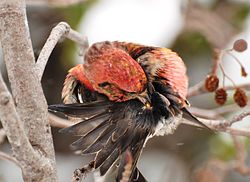
Waterproofing and Parasite Defense
Although strongly developed in waterbirds like pelicans, ducks, and ospreys, scientific studies have not found a direct correlation between the mass of the gland and the amount of time a bird spends in water. However, the oil does provide a chemical defense. Some birds harbor symbiotic bacteria, such as Enterococcus phoeniculicola and Corynebacterium uropygiale, which enhance the antimicrobial properties of the wax.
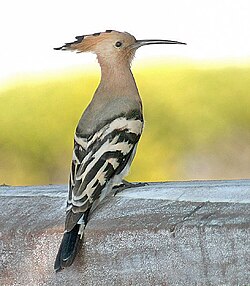
In the hoopoe, these symbiotic bacteria produce secretions that specifically fight feather-degrading bacteria. While some studies suggest preen oil helps against lice in rock doves, other research indicates that removing the gland reduces plumage quality but does not significantly change louse loads.
Cosmetic and Social Uses
In some species, the gland serves a visual purpose. Greater flamingos secrete carotenoids—organic pigments—through their uropygial gland. During the breeding season, they increase the application of these secretions to enhance their pink coloration, a process described as applying "make-up" for courtship.
Summary of Uropygial Gland Characteristics
| Feature | Description |
|---|---|
| Gland Type | Bilobed holocrine sebaceous gland |
| Primary Components | Aliphatic monoester waxes and uropygiols |
| Main Functions | Waterproofing, antimicrobial defense, feather flexibility |
| Application Method | Beak/head rubbing and distribution via preening |
| Notable Absences | Pigeons, ostriches, kiwis, and powder-down producers |
Frequently Asked Questions
Do all birds have a preen gland?
No. While most birds possess one, it is absent or vestigial in several groups, including pigeons, doves, ostriches, emus, and kiwis. These birds often use powder down or dust baths for maintenance.
Does preen oil make birds waterproof?
Preen oil helps maintain the flexibility of feather barbules, which in turn helps create a water-repellent barrier. However, the gland's size does not always correlate directly with how aquatic a bird is.
Can preen oil be toxic?
Historically, Emperor Frederick II believed the gland produced a poison used by hawks to kill prey. However, scientific studies conducted as early as 1678 found no evidence to support the claim that preen oil is toxic.
How do flamingos use their preen gland for color?
Greater flamingos secrete carotenoids through their uropygial gland. By spreading these pigments over their feathers more frequently during the breeding season, they enhance their pink color for courtship.
What role do bacteria play in the preen gland?
Some birds host symbiotic bacteria in the gland that produce antimicrobial substances. For example, in hoopoes, these bacteria help protect the plumage from bacteria that would otherwise degrade the feathers.