United States Environmental Protection Agency: Safeguarding the American Environment
The United States Environmental Protection Agency (EPA) is the primary federal body tasked with protecting human health and the environment. Established on December 2, 1970, the agency operates under the jurisdiction of the U.S. federal government to create and enforce regulations that limit pollution and manage natural resources.
From its inception, the EPA has evolved from a nascent regulatory body into a massive administrative organization. Today, it manages a substantial annual budget of approximately $9.56 billion and employs over 14,000 professionals dedicated to scientific research, policy development, and legal enforcement.

Key Facts
- Founded: December 2, 1970.
- Headquarters: William Jefferson Clinton Federal Building, Washington, D.C.
- Current Leadership: Administrator Lee Zeldin and Deputy Administrator David Fotouhi.
- Workforce: 14,130 employees.
- Annual Budget: $9,559,485,000.
- Primary Goal: Implementation of federal environmental laws to protect air, water, and land.
Organizational Structure and Governance
The EPA is organized into several specialized offices that handle different aspects of environmental protection. At the top is the Office of the Administrator (OA), which oversees various divisions including policy, public affairs, and civil rights.

Specialized Offices
The agency's operational capacity is divided among several key offices:
- Office of Air and Radiation (OAR): Focuses on air quality and radiation protection.
- Office of Water (OW): Manages drinking water, wastewater, and wetlands.
- Office of Land and Emergency Management (OLEM): Oversees Superfund remediation and hazardous waste.
- Office of Chemical Safety and Pollution Prevention (OCSPP): Regulates chemical usage and manufacture.
- Office of Research and Development (ORD): Conducts critical scientific studies to inform policy.
![The Andrew W. Breidenbach Environmental Research Center in Cincinnati is EPA's second-largest R&D center.[134]](/images/3a/95/3a9565af0e7962b3d19d0b223cadbbe07ea5f3c3fa746e9a808ec74cef432441.jpg)
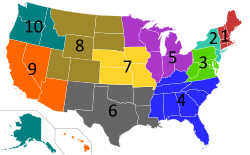
Regional Implementation
To ensure effective coverage across the diverse geography of the United States, the EPA utilizes a system of administrative regions. These regions allow the agency to tailor its enforcement and support to local environmental needs.
Core Programs and Legal Authority
The EPA derives its power from several landmark pieces of legislation. These laws provide the legal framework for the agency to set standards and penalize violators.
Primary Environmental Laws
The agency holds principal implementation authority for numerous acts, most notably:
- Clean Air Act: Regulates atmospheric emissions to improve air quality.
- Clean Water Act: Governs the discharge of pollutants into U.S. waters.
- Comprehensive Environmental Response, Compensation, and Liability Act (Superfund): Manages the cleanup of contaminated sites.
- Safe Drinking Water Act: Ensures the quality of public drinking water.
- Toxic Substances Control Act (TSCA): Regulates the introduction of new or existing chemicals.
Key Regulatory Areas
The EPA's work is divided into several critical domains:
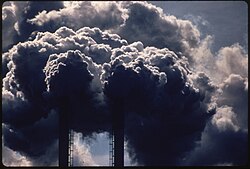
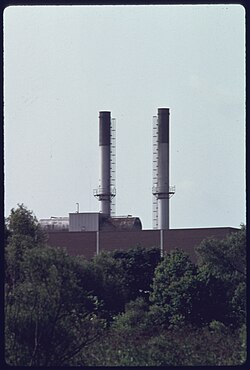
- Air Quality: Establishing National Ambient Air Quality Standards (NAAQS) and regulating both stationary sources (factories) and mobile sources (vehicles).
- Water Quality: Managing nonpoint source pollution and infrastructure financing.
- Waste Management: Overseeing the Resource Conservation and Recovery Act to handle hazardous waste.
- Radiation Protection: Managing radioactive waste and setting safety standards for air and water.
Scientific Research and Field Operations
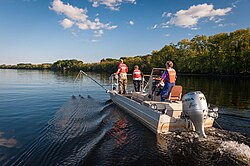
Science is the foundation of the EPA's regulatory decisions. The agency employs scientists who conduct field surveys and laboratory testing to monitor environmental health.
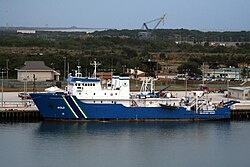
Beyond land-based operations, the EPA maintains specialized equipment for emergency response, such as the OSV Bold, a vessel used for oil spill response and recovery.
Agency Summary
| Category | Details |
|---|---|
| Established | December 2, 1970 |
| Headquarters | William Jefferson Clinton Federal Building |
| Budget | ~$9.56 Billion |
| Key Legislation | Clean Air Act, Clean Water Act, Superfund |
| Staff Size | 14,130 employees |
Frequently Asked Questions
What is the primary purpose of the EPA?
The EPA is a federal agency responsible for protecting human health and the environment by writing and enforcing regulations based on laws passed by Congress.
What is the "Superfund" program?
The Superfund program, officially known as the Comprehensive Environmental Response, Compensation, and Liability Act, is designed to clean up sites contaminated with hazardous substances.
How does the EPA regulate vehicle emissions?
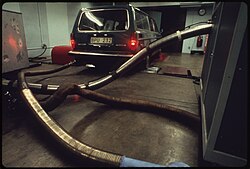
The EPA sets mobile source standards for on-road and non-road vehicles, including aircraft and marine transport, and manages transportation fuel controls through facilities like the National Vehicle Fuel and Emissions Laboratory.
Who leads the EPA?
The agency is led by an Administrator, currently Lee Zeldin, who is supported by a Deputy Administrator, David Fotouhi.
What are NAAQS?
NAAQS stands for National Ambient Air Quality Standards, which are the limits the EPA sets on specific air pollutants to protect public health and the environment.