Uncle Tom Syndrome: Psychology and Cultural Context
In the field of multicultural psychology, Uncle Tom syndrome describes a specific coping mechanism used by individuals facing threats or oppression. This behavioral pattern involves the adoption of passivity and submissiveness to appease a dominant group, effectively concealing the individual's true thoughts, feelings, and identity to ensure safety or acceptance.
Key Facts
- Definition: A coping skill characterized by subservient behavior and the suppression of true emotions when confronted with a threat.
- Origin: Derived from the title character of Harriet Beecher Stowe's novel, though the modern slur stems from distorted stage adaptations.
- Purpose: Historically used as a survival technique for self-preservation and the avoidance of retaliation.
- Broad Application: While rooted in the African American experience, it can refer to any minority group's strategy for coping with social, cultural, or economic oppression.
The Literary and Historical Evolution
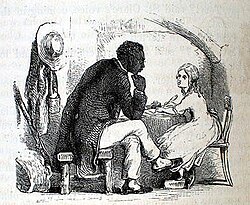
The term originates from the protagonist of Harriet Beecher Stowe's novel, Uncle Tom's Cabin. In the original text, Tom is a heroic figure who remains loyal to fellow enslaved people and is eventually beaten to death for refusing to betray them.
However, the perception of the character shifted significantly due to stage productions in the late 1850s. These versions "grossly distorted" Tom, portraying him as a man who would betray his own race to gain favor with white people. This distorted caricature—designed to appeal to the audiences of that era—is the source of the modern pejorative slur.
Psychological Perspectives on Survival
Within race studies and multicultural psychology, Uncle Tom syndrome is analyzed as a survival technique. During the era of slavery, appearing docile, non-assertive, and "happy-go-lucky" was often a necessary strategy for African Americans to avoid violent retaliation and ensure their own preservation.
The Mechanism of Appeasement
This behavior is not a reflection of the individual's true personality but rather a strategic mask. By employing servility, the marginalized person attempts to minimize the perceived threat from the oppressor, creating a facade of compliance while internally maintaining a separate identity.
Broader Sociological Implications
Beyond the specific American racial context, this syndrome can be applied to any minority group facing oppression from a dominant social, cultural, or economic power. This process may involve:
- The suppression of aggressive feelings toward the oppressor.
- Identification with the oppressor to gain security.
- Forced assimilation or acculturation, where the minority group abandons its own cultural traits to fit into the mainstream.
Summary of Uncle Tom Syndrome
| Context | Characterization/Meaning | Primary Motivation |
|---|---|---|
| Original Novel | Heroic, loyal, and principled | Moral integrity and loyalty |
| 1850s Stage Plays | Subservient and betraying | Currying favor with dominant group |
| Psychological Theory | Passivity and submissiveness | Self-preservation and survival |
Frequently Asked Questions
What is the difference between the original Uncle Tom and the slur?
In Harriet Beecher Stowe's novel, Uncle Tom is a hero who dies rather than betray others. The slur refers to the distorted stage versions of the character who were portrayed as subservient to white people for personal gain.
Is Uncle Tom syndrome only applicable to African Americans?
While the term is rooted in the African American experience, in a broader psychological context, it can refer to any minority group using submissiveness as a strategy to cope with oppression from a dominant group.
Why is this behavior considered a coping skill?
It is viewed as a survival technique because, in environments of extreme power imbalance (such as slavery), appearing docile and non-threatening can prevent retaliation and increase the chances of physical survival.
What are the long-term effects of this syndrome?
It often leads to the suppression of the individual's true identity and can result in forced assimilation or acculturation, where the person hides their ethnic outlook and practices to be accepted by the mainstream.