A Guide to the Official State Birds of the United States
Across the United States, many states have chosen a specific avian species to represent their unique identity and natural heritage. These official designations serve as symbols of local pride, celebrating the diverse wildlife that inhabits different regions of the country.
The tradition of selecting state birds gained momentum in the 1920s, largely driven by a campaign from the General Federation of Women's Clubs. Kentucky led the way in 1926 by adopting the northern cardinal. Following this, several states including Alabama, Florida, Maine, Missouri, Oregon, Texas, and Wyoming joined the movement. The process of official adoption continued for decades, with New York becoming the final state to designate its bird in 1970.
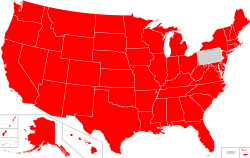
Key Facts
- Most Popular Bird: The northern cardinal is the state bird for seven different states.
- Runner Up: The western meadowlark is the state bird for six states.
- First State: Kentucky was the first to adopt a state bird in 1926.
- Last State: New York was the last to adopt its official bird in 1970.
- Special Designations: Some states designate additional birds, such as state game birds (for hunting purposes), state raptors (birds of prey), or state migratory birds.
Understanding State Bird Classifications
While most states have a single official bird, the legal landscape of state symbols can be quite nuanced. Some states utilize different categories to honor various types of wildlife.
State Game Birds and Hunting
A state game bird is a species designated specifically for the purpose of hunting. Several states, such as Alabama, Georgia, Massachusetts, Missouri, Oklahoma, South Carolina, and Tennessee, have designated these additional birds. Interestingly, some states like Alaska, California, and South Dakota permit the hunting of their primary state birds.
Raptors and Migratory Birds
Other states honor specialized categories of avian life. For example, Idaho has designated the peregrine falcon as its state raptor (a bird of prey), and Delaware has designated the red knot as its state migratory bird (a species that travels long distances seasonally).
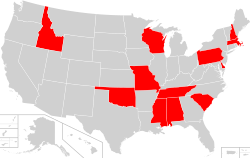
Comprehensive List of U.S. State Birds
The following table provides a detailed look at the official state birds, their scientific names, and the year they were adopted.
| State, District, or Territory | Bird | Scientific Name | Year Adopted |
|---|---|---|---|
| Alabama | Yellowhammer (northern flicker) | Colaptes auratus | 1927 |
| Alaska | Willow ptarmigan | Lagopus lagopus | 1955 |
| American Samoa | N/a | N/a | N/a |
| Arizona | Cactus wren | Campylorhynchus brunneicapillus | 1931 |
| Arkansas | Northern mockingbird | Mimus polyglottos | 1929 |
| California | California quail | Callipepla californica | 1931 |
| Colorado | Lark bunting | Calamospiza melanocorys | 1931 |
| Connecticut | American robin | Turdus migratorius | 1943 |
| Delaware | Blue Hen Chicken | Gallus gallus domesticus | 1939 |
| District of Columbia | Wood thrush | Hylocichla mustelina | 1938 |
| Florida | Northern mockingbird | Mimus polyglottos | 1927 |
| Georgia | Brown thrasher | Toxostoma rufum | 1928 |
| Guam | Guam rail (ko'ko' ) | Gallirallus owstoni | 2000 |
| Hawaii | Nene (Hawaiian goose) | Branta sandvicensis | 1957 |
| Idaho | Mountain bluebird | Sialia currucoides | 1931 |
| Illinois | Northern cardinal | Cardinalis cardinalis | 1929 |
| Indiana | Northern cardinal | Cardinalis cardinalis | 1933 |
| Iowa | Eastern goldfinch | Spinus tristis tristis | 1933 |
| Kansas | Western meadowlark | Sturnella neglecta | 1933 |
| Kentucky | Northern cardinal | Cardinalis cardinalis | 1926 |
| Louisiana | Eastern brown pelican | Pelecanus occidentalis | 1966 |
| Maine | Chickadee | Poecile species | 1927 |
| Maryland | Baltimore oriole | Icterus galbula | 1947 |
| Massachusetts | Black-capped chickadee | Poecile atricapillus | 1941 |
| Michigan | American robin | Turdus migratorius | 1931 |
| Minnesota | Common loon | Gavia immer | 1961 |
| Mississippi | Northern mockingbird | Mimus polyglottos | 1944 |
| Missouri | Eastern bluebird | Sialia sialis | 1927 |
| Montana | Western meadowlark | Sturnella neglecta | 1941 |
| Nebraska | Western meadowlark | Sturnella neglecta | 1929 |
| Nevada | Mountain bluebird | Sialia currucoides | 1967 |
| New Hampshire | Purple finch | Haemorhous purpureus | 1957 |
| New Jersey | Eastern goldfinch | Spinus tristis tristis | 1935 |
| New Mexico | Greater roadrunner | Geococcyx californianus | 1949 |
| New York | Eastern bluebird | Sialia sialis | 1970 |
| North Carolina | Northern cardinal | Cardinalis cardinalis | 1943 |
| North Dakota | Western meadowlark | Sturnella neglecta | 1947 |
| Northern Mariana Islands | Mariana fruit-dove | Ptilinopus roseicapilla | Unknown |
| Ohio | Northern cardinal | Cardinalis cardinalis | 1933 |
| Oklahoma | Scissor-tailed flycatcher | Tyrannus forficatus | 1951 |
| Oregon | Western meadowlark (songbird) | Sturnella neglecta | 1927 |
| Pennsylvania | Ruffed grouse (game bird) | Bonasa umbellus | 1931 |
| Puerto Rico | Puerto Rican spindalis | Spindalis portoricensis | Unknown |
| Rhode Island | Rhode Island Red | Gallus gallus domesticus | 1954 |
| South Carolina | Carolina wren | Thryothorus ludovicianus | 1948 |
| South Dakota | Ring-necked pheasant | Phasianus colchicus | 1943 |
| Tennessee | Northern mockingbird | Mimus polyglottos | 1933 |
| Texas | Northern mockingbird | Mimus polyglottos | 1927 |
| Utah | California gull | Larus californicus | 1955 |
| Vermont | Hermit thrush | Catharus guttatus | 1941 |
| Virgin Islands | Bananaquit | Coereba flaveola | 1970 |
| Virginia | Northern cardinal | Cardinalis cardinalis | 1950 |
| Washington | Willow goldfinch | Spinus tristis salicamans | 1951 |
| West Virginia | Northern cardinal | Cardinalis cardinalis | 1949 |
| Wisconsin | American robin | Turdus migratorius | 1949 |
| Wyoming | Western meadowlark | Sturnella neglecta | 1927 |
Frequently Asked Questions
Which bird is the most common state bird in the U.S.?
The northern cardinal is the most frequent choice, serving as the official state bird for seven different states.
Does every state have an official state bird?
Most states do, but there are exceptions. For example, Pennsylvania has not chosen an official state bird, though it has designated the ruffed grouse as its state game bird.
What is the difference between a state bird and a state game bird?
A state bird is a general symbol for the state, whereas a state game bird is a specific designation used for the purpose of hunting.
Which state was the last to adopt a state bird?
New York was the last state to officially adopt its state bird, doing so in 1970.
Are there states with multiple bird designations?
Yes. Many states have multiple designations, such as a state bird alongside a state raptor (bird of prey), a state waterfowl, or a state migratory bird.