U.S. Department of State: Managing American Diplomacy and Global Affairs
The U.S. Department of State serves as the primary executive department responsible for the nation's foreign policy and international relations. Established in the early days of the American republic, it acts as the lead agency for diplomatic engagement, representing United States interests across the globe while fostering cooperation between nations.
From protecting citizens traveling abroad to negotiating complex international treaties, the Department of State operates a vast network of embassies and consulates. Its mission is to advance the security, prosperity, and democratic values of the United States through strategic diplomacy and international partnership.

Key Facts
- Founded: July 27, 1789.
- Headquarters: Harry S Truman Building, Washington, D.C.
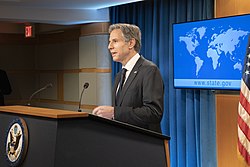
- Leadership: Led by the Secretary of State.
- Workforce: Approximately 80,214 total employees, including Foreign Service, Civil Service, and local staff.
- Annual Budget: USD 58 billion (FY 2025).
Historical Evolution
The Department of State evolved from the original Department of Foreign Affairs. Throughout the 19th century, the agency expanded its administrative capabilities to meet the needs of a growing nation. In 1836, the office of Commissioner of Patents was created, and by 1842, the department began reporting to Congress on foreign commercial systems.
To manage this increasing data, the Superintendent of Statistics and the Statistical Office were established in 1854. Additionally, the role of Assistant Secretary of State was created in 1853 to provide oversight for the various bureaus within the department.
Core Duties and Responsibilities
The Department of State is tasked with several critical functions that ensure the safety of Americans and the stability of international markets. Its core activities include:
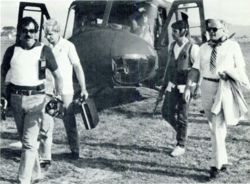
- Citizen Services: Protecting and assisting U.S. citizens who are living or traveling in foreign countries.
- Economic Support: Assisting American businesses as they navigate and compete in the international marketplace.
Organizational Structure
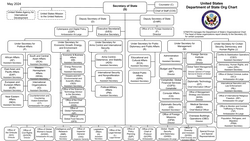
The department is organized into a complex hierarchy designed to address specific geographic regions and thematic global issues. At the top is the Secretary of State, supported by the Deputy Secretary of State and the Deputy Secretary of State for Management and Resources.
The agency is divided into several Under Secretary portfolios:
- Political Affairs: Manages regional bureaus including African, East Asian and Pacific, European and Eurasian, Near Eastern, South and Central Asian, and Western Hemisphere Affairs.
- Economic Affairs: Oversees the Bureau of Economic, Energy, and Business Affairs, as well as Cyberspace and Digital Policy.
- Arms Control and International Security: Includes bureaus for Counterterrorism, Political-Military Affairs, and International Narcotics and Law Enforcement.
- Public Diplomacy and Public Affairs: Manages educational and cultural exchanges.
- Management: Oversees the Bureau of Consular Affairs, Diplomatic Security, and Human Resources.
- Foreign Assistance, Humanitarian Affairs and Religious Freedom: Focuses on democracy, human rights, and global health security.
Personnel and Workforce
The Department employs a diverse workforce to execute its global mission. This includes 14,399 Foreign Service employees, who typically serve in overseas missions, 12,831 Civil Service employees, and 50,703 local employees hired within their respective host countries.

Specialized Programs and Military Components
Beyond traditional diplomacy, the Department manages several prestigious fellowship and exchange programs to build international bridges, such as the Fulbright Program, the Jefferson Science Fellows, and the Young Southeast Asian Leaders Initiative (YSEALI).

To ensure the safety of its personnel and facilities, the Department maintains specific military and security components. These include the Department of State Air Wing, the Naval Support Unit, and the Army Reserve Counter Terrorism Unit.
![Naval Support Unit Seabees securing a diplomatic compound in December 2010[93]](/images/13/37/13376815a05b8df0e30553df16c7ff76ddf5b236db359711cbe3cdabba798d0f.jpg)
Headquarters and Facilities
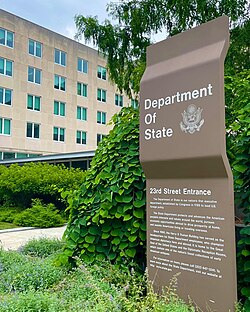
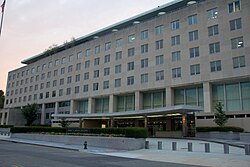
The central hub of American diplomacy is the Harry S Truman Building in Washington, D.C., which has served as the headquarters since May 1947. Often referred to by its location in "Foggy Bottom," this facility houses the leadership and the various bureaus that coordinate global operations.
| Category | Details |
|---|---|
| Established | July 27, 1789 |
| Current Secretary | Marco Rubio |
| Total Staff | 80,214 |
| FY 2025 Budget | USD 58 Billion |
| Primary Headquarters | Harry S Truman Building |
Frequently Asked Questions
When was the Department of State formed?
The Department of State was formed on July 27, 1789, originally as the Department of Foreign Affairs.
Who is the current Secretary of State?
The Secretary responsible for the department is Marco Rubio.
What is the purpose of the Foreign Service?
The Foreign Service consists of specialized employees who represent the U.S. government abroad, managing embassies and consulates to carry out diplomatic missions.
Where is the Department of State headquartered?
The headquarters is located in the Harry S Truman Building in Northwest Washington, D.C.
What are some of the Department's educational programs?
The Department manages several exchange programs, including the Fulbright Program, the Young African Leaders Initiative (YALI), and the Young Southeast Asian Leaders Initiative (YSEALI).