Turkish Airlines: A Global Aviation Powerhouse
Founded on May 20, 1933, Turkish Airlines (also known as THY) has evolved from a regional carrier into one of the world's most expansive airlines. Operating from its primary hub at Istanbul Airport, the airline serves as a critical bridge between East and West, leveraging Turkey's unique geographical position to connect hundreds of destinations across the globe.
As a prominent member of the Star Alliance, the airline has scaled its operations significantly over the last two decades, expanding its fleet and network to become a dominant force in international aviation.
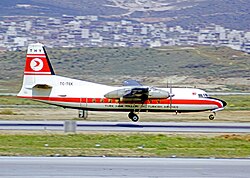
Key Facts
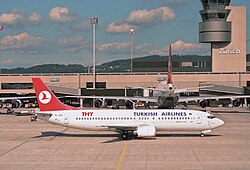
- Founded: May 20, 1933
- Primary Hub: Istanbul Airport
- Fleet Size: 516 aircraft
- Destinations: 352 (including cargo)
- Alliance: Star Alliance
- Frequent Flyer Program: Miles&Smiles
- 2024 Revenue: US$ 22.669 billion
Growth and Financial Evolution
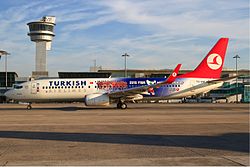
The trajectory of Turkish Airlines since the early 2000s demonstrates aggressive growth in both capacity and profitability. From 2003 to 2025, the airline has seen its turnover rise from US$ 2.0 billion to a projected US$ 24.0 billion.
This expansion is mirrored in its passenger volume, which grew from 10.4 million in 2003 to an estimated 92.6 million by 2025. Despite a significant dip in 2020 due to global travel disruptions, the airline rebounded strongly, reaching a net income of US$ 3.647 billion in 2024.
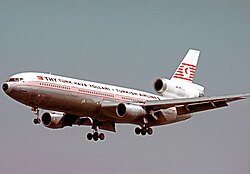
Operational Performance Summary
| Year | Turnover (US$ bn) | Passengers (m) | Aircraft Count | Destinations |
|---|---|---|---|---|
| 2003 | 2.0 | 10.4 | 65 | 103 |
| 2010 | 5.4 | 29.1 | 153 | 171 |
| 2015 | 10.5 | 61.2 | 299 | 284 |
| 2020 | 6.7 | 27.9 | 363 | 324 |
| 2024 | 22.6 | 85.1 | 492 | 352 |
| 2025 (Proj) | 24.0 | 92.6 | 516 | 356 |
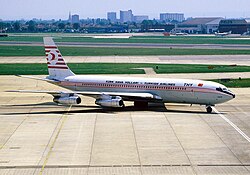
Fleet and Infrastructure
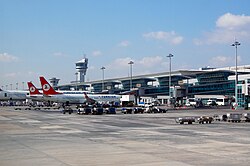
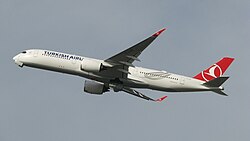
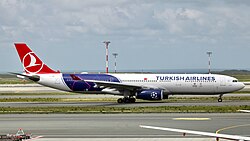
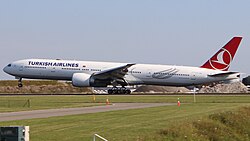
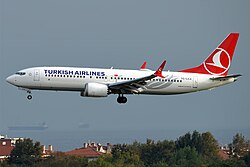
The airline maintains a diverse and modern fleet to support its long-haul and short-haul operations. The Airbus A350 represents the newest addition to the fleet, enhancing efficiency and passenger comfort on long-distance routes.
Beyond passenger transport, the company operates a comprehensive ecosystem of subsidiaries. These include Turkish Cargo for logistics, Turkish Technic for aircraft maintenance, and the Turkish Airlines Flight Academy, which trains new pilots using a fleet of Cessna 172S, Diamond DA-40, and Diamond DA-42 NG aircraft.
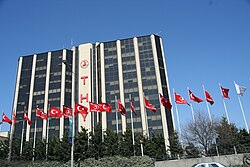
Global Partnerships and Brand Presence
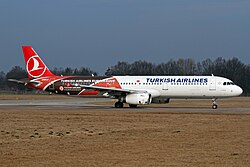
Turkish Airlines utilizes codeshare agreements—partnerships where two or more airlines share the same flight—to extend its reach. It collaborates with a vast array of carriers, including United Airlines, Lufthansa, Singapore Airlines, and EVA Air.
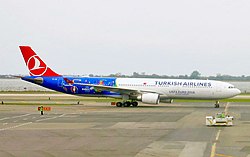
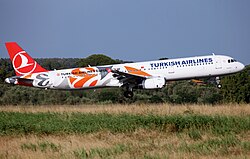
The airline is also known for its high-profile sports sponsorships, which have increased its global brand visibility. Notable partnerships have included FC Barcelona, Borussia Dortmund, and the UEFA Champions League.
![A Turkish Airlines Boeing 777-300ER with the FC Barcelona colours in 2012; the airline was the official sponsor and carrier of the club between 2010 and 2013.[29]](/images/4a/c9/4ac908cde9c12c7196b5f3a1de2551e6c8a71bc4e046e3dd22b4705b9707d16f.jpg)
Frequently Asked Questions

![Turkish Airlines also sponsored Bundesliga club Borussia Dortmund.[186]](/images/64/4f/644f1664555b5cc6e39b4517e6209886640513a83c80b19c6c82fbe8bec8be9c.jpg)
What is the primary hub for Turkish Airlines?
The primary hub for Turkish Airlines is Istanbul Airport in Turkey.
Which airline alliance does Turkish Airlines belong to?
Turkish Airlines is a member of the Star Alliance.
What is the name of the Turkish Airlines frequent-flyer program?
The frequent-flyer program is called Miles&Smiles.
How many destinations does Turkish Airlines serve?
As of 2024, the airline serves 352 destinations, including those served by its cargo operations.
What are some of the airline's key subsidiaries?
Key subsidiaries include AJet, Turkish Cargo, Turkish Technic, and the Turkish Airlines Flight Academy.