Turin: A Journey Through Italy's Savoyard Capital and Industrial Heart
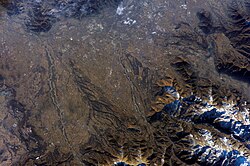
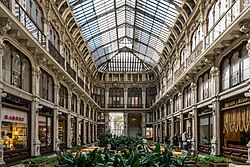
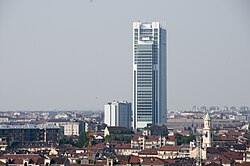
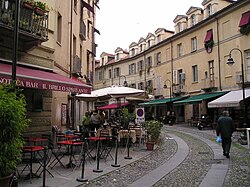
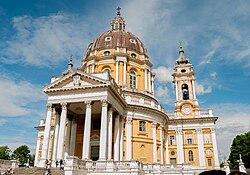
Nestled at the foot of the western Alpine arch and the Superga hill, Turin (or Torino in Italian) stands as a sophisticated blend of royal elegance and industrial prowess. As the capital of the Piedmont region, this city holds a prestigious place in Italian history, having served as the first capital of the Kingdom of Italy from 1861 to 1865. Known by nicknames such as the Città sabauda (Savoyard City) and the Capitale delle Alpi (Capital of the Alps), Turin offers a unique landscape where historic palaces meet modern innovation.
The city is primarily situated on the western bank of the River Po, creating a scenic backdrop that has influenced its development from ancient Roman times to its modern status as a major business and cultural hub.
Key Facts
- Status: Capital of the Piedmont region and the Metropolitan City of Turin.
- Historical Significance: First capital of the Kingdom of Italy (1861–1865).
- UNESCO Recognition: Home to the Residences of the Royal House of Savoy.
- Population: Approximately 855,654 (city proper) with a metropolitan area of 2.2 million.
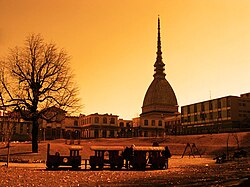
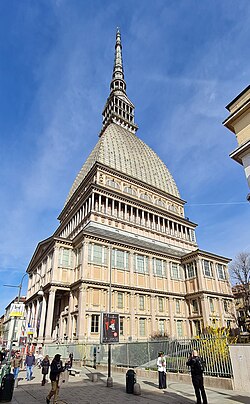
- Major Landmarks: Mole Antonelliana, Egyptian Museum, and the Royal Palace.
A Rich Historical Tapestry
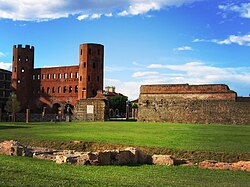
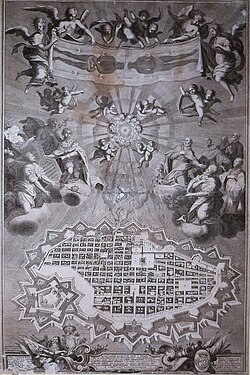
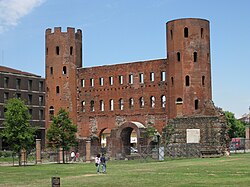
Turin's origins stretch back to the Roman era, when it was known as Augusta Taurinorum. Throughout the Middle Ages and the early modern period, the city evolved under the influence of the House of Savoy, which left an indelible mark on its architecture and urban planning.
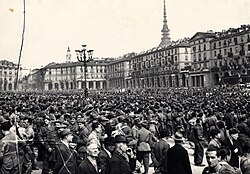
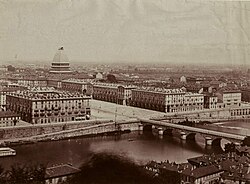
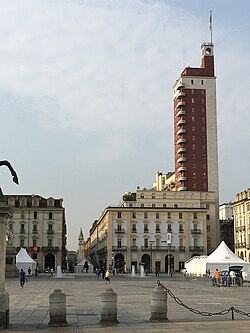
The 19th century marked a period of significant transformation. The opening of the Fréjus Tunnel in 1871 established Turin as a vital communication link between Italy and France. During this era, the city's population grew, and many of its most iconic landmarks—including the Mole Antonelliana and the Egyptian Museum—were constructed, defining the skyline we recognize today.
Royal Heritage and UNESCO Sites
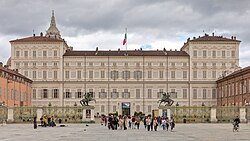
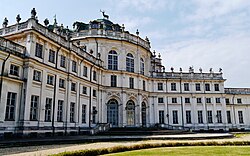
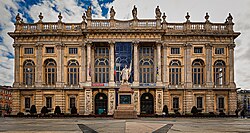
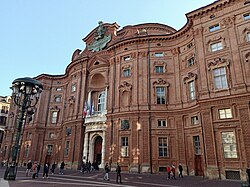
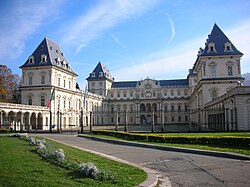
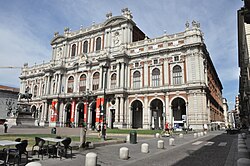
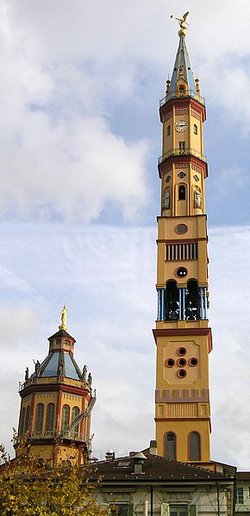
The influence of the Savoy dynasty is most visible in the city's magnificent residences. These sites are recognized as a UNESCO World Heritage Site under the title "Residences of the Royal House of Savoy." From the grand Palazzo Reale (Royal Palace) to the hunting lodge of Stupinigi, these structures showcase the cultural and political power of the monarchy.
Culture, Museums, and Art
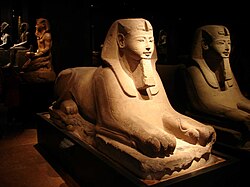
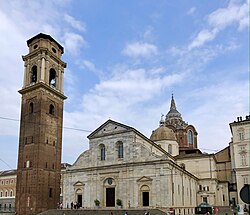
Turin is a global destination for art and history lovers. The Museo Egizio (Egyptian Museum) holds the distinction of being the world's oldest Egyptian museum, offering unparalleled insights into ancient civilizations. For those interested in religious history, the Turin Cathedral houses the famous Chapel of the Holy Shroud.
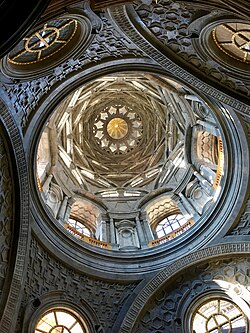
The city's cultural life is further enriched by the Teatro Regio opera house and a vibrant cinema history. In the early 20th century, Turin was a pioneer in Italian film, producing early blockbusters like Giovanni Pastrone's Cabiria in 1914.
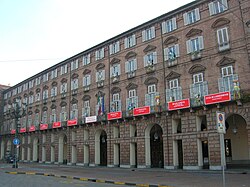
Industry and Modern Development
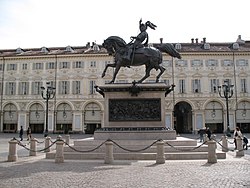
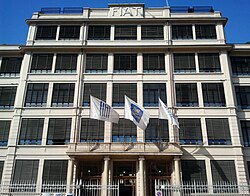
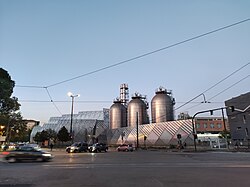
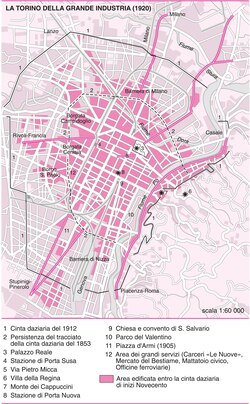
Beyond its royal roots, Turin is a powerhouse of Italian industry. The city is famously associated with Fiat, and the historic Lingotto factory remains a symbol of this industrial legacy. This manufacturing strength has shaped the city's demographics and urban layout, creating a landscape of both grand boulevards and functional industrial zones.
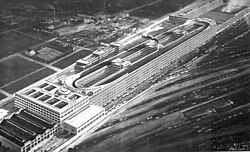
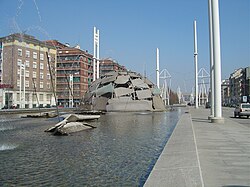
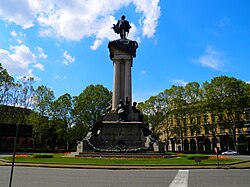
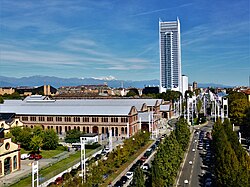
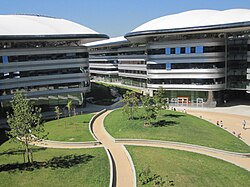
Today, the city continues to modernize through projects like the Spina Centrale, a new boulevard built over undergrounded railways, and the development of high-tech business districts.
Parks and Leisure
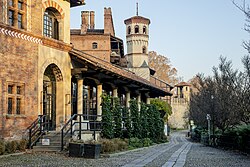
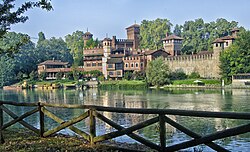
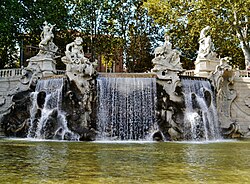
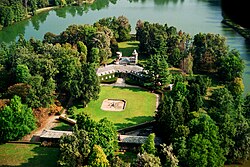
For relaxation, residents and visitors flock to Parco del Valentino, the city's most popular green space. The park features the charming Borgo Medioevale (a medieval village reconstruction) and various fountains and paths designed to enhance its natural beauty.
City Overview Summary
| Category | Details |
|---|---|
| Region | Piedmont |
| Elevation | 239 m (784 ft) |
| Patron Saint | John the Baptist (24 June) |
| Climate Type | Continental (with seasonal extremes) |
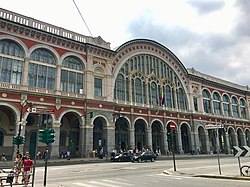
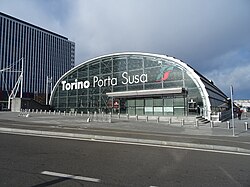
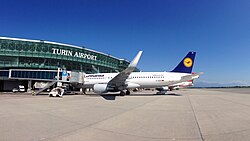
| Major Transport | Porta Nuova, Porta Susa, Turin Caselle Airport |
Frequently Asked Questions
What is the most famous landmark in Turin?
The Mole Antonelliana is widely considered the city's most iconic landmark and a symbol of Turin.
Is Turin a good destination for history buffs?
Yes, Turin offers immense historical value, from its Roman origins and Savoyard royal residences to the world's oldest Egyptian museum.
What is the climate like in Turin?
Turin experiences a continental climate. Summers can be warm, with record highs reaching above 37°C, while winters can be cold, with temperatures occasionally dropping below -20°C.
How can I get around the city?
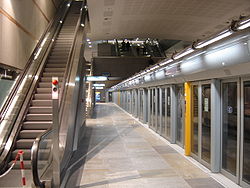
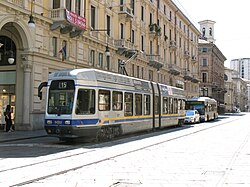
Turin is well-connected via public transportation, including trams, buses, and the metro system, as well as major railway stations like Porta Nuova and Porta Susa.
What is the significance of the 2006 Winter Olympics to Turin?
Turin hosted the 2006 Winter Olympics, making it the largest city to have ever hosted the Winter Games at that time.