Transgender Identity: Terminology, History, and Global Perspectives
The concept of transgender encompasses a diverse range of identities, experiences, and histories. At its core, being transgender refers to individuals whose gender identity—their internal sense of being male, female, or another gender—differs from the sex they were assigned at birth. Understanding this topic requires distinguishing between gender identity and sexual orientation, as well as recognizing the vast cultural variations in how gender is expressed globally.

Key Facts
- Gender identity refers to an internal sense of self, whereas sexual orientation describes whom a person is attracted to.
- The term transgender is an umbrella term that includes trans women, trans men, and non-binary or genderqueer individuals.
- Many cultures recognize a third gender, such as the Jogappa in India.
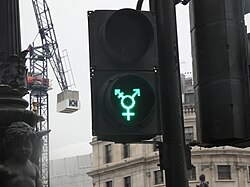
- Transgender visibility is represented through various symbols, including the rainbow flag and specific pride icons.
Understanding Terminology and Identity
Terminology in the transgender community is evolving. While terms like transsexual have been used historically, many people now prefer the broader term transgender. It is also important to distinguish between gender identity and drag. Drag is a form of performance involving clothing and behavior, but drag performers are not inherently transgender.

Gender Modality and Subcategories
Gender identity is often categorized into several modalities:
- Trans woman: An individual assigned male at birth who identifies as a woman.
- Trans man: An individual assigned female at birth who identifies as a man.
- Non-binary and Genderqueer: Identities that fall outside the traditional male/female binary.
- Third Gender: A category recognized in various cultures that does not fit into the Western binary system.
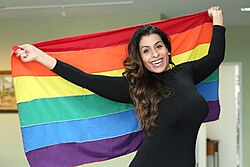
Historical and Cultural Contexts
Transgender identities are not a modern phenomenon; they have existed across various eras and civilizations. Historical records show individuals navigating gender non-conformity long before contemporary terminology was established.
![1879 photograph of Edward de Lacy Evans, upon his admittance into Kew Lunatic Asylum. Evans identified as a man for the majority of his life, later becoming known in Melbourne as the "Wonderful Male Impersonator".[127]](/images/81/56/815658412e867d5080799e46b2d89ce3b6fb5268dc4eb848eea463b8aa00f4b9.png)
Global Expressions of Gender
Across the world, different societies have unique ways of recognizing gender diversity. In India, the Supreme Court has recognized transgender people as a third gender. This includes communities like the Jogappa in Karnataka and Andhra Pradesh, who serve as traditional folk singers and dancers.
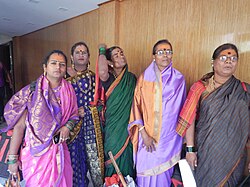
In Thailand, the Kathoey identity is a recognized part of the cultural landscape, with individuals like Nong Tum gaining international recognition through film.

Healthcare and Mental Health Statistics
Access to healthcare is a critical issue for the transgender community. Research indicates significant disparities in mental health outcomes, often linked to the availability of gender-affirming care. The following table outlines various statistics related to mental health interventions and experiences.
| Category | Suicidal Thoughts (Past 12 Months) | Suicidal Attempts (Past 12 Months) | Lifetime Suicidal Thoughts | Lifetime Suicidal Attempts |
|---|---|---|---|---|
| Want hormones and have not had them | 57.9 | 8.9 | 84.4 | 41.1 |
| Want hormones and have had them | 42.9 | 6.5 | 81.9 | 42.4 |
| Want reassignment surgery, have not had | 54.8 | 8.5 | 83.9 | 41.5 |
| Want reassignment surgery, have had | 38.2 | 5.1 | 79.0 | 39.5 |
| Have not "de-transitioned" | 44.2 | 6.7 | 81.6 | 41.8 |
| Have "de-transitioned" | 57.3 | 11.8 | 86.0 | 52.5 |
Visibility and Advocacy
Increased visibility through media, activism, and public demonstrations has played a major role in the fight for transgender rights. From activists like Camille Cabral in France to high-profile figures like actress Laverne Cox, visibility helps challenge discrimination.
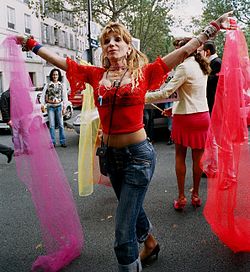

Public demonstrations, such as the "Existrans" march or Pride events in London, serve as vital platforms for community solidarity and political advocacy.

Frequently Asked Questions
What is the difference between gender identity and sexual orientation?
Gender identity is an individual's internal sense of their own gender (who they are), while sexual orientation refers to whom a person is emotionally, physically, or romantically attracted to (who they love).
Is drag the same as being transgender?
No. Drag is a form of performance art involving exaggerated clothing and behavior. While some transgender people may perform drag, being a drag performer is not inherently a transgender identity.
What does it mean to "de-transition"?
De-transitioning refers to individuals who have previously undergone medical or social transitions but have since returned to living as their assigned sex at birth or stopped pursuing gender-affirming treatments.
How is gender recognized in different countries?
Recognition varies widely. For example, India recognizes transgender people as a "third gender," while in other countries, legal protections and recognition of non-binary identities are still evolving through legislative and judicial processes.
Why is healthcare access important for transgender people?
Access to gender-affirming healthcare, including hormone therapy and reassignment surgery, is linked to improved mental health outcomes and reduced rates of suicidal ideation and attempts within the community.