Traffic Signs: The Evolution and Science of Road Safety Signage
From ancient stone milestones to high-tech digital displays, traffic signs have served as the silent language of the road. These signs, erected at the side of or above roadways, provide essential instructions and information to ensure the safety and efficiency of travelers. As transportation has evolved from horse-drawn carriages to high-speed automobiles, the methods used to communicate with drivers have undergone a massive transformation.
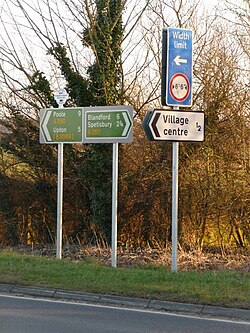
In the early days, signage was rudimentary. The Romans used stone columns to mark distances to Rome, and the Mauryas in India utilized signboards at intervals of 10 stades. During the Middle Ages, multidirectional signs at intersections became common to guide travelers toward various cities and towns. However, the modern era of signage truly began with the rise of the bicycle in the late 19th century. Because cyclists traveled long distances on unfamiliar roads, organizations began erecting signs to warn of specific hazards, such as steep hills, rather than just providing directions.
Key Facts
- Earliest Signs: Stone and wooden milestones used for distance and direction.
- Standardization: The Vienna Convention helps achieve international uniformity in signage.
- Modern Materials: Most contemporary signs are made of sheet aluminum with retroreflective coatings for night visibility.
- Digital Future: Intelligent control systems now allow signs to change text or symbols in real-time.
- Automated Recognition: Modern vehicles can use cameras to automatically recognize speed limits and other signs.
International Standards and Conventions
As traffic volumes surged following the 1930s, the need for a universal language became apparent. To overcome language barriers and enhance safety, many countries moved toward pictorial signs—using symbols or silhouettes instead of words. These are often based on international protocols developed in Europe.
The Vienna Convention on Road Signs and Signals has been instrumental in creating a degree of uniformity across many nations. By following these international standards, countries reduce confusion for international travelers. For example, the convention defines eight distinct categories of signs, including danger warnings, priority signs, and mandatory signs.
Global Signage Categories
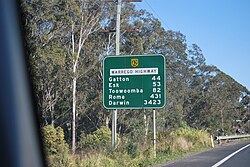
While specific classifications vary by region, the Vienna Convention provides a structured framework. In contrast, countries like the United States, Canada, Australia, and New Zealand use a different set of categories, ranging from regulatory and warning signs to specialized markers for schools, bicycles, and railroads.
| Vienna Convention Categories | North American/Oceanic Categories |
|---|---|
| Danger warning signs | Regulatory signs |
| Priority signs | Warning signs |
| Prohibitory or restrictive signs | Guide signs |
| Mandatory signs | Street name and Route marker signs |
| Special regulation signs | Expressway and Freeway signs |
| Information, facilities, or service signs | Informational and Recreation signs |
| Direction, position, or indication signs | Emergency management signs |
| Additional panels | Temporary traffic control signs |
The Science of Readability and Typography
Designing a road sign is not just an aesthetic choice; it is a matter of public safety. The typeface (the design of the letters) must be highly readable from a distance and at high speeds. Designers focus on clear letterforms, appropriate spacing, and increased X-height (the height of lowercase letters) to help drivers distinguish characters quickly.
A significant challenge in typography is halation, a phenomenon where light causes letters to blur, making them look like other characters (for example, a lowercase "e" appearing as an "o"). This is particularly problematic for aging drivers.
The Highway Gothic vs. Clearview Debate
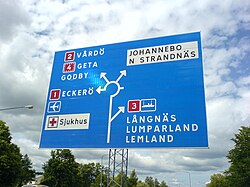
In the United States, the standard typeface has long been Highway Gothic. However, in 1997, researchers proposed Clearview, a typeface specifically designed to combat halation and improve legibility. The adoption of Clearview has been a subject of debate; while some studies suggest it improves readability, the Federal Highway Administration (FHWA) has expressed concerns regarding consistency and cost, maintaining Highway Gothic as the primary standard while allowing limited interim use of Clearview.
Technological Advancements in Signage
The medium of road communication is shifting from static metal plates to dynamic electronic systems. Modern "intelligent control" signs can change their messages based on automated traffic sensors or remote manual input. Furthermore, real-time incident warnings are now transmitted directly to vehicle navigation systems via FM radio, 3G cellular data, and satellite broadcasts.
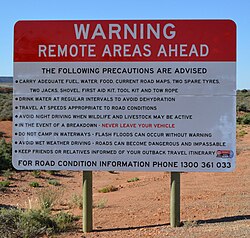
Even accessibility is being addressed through Remote Infrared Audible Signage (RIAS). These "talking signs" use infrared transmitters to provide information to print-handicapped individuals, such as those with visual impairments, via handheld receivers or mobile devices.


Frequently Asked Questions
What is the difference between a street sign and a traffic sign?
A street sign is used specifically to identify the name of a road, whereas a traffic sign is used to provide instructions, warnings, or information to road users to ensure safety and regulation.
Why are most modern road signs made of aluminum?
Since 1945, most signs have been manufactured from sheet aluminum with adhesive plastic coatings. This material is durable and allows for retroreflective coatings, which improve visibility during nighttime or low-light conditions.
How do cars recognize road signs automatically?
Starting around 2008, some vehicles began featuring automatic traffic sign recognition. This technology uses onboard cameras to identify signs, such as speed limits, and can combine this data with GPS to ensure accuracy.
What are advance directional signs?
Advance directional signs are placed at a distance from an interchange to give drivers information about upcoming exits. This allows them to take necessary precautions, such as changing lanes or slowing down, before reaching the actual junction.
Why is standardization important for road signs?
Standardization, through conventions like the Vienna Convention, ensures that drivers can understand signs even in foreign countries. Using universal symbols instead of text helps overcome language barriers and reduces the risk of accidents caused by confusion.