Tonghak Peasant Revolution: The Struggle for Equality in 19th-Century Korea
Between January 1894 and December 1895, the Korean Peninsula was swept by a massive social and political upheaval known as the Tonghak Peasant Revolution. Driven by followers of Donghak—a Neo-Confucian movement that rejected Western technology and ideals—this uprising sought to address deep-seated grievances against the Joseon government and the growing influence of foreign powers.
What began as a localized movement for religious and social reform rapidly transformed into a widespread rebellion that challenged the very foundations of the state. The conflict would eventually draw in international powers, contributing to the onset of the First Sino-Japanese War.
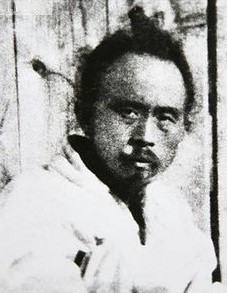
Key Facts
- Timeline: 11 January 1894 – 25 December 1895
- Primary Movement: Donghak (a Neo-Confucian movement)
- Key Leaders: Jeon Bong-jun, Kim Gae-nam, Son Byong-hi, and Choe Sihyeong
- Major Conflict: The Battle of Ugeumchi, where rebel forces were decisively defeated
- Outcome: Suppression of the rebellion and increased Japanese occupation in Joseon
The Roots of Rebellion
The Donghak Movement and Social Unrest
The revolution was deeply rooted in the Donghak religion. Following various internal struggles, such as Yi Pil-je's Revolt in Gyeongsang Province, the movement spread through the provinces of Chungcheong and Jeolla. Key figures like Son Hwa-jung and Jeon Bong-jun became central to this growing religious and social network.
By the 1890s, the movement had split into two distinct factions: the Northern Jeob and the Southern Jeob. Tensions rose as believers petitioned for the restoration of the honor of Choe Je-u, the movement's founder. In November 1892, Jeon Bong-jun led the Samrye Petition, a significant step toward organized political demands.
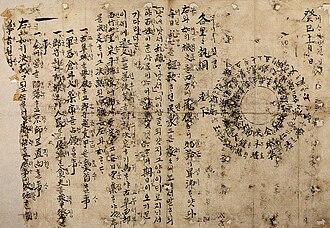
The Gobu Revolt and the First Uprising
The spark that ignited the revolution was the Gobu Revolt. In March 1894, Jeon Bong-jun and Kim Gae-nam organized rebels in Mujang, eventually growing an army of tens of thousands. These rebels, often wearing white and wielding bamboo spears, became known for their striking appearance. They targeted corrupt governmental offices and destroyed local reservoirs to protest administrative misconduct.
One of the first major successes for the rebels was the Battle of Hwangtojae. Using the cover of fog, 10,000 rebels ambushed a government force, successfully defending their position and inflicting heavy losses on the state troops.
The Escalation of Conflict
The Coalition of North and South
As the movement expanded, the Northern and Southern factions sought unity. In September 1894, leaders negotiated plans at Samrye, forming a coalition army. This combined force, estimated between 25,000 and 200,000 strong, marched toward Gongju, the capital of Chungcheong Province.
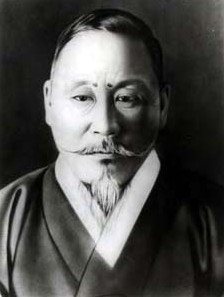
The rebellion saw various regional leaders taking command. While Jeon Bong-jun led the Southern Jeob, Son Byong-hi commanded the Northern Jeob. Meanwhile, Kim Gae-nam led a significant force in an attack on Cheongju, demonstrating the widespread reach of the uprising.
The Decisive Battle of Ugeumchi
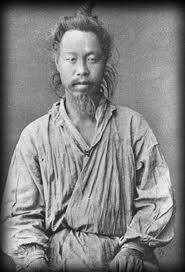
The turning point of the revolution occurred at the Battle of Ugeumchi in November 1894. Despite their massive numbers, the rebel army faced a technologically superior force consisting of Japanese soldiers equipped with modern rifles and cannons, alongside government troops. The rebels, largely armed with traditional weapons, attempted to charge the Japanese lines repeatedly, but the disparity in firepower was insurmountable. The battle resulted in catastrophic losses, reducing a massive rebel army to only a few hundred survivors.
The Suppression and Fall of the Movement
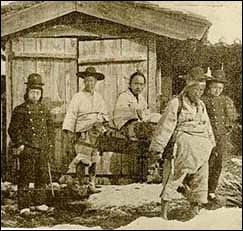
Following the defeat at Ugeumchi, the rebellion fractured. Government and Japanese forces pursued the remaining rebels across various provinces. In the north, the Jonggok Massacre saw thousands of Northern Jeob followers killed in a surprise attack. In the south, the siege of Namwon saw rebels driven from their strongholds through the use of fire against wooden fortifications.
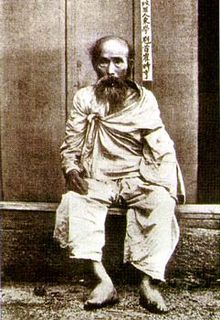
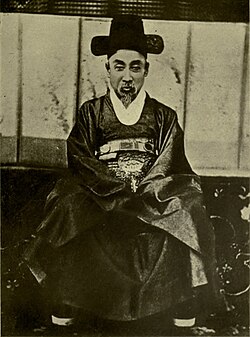
By late 1894, the organized resistance was largely broken. The final major battle in Jeolla Province, the Battle of the Seokdae Fields, saw the death of thousands of rebels. By Christmas 1894, the capture and execution of leaders like Yi Bangeon signaled the end of the organized revolution.
Summary of the Revolution
| Category | Details |
|---|---|
| Primary Belligerents | Joseon, Qing Dynasty, Donghak Rebels, and Japan |
| Estimated Rebel Strength | 15,000 to 300,000 (Southern and Northern Jeobs) |
| Key Military Engagements | Battle of Hwangtojae, Battle of Ugeumchi, Battle of Cheongju |
| Major Result | Suppression of rebels; start of the First Sino-Japanese War |
Legacy and Historical Impact
Though the revolution was suppressed, its spirit lived on. Many former rebels later joined the Righteous Armies that fought against Japanese encroachment in the early 20th century. The movement remains a significant subject of historical debate, particularly regarding whether it was primarily a religious movement or a peasant-led social revolution.
Frequently Asked Questions
What was the main goal of the Donghak followers?
The Donghak followers sought to address social inequalities, protest government corruption, and protect the Korean Peninsula from increasing foreign influence, particularly from Western and Japanese interests.
Why was the Battle of Ugeumchi so significant?
It was the decisive military engagement that broke the back of the rebellion. The rebels' traditional weaponry could not withstand the modern rifles and artillery used by the Japanese and government forces.
Who were the primary leaders of the revolution?
The most prominent leaders included Jeon Bong-jun (the Southern Jeob leader), Kim Gae-nam, Son Byong-hi (the Northern Jeob leader), and Choe Sihyeong.
How did the revolution affect Korean history?
The revolution's suppression and the subsequent involvement of foreign powers contributed to the instability that led to the First Sino-Japanese War and eventually increased Japanese dominance over the Korean Peninsula.
What is the difference between the Northern and Southern Jeobs?
The movement was split into two factions: the Southern Jeob, led by figures like Jeon Bong-jun, and the Northern Jeob, led by figures like Son Byong-hi, which had different regional focuses and leadership structures.