Thomas Fane: The Legacy of the 8th Earl of Westmorland
The life of Thomas Fane serves as a fascinating study of 18th-century British nobility, marked by strategic marriages and a series of significant inheritances that consolidated vast estates across several English counties. From the merchant wealth of Bristol to the ancestral seats of the peerage, Fane's trajectory reflects the complex web of kinship and property that defined the era's upper class.
Family Origins and Early Inheritances
Thomas Fane was born as the second son of Henry Fane of Brympton d'Evercy in Somerset and Anne Scrope. His maternal lineage connected him to a politically charged history; his mother, Anne, and her brother John Scrope were the grandchildren of Colonel Adrian Scrope, a regicide (someone who participates in the killing of a king) of Charles I.
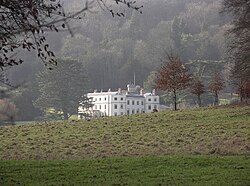
Through these family ties, Thomas Fane came into possession of substantial assets. He inherited the fortune and Bristol mansion of John Scrope, as well as the properties of Colonel Adrian Scrope located in Oxfordshire and Buckinghamshire, most notably Wormsley Park.
Ascension to the Earldom
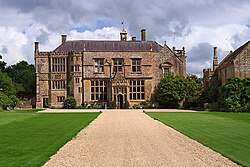
Fane's status grew significantly through two major successions. In 1757, following the death of his unmarried elder brother, Francis, Thomas succeeded to their father's estate at Brympton d'Evercy.
His social standing reached its peak in 1762 when he inherited the title of Earl of Westmorland. The title passed to him from John Fane, the 7th Earl of Westmorland, who was his father's childless second-cousin. This inheritance granted him the ancestral seat of the Earls of Westmorland, Apethorpe Hall in Northamptonshire.
Marriage and Descendants
In 1727, Thomas Fane married Elizabeth Swymmer, the daughter of William Swymmer, a prominent sugar merchant based in Bristol. This union blended landed nobility with the rising wealth of the merchant class. The couple had four children: two sons and two daughters.
- John Fane: Who later became the 9th Earl of Westmorland (1728–1774).
- Henry Fane: (1739–1802).
- Mary Fane: Who married Charles Blair of Whatcomb, Dorset.
Interestingly, Mary's marriage to Charles Blair created a genealogical link to modern literature; Charles Blair was the great-great-grandfather of Eric Arthur Blair, the author better known by his pen name, George Orwell.
Key Facts
- Title: 8th Earl of Westmorland (inherited 1762).
- Primary Estates: Brympton d'Evercy (Somerset), Apethorpe Hall (Northamptonshire), and Wormsley Park (Buckinghamshire).
- Spouse: Elizabeth Swymmer, daughter of a Bristol sugar merchant.
- Notable Ancestor: Colonel Adrian Scrope, a regicide of Charles I.
- Literary Connection: Ancestor of the author George Orwell via his daughter Mary.
| Source of Inheritance | Property/Title Received | Location |
|---|---|---|
| John Scrope | Fortune and Mansion | Bristol |
| Colonel Adrian Scrope | Wormsley Park and other lands | Oxfordshire & Buckinghamshire |
| Francis Fane (Brother) | Brympton Estate | Somerset |
| John Fane (7th Earl) | Earldom of Westmorland & Apethorpe Hall | Northamptonshire |
Frequently Asked Questions
Who was Thomas Fane's father?
Thomas Fane was the second son of Henry Fane of Brympton d'Evercy in Somerset.
How did Thomas Fane become the Earl of Westmorland?
He inherited the title in 1762 from his father's childless second-cousin, John Fane, the 7th Earl of Westmorland.
What is the connection between Thomas Fane and George Orwell?
Thomas Fane's daughter, Mary, married Charles Blair. Charles Blair was the great-great-grandfather of Eric Arthur Blair, who wrote under the pen name George Orwell.
Which estates were associated with Thomas Fane?
His primary estates included Brympton d'Evercy in Somerset, Apethorpe Hall in Northamptonshire, and Wormsley Park in Buckinghamshire.
Who was Elizabeth Swymmer?
Elizabeth Swymmer was the daughter of William Swymmer, a Bristol sugar merchant, and the wife of Thomas Fane.