Theropoda: The Evolutionary Journey from Giant Predators to Modern Birds
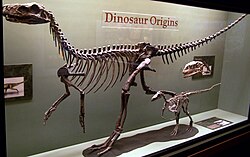
The Theropoda are a diverse clade of saurischian dinosaurs that first appeared in the Late Triassic. While often remembered as the fearsome carnivores of the Mesozoic era, their legacy extends far beyond extinction. Today, theropods live among us in the form of over 11,000 species of birds, making them one of the most successful evolutionary lineages in Earth's history.
From the massive apex predators that dominated the Cretaceous landscape to the tiny hummingbirds of the modern tropics, the theropod lineage is defined by a remarkable capacity for adaptation in size, diet, and physiology.
Key Facts
- Temporal Range: Late Triassic to the present day (233.2–0 Ma).
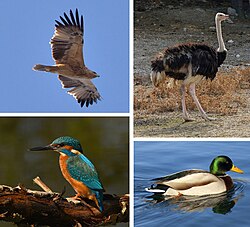
- Modern Descendants: All living birds are classified as maniraptoran theropods within the clade Avialae.
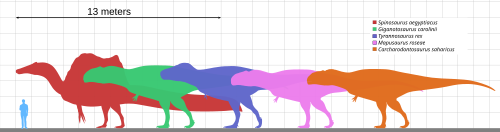
- Size Diversity: Ranges from the 1.9g bee hummingbird to giant species like Spinosaurus.
- Growth Patterns: Non-avian theropods grew significantly faster than modern reptiles.
- Evolutionary Trend: Evidence suggests a continuous shrink in average body size over 50 million years leading to the origin of birds.
Biological Traits and Diversity
Size and Scaling
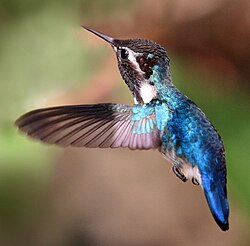
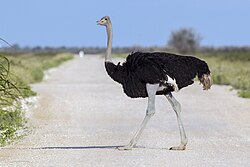
The physical diversity of theropods is staggering. Among extant (living) species, the common ostrich is the largest, reaching heights of 2.74 meters and weighing up to 130 kg. At the opposite extreme, the bee hummingbird (Mellisuga helenae) is the smallest known theropod, weighing only 1.9 grams.
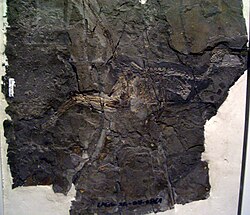
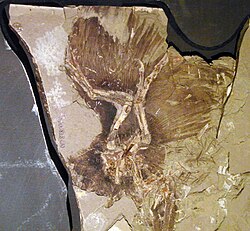
Among extinct non-avian species, Anchiornis huxleyi represents one of the smallest adults, weighing approximately 110 grams. Research indicates that theropod body size shrank continuously over a 50-million-year period, with average masses dropping from 163 kg to 0.8 kg as they evolved into modern birds. This rapid skeletal evolution occurred four times faster than in other dinosaur groups.
Growth Rates and Development
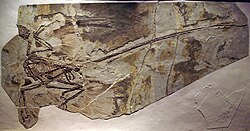
Unlike modern reptiles, non-avian theropods exhibited accelerated growth rates that varied by size. Small theropods, such as Microraptor zhaoianus, grew at roughly double the rate of comparable modern reptiles. Medium-sized species (100–1000 kg) showed growth rates similar to precocial birds (birds that are relatively mature and mobile from hatching).
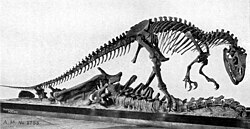
The largest theropods, including Tyrannosaurus rex, followed a growth trajectory similar to the African elephant: a period of rapid growth until reaching maturity, followed by a significant slowdown in adulthood.
Classification and Evolutionary History
The Evolution of Taxonomy
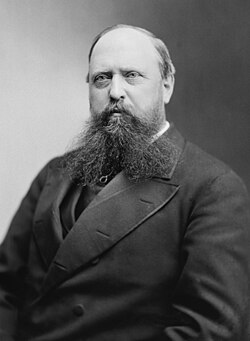
The term "Theropoda" was coined by Othniel Charles Marsh in 1881. In 1956, Alfred Romer revitalized the term to group carnivorous dinosaurs and their descendants. However, the discovery of Deinonychus and Deinocheirus in 1969 challenged existing categories, leading to a more complex system of infraorders.
By the 1980s, the adoption of cladistics (a method of classifying organisms based on shared derived characteristics) clarified these relationships. Jacques Gauthier identified the Tetanurae ("stiff tails") and Ceratosauria as primary branches. This eventually led to the scientific consensus that birds are not merely related to dinosaurs but are a subset of maniraptoran theropods that survived the mass extinction event.
Major Theropod Groups
- Coelophysoidea: Small, early predatory dinosaurs.
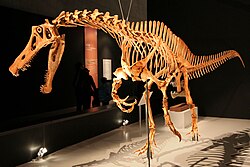
- Tetanurae: A massive group including the semi-aquatic Spinosaurids and the feathered Coelurosauria.
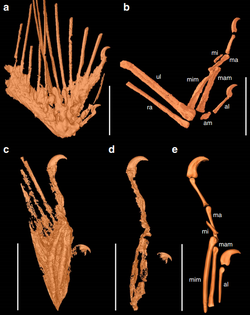
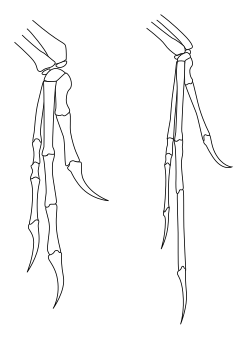
- Maniraptora: "Hand snatchers" characterized by long arms; this group includes the herbivorous Therizinosauria and the predatory Dromaeosauridae.
- Avialae: The lineage containing birds and their closest extinct relatives.
Theropod Summary Table
| Category | Non-Avian Theropods (Extinct) | Avian Theropods (Extant) |
|---|---|---|
| Example Species | Tyrannosaurus rex, Velociraptor | Ostrich, Bee Hummingbird, Sparrow |
| Size Range | Small (110g) to Giant (Multi-ton) | Tiny (1.9g) to Large (130kg) |
| Growth Rate | Fast (Mammal/Bird-like) | Variable (Altricial/Precocial) |
| Key Features | Bipedal, often carnivorous, some feathered | Beaks, wings, feathers, flight (mostly) |
Frequently Asked Questions
Are birds actually dinosaurs?
Yes. Modern scientific classification recognizes birds as a subset of maniraptoran theropod dinosaurs. They are the only lineage of dinosaurs to survive the Mesozoic extinction.
How did theropod growth differ from modern reptiles?
Non-avian theropods grew much faster than modern reptiles. As their body mass increased, their relative growth rate also increased, allowing larger species to reach reproductive maturity more quickly.
What is the smallest known theropod?
The smallest living theropod is the bee hummingbird (Mellisuga helenae), weighing 1.9 grams. The smallest known adult non-avian theropod is Anchiornis huxleyi, weighing about 110 grams.
What does "Tetanurae" mean?
Tetanurae translates to "stiff tails," referring to a structural characteristic of the tail in this major branch of theropods, which includes most of the well-known large carnivores.
Did all theropods eat meat?
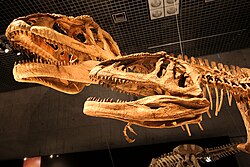
While most were carnivorous, some groups evolved different diets. For example, the Therizinosauria were bipedal herbivores, and Ornithomimosauria were omnivores or possible herbivores.
![The house sparrow, an avian, is the world's most widespread extant wild theropod.[71]](/images/a7/f1/a7f146629c141ffb0190ee86a43c96d75db679b81c2668765c6ed260e966149e.jpg)