Théâtre des Champs-Élysées: A Landmark of Art Deco and Musical History
Located at 15 avenue Montaigne in Paris, the Théâtre des Champs-Élysées is more than just a performance venue; it is a cornerstone of modern architectural history and a witness to some of the most provocative moments in 20th-century art. From its pioneering use of materials to its role in hosting legendary premieres, the theatre continues to be a vibrant hub for opera, concerts, and dance.
The venue consists of three distinct spaces: the grand main hall, which seats 1,905 people, and two smaller venues located above it—the Comédie des Champs-Élysées (601 seats) and the Studio des Champs-Élysées (230 seats).
Key Facts
- Architectural Milestone: The first example of Art Deco architecture in Paris.
- Construction: Built between 1911 and 1913 using reinforced concrete.
- Famous Premiere: Hosted the world premiere of Stravinsky's The Rite of Spring in 1913.
- Status: Designated as a monument historique of France since 1957.
- Current Residents: Home to the Orchestre National de France and the Orchestre Lamoureux.
Architectural Innovation
Commissioned by impresario Gabriel Astruc, the theatre was designed by brothers Auguste and Gustave Perret, following an initial scheme by Henry van de Velde. The building represented a radical departure from the flowing curves of Art Nouveau, opting instead for straight lines, rectangular forms, and a facade adorned with marble and stucco plaques.
The choice of reinforced concrete (concrete strengthened with steel bars) was driven by necessity; the site's proximity to the Seine River and specific subsoil conditions required a more robust foundation than traditional materials could provide. While van de Velde resigned early in the process, the Perret brothers' expertise in concrete ensured the building's structural success.
The exterior is further enhanced by bas-reliefs created by Antoine Bourdelle, while the interior features a dome by Maurice Denis, paintings by Édouard Vuillard and Jacqueline Marval, and a stage curtain by Ker-Xavier Roussel.
A History of Artistic Provocation
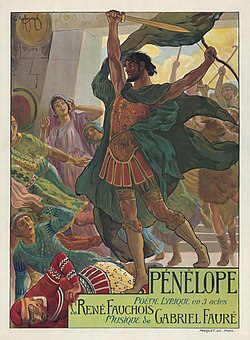
The theatre opened on April 2, 1913, with a gala featuring renowned composers such as Claude Debussy, Gabriel Fauré, and Camille Saint-Saëns. However, it quickly became synonymous with the avant-garde. On May 29, 1913, the Ballets Russes presented the world premiere of Igor Stravinsky's The Rite of Spring.
The performance triggered one of the most famous riots in classical music history. The audience, shocked by the dissonant music and unconventional choreography, erupted into cat-calls and physical altercations, nearly drowning out the orchestra. Despite the chaos, the work eventually became a masterpiece of the modern era.

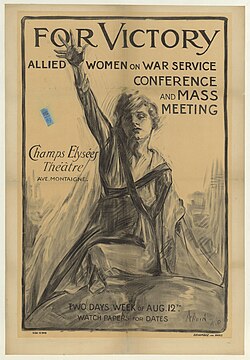
Throughout the early 20th century, the venue remained a magnet for intellectuals and artists. In 1923, it served as a location for Marcel L'Herbier's film L'Inhumaine, attracting figures like Pablo Picasso and James Joyce. In 1924, it hosted the premiere of Francis Picabia's Relâche, a "ballet instantanéist" featuring music by Erik Satie.
The Theatre Today
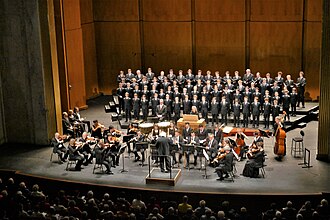
Today, the Théâtre des Champs-Élysées maintains a prestigious schedule. It typically stages three opera productions per year, focusing on baroque or chamber works that fit its intimate stage and orchestra pit. It also serves as a French base for the Vienna Philharmonic Orchestra.
Beyond the music, the building remains a cultural landmark. The Comédie stage has hosted award-winning plays, such as Yasmina Reza's Art in 1994. The building is currently supported by the Caisse des Dépôts et Consignations and even features a rooftop restaurant, Maison Blanche.
| Venue Space | Capacity | Primary Use |
|---|---|---|
| Main Theatre | 1,905 | Opera, Concerts, Dance |
| Comédie | 601 | Plays, Chamber Works |
| Studio | 230 | Intimate Performances |
Frequently Asked Questions
Why is the Théâtre des Champs-Élysées architecturally significant?
It is considered the first example of Art Deco architecture in Paris and was a pioneer in the use of reinforced concrete for a public building, moving away from the Art Nouveau style of the time.
What was the "riot" associated with the theatre?
The riot occurred during the 1913 premiere of Igor Stravinsky's The Rite of Spring, where the audience reacted violently to the work's revolutionary musical and choreographic style.
Who are the current resident orchestras?
The theatre is the home venue for the Orchestre National de France and the Orchestre Lamoureux.
Is the theatre open to the public for more than just shows?
Yes, the building houses the Maison Blanche restaurant on its roof, and its exterior is a public landmark featuring works by Antoine Bourdelle.
Who owns the building now?
The building has been owned by the Caisse des Dépôts et Consignations since 1970.