The Turtles: The Legacy of Sunshine Pop and Rock Pioneers
Formed in Los Angeles, California, in 1965, The Turtles emerged as a defining force in the American pop rock scene. Known for their intricate vocal harmonies and a versatile sound that spanned folk rock, sunshine pop (a bright, melodic style of pop music), and psychedelic pop, the band captured the optimistic spirit of the 1960s while navigating the turbulent waters of the music industry.
From their early days as The Nightriders and The Crossfires to their global superstardom with "Happy Together," The Turtles left an indelible mark on music history. Their journey is one of immense creative success tempered by legal battles and a fascinating evolution into the comedy-rock duo known as Flo & Eddie.
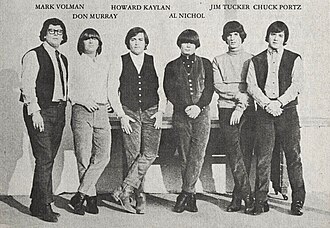
Key Facts
- Signature Hit: "Happy Together" reached number one on the Billboard Hot 100 in 1967.
- Genre Versatility: Their style evolved from folk rock to chamber pop and psychedelic sounds.
- Legal Landmark: A 1989 lawsuit against De La Soul over sampling established a major legal precedent for royalties in rap music.
- Flo & Eddie: Core members Howard Kaylan and Mark Volman performed under these pseudonyms while working with Frank Zappa.
- Active Eras: The group was primarily active from 1965–1970 and again from 1983–2025.
The Rise of a Pop Powerhouse (1963–1966)
The band's path to fame began with a breakthrough cover of Bob Dylan's "It Ain't Me Babe," which hit the Billboard Top 10 in 1965. This success established them as a viable alternative to the folk-rock sound popularized by The Byrds. By 1966, the release of "You Baby" signaled a shift toward a more upbeat, harmony-driven sound, moving the band away from political themes and toward straightforward pop and chamber pop.
Despite their chart success, the lineup was fluid. In early 1966, drummer Don Murray and bassist Chuck Portz left the group. They were eventually replaced by drummer John Barbata and bassist Chip Douglas, the latter of whom would become pivotal to the band's sonic evolution.
The Peak Years and "Happy Together" (1966–1968)
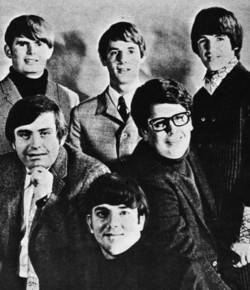
The Turtles reached their commercial zenith in 1967 with the release of "Happy Together." Co-written by Garry Bonner and Alan Gordon and arranged by Chip Douglas, the song became their signature hit, spending three weeks at number one on the Billboard Hot 100. This era saw the band embrace a more lucrative and polished sound, producing other hits like "She'd Rather Be with Me," "You Know What I Mean," and "She's My Girl."
The band's success attracted industry attention; Michael Nesmith of The Monkees recruited Chip Douglas to produce their albums, leading to Douglas's departure from The Turtles. He was replaced by bassist Jim Pons. By the end of 1967, rhythm guitarist Jim Tucker also left the group due to the pressures of touring.
Experimental Ventures and the Battle of the Bands
In 1968, the band released the ambitious concept album The Turtles Present the Battle of the Bands. In this project, the group pretended to be 11 different bands, each performing in a different genre. This experimental approach yielded two more Top 10 hits: "Elenore" and "You Showed Me." While the singles were successful, the album itself saw modest sales.
Commercial Decline and the Break-up (1969–1970)
By 1969, the band's commercial momentum began to fade. They released Turtle Soup, an album produced by Ray Davies of The Kinks. Although the music press praised the record for its quality, it failed to achieve significant commercial success. Plagued by management disputes, lawsuits, and conflicts with their label, White Whale Records, the band officially split in 1970.
| Year | Album/Single | Key Achievement |
|---|---|---|
| 1965 | "It Ain't Me Babe" | Billboard Top 10 breakthrough |
| 1967 | "Happy Together" | #1 on Billboard Hot 100 |
| 1968 | "Elenore" | #6 on US Charts / #7 in UK |
| 1969 | Turtle Soup | Produced by Ray Davies (The Kinks) |
| 1969 | "You Showed Me" | Final Top 10 single |
The Flo & Eddie Era and Later Years
Following the split, Howard Kaylan and Mark Volman joined Frank Zappa's Mothers of Invention. Due to contractual restrictions with White Whale Records, they could not use their real names and adopted the pseudonyms Flo & Eddie. After leaving Zappa in 1971, they continued as a comedy-rock duo and became highly sought-after session musicians for legends such as John Lennon, Bruce Springsteen, and Alice Cooper.
In 1983, Kaylan and Volman legally regained the rights to the name "The Turtles" and began touring as The Turtles featuring Flo & Eddie. They spent the following decades performing on various "oldies" tours and releasing retrospective collections.
A Legal Precedent in Hip-Hop
The duo made a significant impact on music law in 1989. When the hip-hop group De La Soul sampled "You Showed Me" on their debut album 3 Feet High and Rising, Kaylan and Volman sued for copyright damages. The resulting out-of-court settlement of $1.7 million established a critical legal precedent, forcing the music industry to properly credit and pay royalties for sampled works.
Final Years and Personnel
The band's journey saw several losses over the years. Original drummer Don Murray passed away in 1996, followed by rhythm guitarist Jim Tucker in 2020 and drummer John Barbata in 2024. Howard Kaylan ceased touring in 2018, with Ron Dante stepping in as lead vocalist. Mark Volman continued to lead the group until his death in September 2025.
Frequently Asked Questions
Why did the band members change their names to Flo & Eddie?
When Howard Kaylan and Mark Volman joined Frank Zappa's Mothers of Invention, their contract with White Whale Records prohibited them from using their real names. They adopted the nicknames "Flo" (Volman) and "Eddie" (Kaylan) to bypass these legal restrictions.
What was the significance of the De La Soul lawsuit?
The lawsuit over the sampling of "You Showed Me" resulted in a $1.7 million settlement. This case set a legal precedent that required artists to credit and pay royalties for sampled music, fundamentally changing how rap and electronic music are produced and licensed.
Which song was the band's biggest hit?
Their biggest hit was "Happy Together," released in 1967. It reached number one on the Billboard Hot 100 and remains their most enduring signature song.
Who produced the album Turtle Soup?
Turtle Soup was produced by Ray Davies of The Kinks. It was the only time Davies produced a full released album for another band.
When did the band officially break up the first time?
The Turtles originally broke up in 1970 due to a combination of waning commercial success and severe conflicts with their management and record label, White Whale Records.