The New Yorker: A Century of Literary and Cultural Influence
Since its inception in 1925, The New Yorker has stood as a titan of American journalism and literature. Based in New York City and published by Condé Nast, the magazine has evolved from a sophisticated city guide into a global authority on politics, culture, and social issues. Known for its rigorous standards and distinct aesthetic, it blends high-brow intellectualism with sharp humor and world-class storytelling.
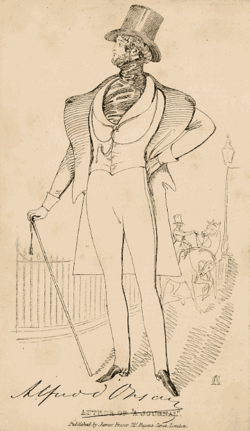
The magazine's identity was forged on February 21, 1925, with its first issue featuring the iconic dandy figure, Eustace Tilley, created by Rea Irvin. This figure came to symbolize the magazine's early blend of urbanity and wit.
Key Facts
- Founded: February 21, 1925.
- Current Editor: David Remnick.
- Publisher: Condé Nast (owned by Advance Publications).
- Circulation: 1,319,919 as of October 2025.
- Frequency: 47 issues per year.
- Core Content: Politics, social issues, short fiction, humor, and culture.
Editorial Excellence and Style
The New Yorker is renowned for its uncompromising approach to fact-checking—the process of verifying every claim and detail within a story to ensure absolute accuracy. This commitment to precision is matched by a meticulous approach to grammar and style, often discussed by the magazine's own contributors, such as Mary Norris, who has written extensively on the nuances of commas and the diaeresis (a mark used to indicate a vowel is pronounced separately).
Visual Identity and Covers
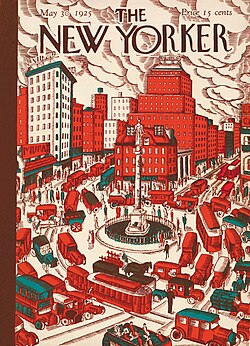
The magazine's covers are as famous as its prose. From the early work of Ilonka Karasz to the modern satire of Barry Blitt, the artwork often serves as a visual editorial. While many covers are celebrated, some have sparked significant controversy. Notable examples include the 1993 Crown Heights cover, a 2008 satire of Barack Obama, a 2013 depiction of Bert and Ernie, and the 2023 "Race for Office" cover featuring Joe Biden and Donald Trump with walkers.
Beyond the covers, the magazine is a hub for comics journalism, crosswords, and puzzles, including a weekly cryptic crossword and the daily trivia game "Name Drop."

Political Influence and Endorsements
The New Yorker frequently weighs in on United States presidential elections, providing endorsements that reflect its editorial stance on national leadership.
| Year | Endorsement | Result | Other Major Candidate(s) |
|---|---|---|---|
| 2004 | John Kerry | Lost | George W. Bush |
| 2008 | Barack Obama | Won | John McCain |
| 2012 | Barack Obama | Won | Mitt Romney |
| 2016 | Hillary Clinton | Lost | Donald Trump |
| 2020 | Joe Biden | Won | Donald Trump |
| 2024 | Kamala Harris | Lost | Donald Trump |
From Page to Screen
The magazine's influence extends into cinema, both through documentaries about its own history—such as The New Yorker at 100 (2025)—and through the adaptation of its articles into feature films. The magazine has served as the source material for numerous acclaimed movies, ranging from the true-crime depth of Truman Capote's In Cold Blood to the emotional resonance of Annie Proulx's Brokeback Mountain.
Notable Film Adaptations
- In Cold Blood (1967): Based on the serialized reportage by Truman Capote.
- Brokeback Mountain (2005): Based on the short story by Annie Proulx.
- The Secret Life of Walter Mitty (2013): Based on the story by James Thurber.
- Spiderhead (2022): Based on "Escape from Spiderhead" by George Saunders.
- Coyote vs. Acme (2026): Based on the work of Ian Frazier.
Frequently Asked Questions
Who is Eustace Tilley?
Eustace Tilley is the dandy figure created by Rea Irvin who appeared on the cover of the first issue of The New Yorker on February 21, 1925, becoming a lasting symbol of the magazine's sophisticated identity.
What makes The New Yorker's editing process unique?
The magazine is famous for its rigorous fact-checking and a strict adherence to a specific house style, ensuring that every detail in its long-form journalism and fiction is accurate and polished.
Does The New Yorker endorse political candidates?
Yes, the magazine provides endorsements for U.S. presidential elections, having supported candidates such as Barack Obama, Joe Biden, and Kamala Harris in recent cycles.
How many issues does the magazine publish annually?
The New Yorker typically publishes 47 issues per year.
Has the magazine's content been adapted for film?
Yes, many of its short stories and articles have been turned into movies, including The Hours, Adaptation, and Angela's Ashes.