The Church of Jesus Christ of Latter-day Saints
The Church of Jesus Christ of Latter-day Saints is a global Restorationist Christian organization, meaning it seeks to restore the original church established by Jesus Christ. Founded in the early 19th century in the United States, the church has grown from a small group of believers in New York to a worldwide faith with millions of members and a significant cultural and humanitarian footprint.
While often referred to informally as the Mormon Church or the LDS Church, leadership has emphasized the use of its full name to center the faith's focus on Jesus Christ.
Key Facts
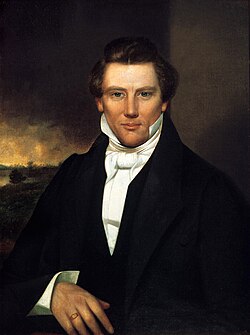
- Founder: Joseph Smith, who organized the church on April 6, 1830.
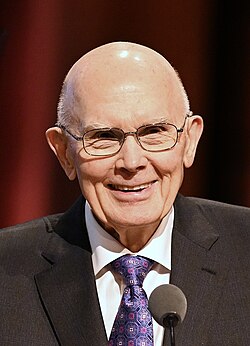
- Current President: Dallin H. Oaks.
- Membership: Approximately 17,887,212 members across 32,046 congregations (2025).
- Missionary Force: 114,727 active missionaries (2025).
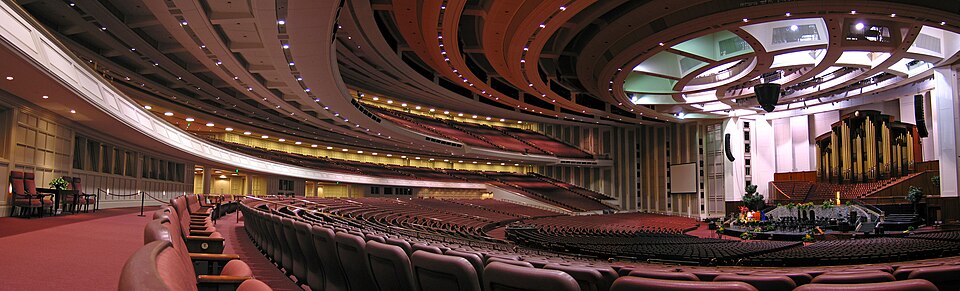
- Headquarters: Salt Lake City, Utah.
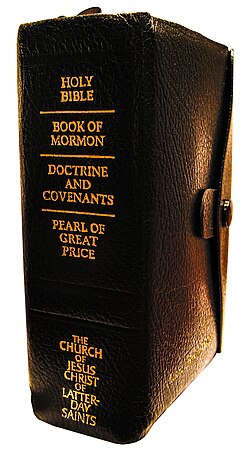
- Core Scriptures: The Standard Works.
History and Evolution
Beginnings and the Prophet Joseph Smith
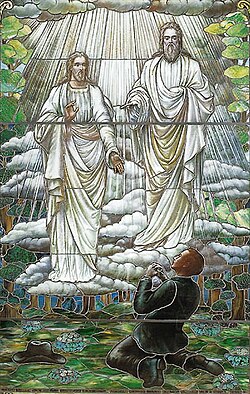
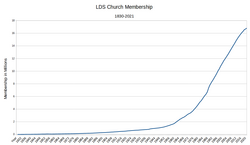
The church began in Fayette, New York, when Joseph Smith reported being called as a modern-day prophet following visitations from God the Father and Jesus Christ. Originally organized as the Church of Christ, the movement grew rapidly during its first decade, expanding from 680 members in 1831 to over 17,000 by 1838.
However, the early years were marked by tension. This period of instability culminated in 1844 when Joseph Smith was killed at Carthage Jail.

The Pioneer Era and the Move West
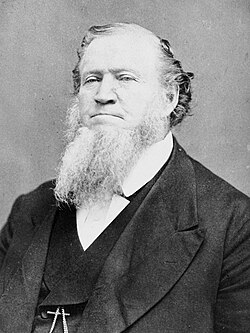
Following Smith's death, Brigham Young assumed leadership of the church. He led the Latter-day Saints on a massive migration across the American plains to the Salt Lake Valley to escape persecution and establish a new home.
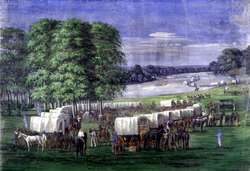
This journey involved thousands of pioneers crossing the Nebraska plains. Notably, historical records indicate that Green Flake, an enslaved Black man, drove the first wagon of pioneers into the Salt Lake Valley in 1847.

Modern Expansion
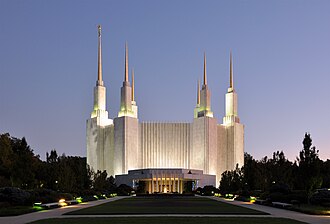
In the latter half of the 20th century, the church experienced prodigious numerical growth globally, though this growth has leveled off in recent years. The church has expanded its infrastructure, including the construction of the Washington D.C. Temple in 1974, the first in the eastern U.S. since 1846.
Core Beliefs and Doctrine
The Nature of God and Christ
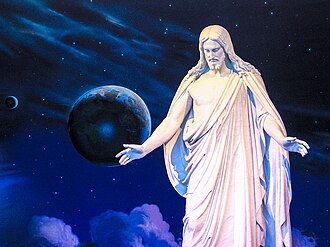
The church holds a nontrinitarian view of the Godhead, differing from traditional Nicene Christianity. Central to their faith is the belief in the resurrection of Jesus Christ, a cornerstone of their plan of salvation.
Sources of Authority
The written canon of the church is known as the Standard Works. Adherents believe that divine revelation continues through a living prophet and apostles who lead the church hierarchically.
Family and Eternal Sealings
Family is central to Latter-day Saint theology. The church teaches that marriages performed in temples, known as sealings, can continue beyond death, binding families together eternally.

Practices and Organization

Worship and Rituals
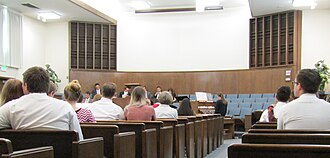
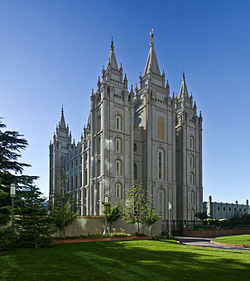
Members participate in weekly Sunday sacrament meetings, which are the primary congregational gatherings. Beyond local meetings, the church operates temples—such as the Salt Lake Temple—where the most sacred ordinances are performed.
Missionary Service
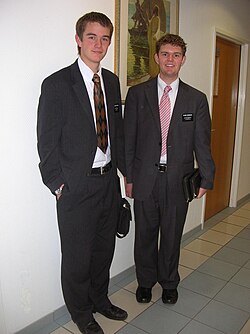
A hallmark of the faith is its missionary program. Young adults and couples typically commit to 18–24 months of full-time service to share their beliefs worldwide.
Education, Arts, and Genealogy
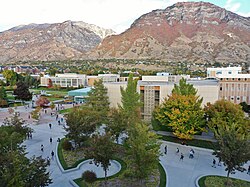
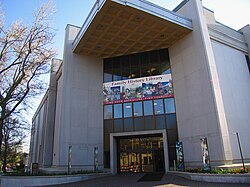
The church sponsors several educational institutions, including Brigham Young University in Provo, Utah. It also maintains the world's largest library dedicated to genealogical research, reflecting the belief in the importance of family history.
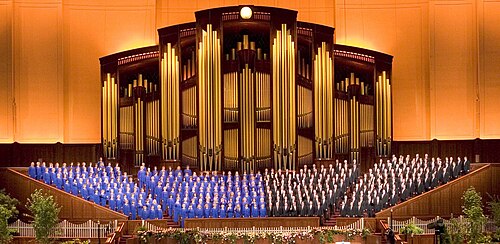
Cultural contributions include the Tabernacle Choir at Temple Square, which has traveled extensively and received numerous awards.
Institutional Reach and Impact
Humanitarian Efforts
The church operates extensive philanthropic programs, providing food, medical supplies, and disaster relief globally, such as donating humanitarian supplies to Beirut, Lebanon, in 2006.

Demographics and Society
According to Pew Research (2014), Latter-day Saints in the U.S. show higher rates of marriage (66%) and weekly religious attendance (77%) compared to the general U.S. population. While predominantly white (85%), the church has a growing global presence across various ethnicities.
| Metric | LDS (U.S.) | U.S. General |
|---|---|---|
| Married | 66% | 49% |
| Weekly Religious Attendance | 77% | 40% |
| White Ethnicity | 85% | 62% |
| Latino Ethnicity | 8% | 12% |
Controversies and Criticisms
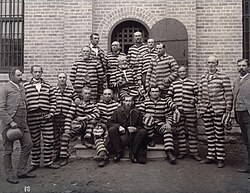
The church has faced various criticisms over its history. These include the practice of polygamy (plural marriage) in the 19th century, which led to legal conflicts and imprisonment for some members.
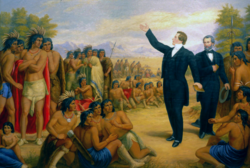
Other areas of controversy include the church's historical treatment of Black and Native American people, financial transparency regarding its investment funds, and its stance on LGBTQ+ issues, which has occasionally led to public protests.

Frequently Asked Questions
Who founded the church?
The church was founded by Joseph Smith on April 6, 1830, in Fayette, New York, after he reported receiving visitations from God and Jesus Christ.
What are the Standard Works?
The Standard Works refer to the written canon of scriptures used by the church to guide its doctrine and practice.
What is a temple sealing?
A sealing is a marriage ceremony performed in a temple that the church teaches can bind a couple and their children together eternally, continuing after death.
How long do missionaries serve?
Most full-time missionaries commit to a period of 18 to 24 months of service.
Where is the church headquartered?
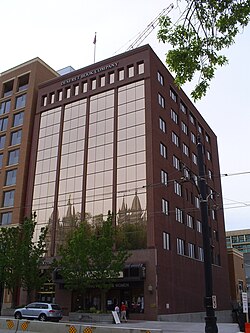
The church is headquartered in Salt Lake City, Utah, where the Salt Lake Temple and other major administrative buildings are located.