The British Social Season: From Aristocratic Tradition to Modern Spectacle
For centuries, the social season has served as the heartbeat of the British elite, blending politics, romance, and prestige into a choreographed annual calendar. What began as a strategic gathering of the nobility and landed gentry in London has evolved into a diverse array of sporting, artistic, and royal events that continue to captivate the public imagination today.
In its traditional form, the season was designed for those whose primary residences were country estates. These families migrated to the capital for several months to engage in political maneuvering and social networking. The timing was not accidental; the season coincided with the sitting of Parliament, beginning after Christmas and concluding in late June.
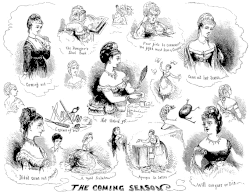
The Traditional London Season
During the 17th and 18th centuries, the season peaked as a vital mechanism for the British upper class. While exclusive public venues like Almack's were popular, the most prestigious gatherings took place within the private townhouses of the aristocracy. Because the House of Lords consisted of nobility and the House of Commons was largely composed of gentry, the social calendar was inextricably linked to the political life of the nation.
The Role of the Debutante
Beyond politics, the season was the primary venue for introducing the children of the nobility to society. Debutantes—young women of marriageable age—were formally presented to the monarch during Court Drawing Rooms and the celebrated Queen Charlotte's Ball. This tradition persisted until 1958, when Queen Elizabeth II abolished the practice, reportedly at the insistence of Prince Philip, Duke of Edinburgh.
While the official royal presentation ended, the spirit of the debutante lived on in private circles. Queen Charlotte's Ball ceased in 1976 but was later relaunched by former debutante Jennie Hallam-Peel; however, the modern version lacks royal involvement, with debutantes now curtsying to a "Queen Charlotte's Birthday Cake" instead of the monarch.
Decline and Transition
The First World War marked a turning point. Many aristocratic families abandoned their London townhouses, leading to a shift toward public venues and a gradual loss of exclusivity. Some historians point to the opulent coming-out party for Lady Sarah Consuelo Spencer-Churchill at Blenheim Palace on July 7, 1939, as "the last season ever," occurring just two months before the outbreak of World War II.
Traditionally, the season ended on the "Glorious Twelfth" of August, signaling the start of the shooting season. The elite would then retreat to the countryside for autumn bird shooting and winter fox hunting. Some would stop at the Harrogate Spa on their journey north to "take in the waters" during the Harrogate Season.
The Modern British Season
Today, the British Season is more open and geographically dispersed. While still often called the London Social Season, many events now take place across the UK and are frequently sponsored by large corporations. Despite this modernization, certain events maintain strict Western dress codes, particularly those involving the monarchy.
The modern calendar is carefully coordinated to avoid date clashes, allowing enthusiasts to attend multiple highlights throughout the year.
| Category | Key Events |
|---|---|
| The Crown | Trooping the Colour, Garter Service, Royal Garden Parties, Royal Edinburgh Military Tattoo |
| Equestrianism | Royal Ascot, Cheltenham Gold Cup, Grand National, Epsom Derby, Glorious Goodwood |
| Sport | Wimbledon, Henley Royal Regatta, The Boat Race, British Grand Prix, Lord's Test Match |
| Arts & Horticulture | Chelsea Flower Show, The Proms, Glyndebourne Opera Festival, Royal Academy Summer Exhibition |
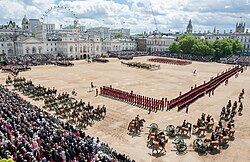
Strict Traditions and Dress Codes
Dress codes remain a defining feature of the season's most exclusive enclosures, serving as a gatekeeping mechanism for social exclusivity.
Royal Ascot
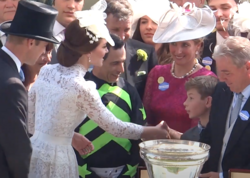
In the Royal Enclosure, gentlemen must wear black or grey morning dress with a waistcoat and top hat. Top hats must be removed in restaurants, private boxes, and certain gardens. Ladies are required to wear hats and must ensure that shoulders and midriffs are covered. In the Queen Anne Enclosure, the rules are slightly relaxed, requiring lounge suits and ties for men and hats for women.
Henley Royal Regatta
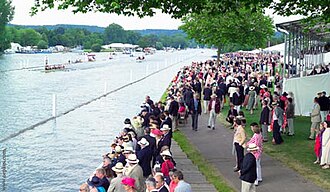
The Stewards' Enclosure maintains an "Edwardian garden party" atmosphere. Gentlemen are expected to wear lounge jackets and ties, with rowing club blazers and boaters encouraged. For ladies, skirt hems must fall below the knee, a requirement strictly enforced by Stewards' Officers at the entrance.
Polo and Tennis
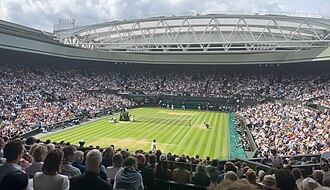
At polo matches, gentlemen typically wear blazers and white trousers. Ladies are advised to wear flat shoes to avoid sinking into "divots"—the clods of turf kicked up by horses. At the Guards Polo Club, members are identified by gold and enamel badges.
Regional and Colonial Variations
The Scottish and Irish Seasons
Historically, the London season was followed by a ten-week Scottish season in the Highlands. This period was more relaxed, centered on hunting and the semi-private Hunt Ball. In contrast, the Irish Social Season ran from January to St. Patrick's Day, centered around the Lord Lieutenant of Ireland's residence in Dublin Castle. This season declined following the Act of Union in 1801 and effectively ended with the creation of the Irish Free State in 1922.
The Global Reach of the Season
The concept of the social season extended to British colonies, usually revolving around the local Government House. In British India, the "cold season" (October to April) featured the presentation of debutantes, known as the "fishing fleet," and concluded with the Viceroy's Ball. In Egypt, the Cairo season ran from November to April, featuring visits to the pyramids and the court of the Khedive.
Other regions, such as Australia and New Zealand, had more fluid and less formal high societies. In Hong Kong and Shanghai, the season was dictated by the climate, with residents moving to "the Peak" in Hong Kong to escape the summer heat.
Key Facts
- Traditional Timing: The original London season ran from after Christmas until late June, coinciding with Parliament.
- The Glorious Twelfth: August 12th traditionally marked the end of the season and the start of bird shooting.
- Debutantes: Young women were presented to the monarch until the practice was abolished in 1958.
- Dress Code Rigor: Events like Royal Ascot and Henley Royal Regatta still enforce strict attire rules to maintain exclusivity.
- Colonial Influence: Similar social seasons existed in India, Egypt, and China, often centered on the Governor's or Viceroy's residence.
Frequently Asked Questions
What is a debutante?
A debutante is a young woman from an aristocratic or upper-class family who is formally introduced to society, traditionally through a presentation to the monarch.
Why is the dress code so strict at Royal Ascot?
The strict dress code, particularly in the Royal Enclosure, is intended to maintain the event's socially exclusive character and uphold long-standing traditions of formal Western attire.
When did the traditional London social season decline?
The traditional season began to decline after the First World War as aristocratic families gave up their London townhouses in favor of more public venues.
What was the "fishing fleet" in British India?
The "fishing fleet" was the term used for debutantes who arrived in India during the cold season (October to April) to seek marriage partners among the colonial elite.
How did the Irish social season differ from the London one?
The Irish season was centered in Dublin from January to St. Patrick's Day and revolved around the activities of the Lord Lieutenant of Ireland at Dublin Castle.