The Boys Production: Behind the Scenes of Sarah Polley's Guest Appearance
Creating a high-energy episode of a hit series requires a blend of precise planning and creative risk-taking. For this particular installment of The Boys, the production team leaned into a high-pressure filming style to mirror the chaotic energy of the narrative, while bringing a surprising talent back to the screen.
Development and Creative Leadership
The episode was crafted by the series' core creative team. It was written by co-creator Peter Huyck and directed by co-creators Seth Rogen and Evan Goldberg, ensuring the episode remained consistent with the show's established tone and vision.
Sarah Polley's Return to Acting
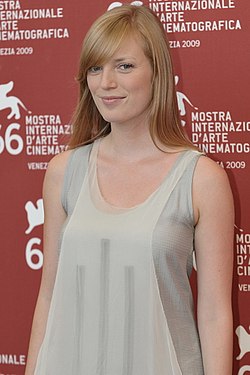
One of the most notable aspects of the episode is the guest appearance of Sarah Polley. Having stepped away from acting for 17 years to focus on her directing career, Polley's return was a calculated decision. While promoting her film Women Talking, Polley sought advice from Seth Rogen, who suggested she join the series.
Polley noted that any return to acting needed to happen after a significant hiatus and involve a role completely different from her previous work. She embraced the opportunity to play a version of herself that becomes increasingly impatient, describing the experience as "extraordinarily therapeutic." While she played a character based on herself for entertainment purposes, she joked that she had managed to direct four films without a similar on-set meltdown.
The Technical Challenge of the "Oner"
To capture the sense of panic and mania inherent in the story, Rogen and the crew utilized a oner—a continuous long take that avoids traditional cuts. This technique was designed to emphasize the compressed nature of the timelines and the escalating tension of the plot.
Cinematographer Adam Newport-Berra detailed the rigorous preparation required for this format. The crew recorded lines on location and timed them meticulously to determine how to transition seamlessly between different scenes and blend two separate locations. To execute the car driving sequences smoothly, the production employed a Ronin gimbal, a motorized stabilizer that keeps the camera steady during movement.
The Filming Schedule
The production of the 40-page script was an exercise in discipline. The team split the filming into four days, with each day focusing on a 10-page segment. The daily routine involved rehearsing from 10:00 am to 5:00 pm, followed by the actual filming from 5:00 pm to 6:30 pm. Rogen admitted concerns regarding the lighting during these late shoots, but the final take—the very last one attempted—proved to be perfect.
Key Facts
- Directorial Team: Directed by Seth Rogen and Evan Goldberg; written by Peter Huyck.
- Acting Hiatus: Sarah Polley returned to acting after a 17-year break.
- Cinematography: Used a "oner" (continuous shot) to convey mania and panic.
- Equipment: A Ronin gimbal was used for vehicle sequences.
- Production Pace: 40 pages of script filmed over four days in 10-page increments.
| Category | Detail |
|---|---|
| Writer | Peter Huyck |
| Directors | Seth Rogen & Evan Goldberg |
| Guest Star | Sarah Polley |
| Cinematographer | Adam Newport-Berra |
| Filming Duration | 4 Days |
Frequently Asked Questions
Why did Sarah Polley decide to act in this episode?
After a 17-year break to focus on directing, Polley wanted to return to acting only if the role was entirely different from her past work. Seth Rogen suggested the guest appearance, and she found the idea of playing an impatient version of herself entertaining and therapeutic.
What is a "oner" in cinematography?
A oner is a single, continuous long take that lasts for a significant portion of a scene or episode without any cuts, used here to capture the feeling of panic and compressed timelines.
How did the crew handle the transitions in the long take?
Cinematographer Adam Newport-Berra and the crew recorded lines on location and timed them to figure out how to blend different locations and move from one scene into another seamlessly.
What equipment was used for the driving scenes?
The production used a Ronin gimbal to ensure the camera remained stable during the car sequences.
How was the filming schedule structured for the script?
The 40-page script was divided into four 10-page sections. Each section was rehearsed from 10 am to 5 pm and filmed between 5 pm and 6:30 pm over four days.