Thatching: The Ancient Art and Science of Natural Roofing
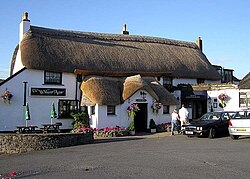
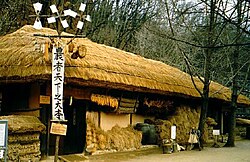
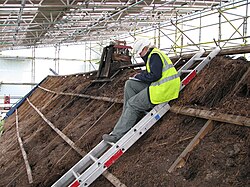
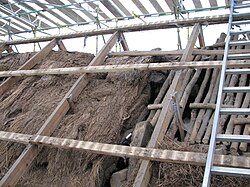
Thatching is the traditional craft of constructing a roof using dry vegetation. By layering materials such as straw, water reed, sedge, rushes, heather, or palm branches, builders create a structure designed to shed water away from the interior. Beyond mere weatherproofing, the dense packing of these organic materials traps air, providing exceptional natural insulation.
This ancient roofing method is utilized globally, spanning both tropical and temperate climates. While it remains a vital, low-cost solution in many developing nations, it has seen a resurgence in developed countries among those seeking rustic aesthetics, ecological sustainability, or the preservation of historic properties.
Key Facts
- Natural Insulation: Trapped air within the vegetation helps keep buildings warm in winter and cool in summer.
- Material Variety: Common materials include wheat straw, water reed, and various palm species.
- Longevity: High-quality straw thatch can last over 50 years if maintained by a skilled craftsman.
- Sustainability: Thatch is a lightweight, renewable, and ecologically friendly roofing option.
- Maintenance: In temperate climates like the UK, the ridge typically requires replacement every 12–15 years.
A Global History of Thatch
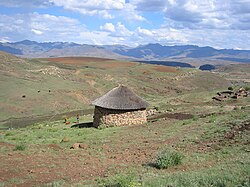
Thatching methods have been passed down through generations for centuries. In equatorial regions, thatch is often the primary material for both roofs and walls. For example, ancient Hawaiian hale shelters utilized local ti leaves, lauhala, or pili grass.
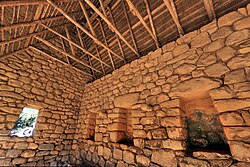
The Americas also possess a rich history of fiber-based roofing. Indigenous civilizations, including the Maya, the Inca, and the Aztec (Triple Alliance), utilized thatched structures. In the Yucatán Peninsula, many modern settlements still employ construction methods that closely resemble those of their ancestors.
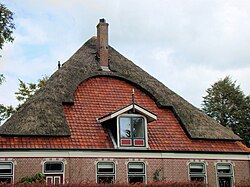
In Europe, particularly England, thatch was the primary roofing material for the rural population until the late 1800s. The expansion of canals and railways eventually made materials like Welsh slate more accessible, leading to a decline in thatch. However, the trend has reversed in recent decades; once viewed as a sign of poverty, thatched roofs are now often seen as symbols of wealth and historic preservation.
Materials and Construction Techniques
Straw and Reed
The quality of thatch is heavily influenced by agricultural practices. In England, the introduction of the combine harvester and short-stemmed wheat varieties in the mid-20th century initially reduced the availability of high-quality long-stemmed straw. However, since the 1980s, a return to growing "heritage" varieties like Rampton Rivet and April Bearded has improved material quality.
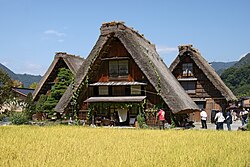
Water reed is another prominent material, traditionally used in a "one coat" application. While once common in East Anglia, much of the water reed used in the UK today is imported from regions such as Turkey, Eastern Europe, China, and South Africa. A well-installed water reed roof can last approximately 40 years.
Palm and Other Vegetation
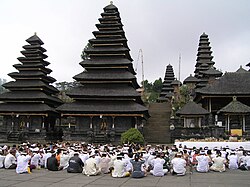
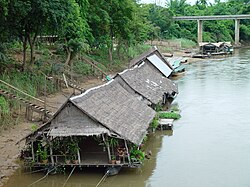
In tropical regions, palm leaves are a staple. In the southeastern United States, Native and pioneer houses often used palmetto-leaf thatch. In East Africa, Makuti thatching utilizes the Cocos nucifera (coconut palm).
Performance: Advantages and Disadvantages
Thatch offers several functional benefits. It is naturally weather-resistant and, when installed with a pitch of at least 50 degrees, allows precipitation to run off quickly. Because it is lighter than slate or tile (typically around 34 kg/m²), it requires less heavy timber for the supporting roof structure.
However, there are challenges to consider:
- Fire Risk: Thatch is flammable, which can make insurance more difficult and expensive.
- Pests: Birds may forage for grubs within the thatch, and rodents can be attracted to residual grain in straw.
- Cost: Due to the labor-intensive nature of the craft, it is generally more expensive than modern alternatives.
Summary of Thatching Characteristics
| Material Type | Common Regions | Primary Benefits |
|---|---|---|
| Straw (Wheat/Rye) | Europe, UK | Excellent insulation, traditional aesthetic |
| Water Reed | East Anglia, International | Durability, long lifespan |
| Palm Leaves | Tropics, SE USA, Africa | Readily available in equatorial climates |
| Sedge/Rushes | Temperate Wetlands | Local availability in marshy areas |
Frequently Asked Questions
How long does a thatched roof last?
The lifespan depends on the material and the skill of the thatcher. High-quality straw can last over 50 years, while modern imported water reed typically lasts around 40 years on an average English roof.
Is thatch a fire hazard?
Yes, thatch is flammable, which is why it can be harder to insure. On new buildings, a fire retardant barrier can be installed over the rafters to mitigate this risk.
Why does thatch need maintenance?
Over time, the surface of the thatch composts and is washed away by wind and rain. The ridge usually needs replacing every 12–15 years to maintain the roof's integrity.
Does thatch provide good insulation?
Yes. The air pockets trapped within the densely packed vegetation act as a natural insulator, helping to keep buildings warm in the winter and cool in the summer.
What is the ideal roof pitch for thatch?
A pitch of at least 50 degrees is recommended to ensure precipitation runs off the slope quickly before it can penetrate the structure.