Tex Avery: The Master of Golden Age Animation
Few figures have shaped the landscape of American comedy as profoundly as Tex Avery. A visionary animator, director, and voice actor, Avery was a primary architect of the Golden Age of American animation. His work is characterized by a fearless approach to timing, a penchant for the surreal, and a relentless drive to push the boundaries of what was possible on screen.
From the zany energy of Warner Bros. to the polished absurdity of Metro-Goldwyn-Mayer (MGM), Avery's influence can be seen in nearly every modern cartoon that utilizes exaggerated physics and rapid-fire gags.
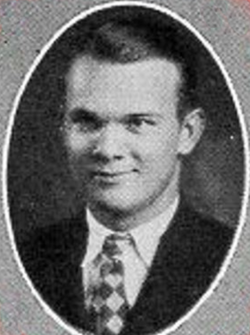
Key Facts
- Full Name: Frederick Bean Avery
- Active Years: 1928–1980
- Major Studios: Leon Schlesinger Productions (Warner Bros.), MGM, Walter Lantz Productions, and Hanna-Barbera.
- Key Characters: Instrumental in developing Bugs Bunny, Daffy Duck, and Porky Pig (Warner Bros.), and creating Droopy and Screwy Squirrel (MGM).
- Legacy: Known for pioneering the "screwball" style of animation and removing restrictive song breaks from color cartoons.
Early Life and Education
Born Frederick Bean Avery on February 26, 1908, in Taylor, Texas, Avery was the son of George Walton Avery and Mary Augusta "Jessie" Bean. His early creative instincts were evident during his school years, where he blended his love for drawing with a sharp sense of humor.
The Rise of a Visionary: From Inker to Director
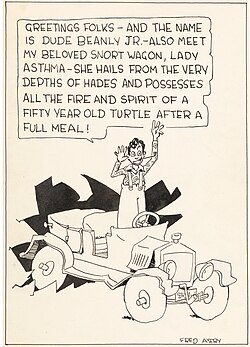
Avery began his professional journey in the late 1920s, working for Winkler Pictures and later Walter Lantz Productions. During the early 1930s at Universal, he contributed to the Oswald the Lucky Rabbit series, honing his skills as an animator before transitioning into directing.
The "Termite Terrace" Era
Avery's move to Leon Schlesinger Productions marked a turning point in animation history. Working in the legendary "Termite Terrace" studio, he led a unit that included future legends Bob Clampett, Chuck Jones, Sid Sutherland, and Virgil Ross. His 1935 short, Gold Diggers of '49, introduced a level of tongue-in-cheek humor and a redesigned Porky Pig that departed from the standard style of the time.
Avery was also a disruptor of industry norms. In 1937, with the short Uncle Tom's Bungalow, he became the first to eliminate mandatory song breaks in color cartoons, arguing that such interruptions ruined the comedic timing and flow of the story.
The MGM Years and the "Screwball" Style
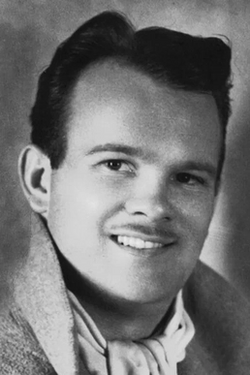
In 1942, Avery joined MGM, where he refined his signature style of extreme exaggeration and surrealism. He created a gallery of iconic characters, including the deadpan Droopy, the chaotic Screwy Squirrel, and the glamorous Red Hot Riding Hood.
Despite his success, the pressure of production led to a sabbatical in 1950 to recover from overwork. He returned in 1951, producing final masterpieces like Deputy Droopy and Cellbound before being terminated from the studio in March 1953. He subsequently returned to Walter Lantz Productions and later worked with Cascade Studios.
Later Life and Lasting Influence
The latter part of Avery's life was marked by personal tragedy, including the loss of his son and the end of his marriage to Patricia Johnson. Despite these hardships, he remained a respected figure among his peers. In his final years, he worked briefly with Hanna-Barbera before passing away on August 26, 1980, at the age of 72.
Avery's legacy is preserved through the Tex Avery Screwball Classics Blu-ray collections, which restored many of his MGM shorts that were nearly lost in a 1978 fire at the George Eastman House. His influence persists in the works of modern animators and was honored by France in 2008 with a series of commemorative postage stamps.
Career Summary
| Period | Employer | Key Contributions/Characters |
|---|---|---|
| 1928–1929 | Winkler Pictures | Early animation work |
| 1929–1935 | Walter Lantz Productions | Oswald the Lucky Rabbit |
| 1935–1941 | Leon Schlesinger (Warner Bros.) | Bugs Bunny, Daffy Duck, Porky Pig |
| 1942–1955 | MGM | Droopy, Screwy Squirrel, Red Hot Riding Hood |
| 1955–1978 | Cascade Studios | Commercials and studio management |
| 1978–1980 | Hanna-Barbera | Final career phase |
Frequently Asked Questions
Which famous characters did Tex Avery help create?
At Warner Bros., he was crucial to the evolution of Bugs Bunny, Daffy Duck, Porky Pig, and Elmer Fudd. At MGM, he created Droopy, Screwy Squirrel, The Wolf, and Red Hot Riding Hood.
What made Tex Avery's directing style unique?
Avery is known for his "screwball" approach, which utilized extreme exaggeration, breaking the fourth wall, and a fast comedic pace. He famously removed song breaks from color cartoons to prioritize humor over musical requirements.
Why were many of his original MGM cartoons difficult to restore?
A significant portion of MGM's pre-1951 original negatives were destroyed in a fire at the George Eastman House in 1978, requiring restorers to use the best surviving archival elements for modern releases.
Where can fans watch restored versions of his work?
His work has been released in several home video formats, most notably the Tex Avery Screwball Classics volumes on Blu-ray, which feature digitally restored and uncut shorts.