Television Shows: Evolution, Production, and Global Formats
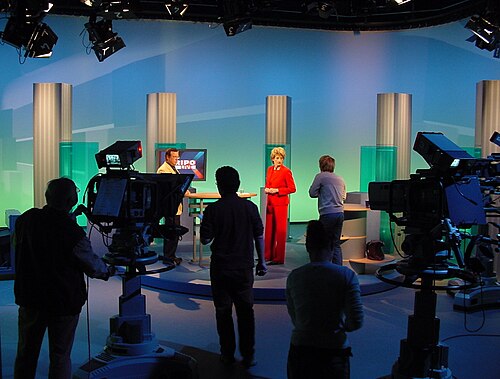
A television show (or TV program) refers to any content produced for viewing on a television set. Whether transmitted via over-the-air signals, satellite, cable, or distributed digitally through modern streaming platforms, these programs form the backbone of global home entertainment. Production typically occurs either in-house on a dedicated television stage using multiple cameras or through contracts with specialized film production companies.
While the term is broad, the industry distinguishes between different structures. An episodic show is known as a television series, with individual segments called episodes. These are usually grouped into annual sets, referred to as seasons in North America and series in other regions. Other formats include the television special (a one-off broadcast), the miniseries (a show with a limited number of episodes), and the telefilm (a feature film produced specifically for a network).
Key Facts
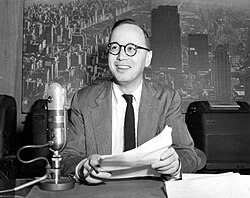
- First Weekly Variety Show: Texaco Star Theater (1948) proved TV was a stable medium for advertisers.
- Color Transition: The first national color broadcast in the US was the 1954 Tournament of Roses Parade.
- Production Costs: US broadcast network dramas average $3 million per episode, while cable dramas average $2 million.
- Demographics: Advertisers prioritize the 18–49 age range, often paying more for shows popular with young adults regardless of total viewership.
- Global Variation: UK programs often have shorter series runs compared to the traditional US broadcast model.
The History of Television Broadcasting
Television began with experimental, short-range broadcasts in the 1930s. Major global events accelerated the medium's growth, including the 1936 Summer Olympics in Germany, the 1937 coronation of King George VI in the UK, and David Sarnoff's 1939 presentation at the New York World's Fair. Although World War II paused development, the 1947 World Series triggered a surge in US television ownership.
The medium evolved rapidly in the mid-20th century. On September 4, 1951, the first national live broadcast in the US occurred when President Harry Truman's speech was transmitted via AT&T's transcontinental system. The shift to color began slowly; while the first national color broadcast happened in 1954, most programming remained black-and-white until the fall of 1965. By 1972, the final daytime network shows converted, marking the first entirely all-color network season.

Formats, Genres, and Narrative Evolution
Drama programs typically follow characters in historical or contemporary settings. Until the 1980s, most dramas (excluding soap operas) lacked story arcs—meaning plots were static and changes were usually undone by the end of an episode, allowing them to be aired in any order. Since the 1980s, series like Hill Street Blues and St. Elsewhere introduced progressive plot and character changes. Later, shows like Babylon 5 utilized predetermined stories spanning multiple seasons.
By 2012, television began to rival film in terms of revenue for major media companies. Directors like Steven Soderbergh have noted that the ambiguity and complexity of character and narrative once reserved for cinema are now frequently found in high-quality television programming.
Production and Running Times
The length of a television show varies significantly by region and platform. In the United States, dramas in hour-long slots typically run 37–42 minutes, while sitcoms in 30-minute slots run 18–21 minutes. Subscription-based cable channels (such as HBO or Showtime) often feature longer episodes, ranging from 45–48 minutes.
In the United Kingdom, commercial channel dramas typically run 46–48 minutes, while BBC dramas are longer (57–59 minutes) because they do not include advertising breaks. Similarly, BBC half-hour programs run about 28 minutes, compared to 22 minutes on commercial channels.
Budgets and Revenue Models
Production costs can vary wildly, especially for pilot episodes (the first episode used to sell a show to a network). While average costs are $2–$3 million, high-profile pilots have reached staggering sums: Boardwalk Empire cost $18 million for its first episode, and Terra Nova's two-hour pilot cost between $10 and $20 million.
Revenue is primarily generated through advertising or subscriptions. Networks focusing on advertising prioritize the 18–49 demographic. This explains why Grey's Anatomy could charge $419,000 per commercial in the 2007–08 season, significantly more than CSI ($248,000), despite CSI having nearly five million more total viewers.
Global Distribution and Scheduling
North American Usage
Traditionally, US networks used a "fall season" (September to March) with 24–26 episodes. Today, this usually extends to May, with a full season consisting of at least 22 episodes. Some networks use "split seasons" (e.g., Season 6A and 6B) to increase profits. New series are often initially funded for 10–13 episodes; if successful, a "back nine order" is placed to complete the season.
International Variations
Australia does not follow the US "fall" schedule. Dramas often run from February through November, taking a recess during the Southern Hemisphere summer. Soap operas like Home and Away are high-volume, often producing 205 to 235 episodes per season.
British television has trended toward shorter series. For example, Doctor Who originally featured 42 episodes per year in 1963, but the 2005 revival shifted to 13 installments of 45 minutes each.
Regional Highlights
In Egypt, the 1980s and 1990s are considered the golden age of the miniseries, with productions like The Family of Mr Shalash attracting millions of viewers.
| Region/Platform | Format | Typical Runtime (Excl. Ads) | Typical Season Length |
|---|---|---|---|
| US Broadcast | Drama | 37–42 mins | 22+ episodes |
| US Broadcast | Sitcom | 18–21 mins | 22+ episodes |
| US Cable (HBO/etc) | Drama | 45–48 mins | Varies |
| UK Commercial | Drama | 46–48 mins | Shorter series |
| UK BBC | Drama | 57–59 mins | Shorter series |
| Australia | Soap Opera | Varies | 205–235 episodes |
Frequently Asked Questions
What is the difference between a miniseries and a limited series?
A miniseries is a short, closed-ended series, typically six or more hours long. In recent years, the industry has shifted toward the terms "limited series" or "event series" to avoid the negative connotations of melodrama often associated with the term miniseries.
Why do some TV shows have "Part A" and "Part B" seasons?
These are known as split or half seasons. Networks split the broadcast schedule with a hiatus (often around the end of the calendar year) to increase profits and manage release schedules.
Why is the 18–49 age demographic so important to advertisers?
Advertisers value this group because young adults generally watch less television and are harder to reach than older demographics, making them a more prized audience for commercial spending.
How does the BBC's runtime differ from commercial channels?
BBC programs are generally longer because they are funded without commercial advertising breaks, allowing the content to occupy the full time slot.
What is a "back nine order"?
This occurs when a network initially funds a new series for 10 to 13 episodes to test audience interest. If the show is popular, the network orders the remaining nine episodes to bring the season to a standard length of 22 episodes.