Telemundo: The Evolution of America's Leading Spanish-Language Network
Telemundo stands as a cornerstone of Spanish-language media in the United States, providing a vital cultural and informational bridge for millions of viewers. As a free-to-air television network, it has grown from a modest regional start into a global production powerhouse, blending news, sports, and the high-drama storytelling of telenovelas (serialized television dramas).
Headquartered in Miami, Florida, the network operates a massive production facility in Doral. This hub is the heart of its creative output; in 2011, for example, 85 percent of the network's telenovelas were recorded there. The scale of these productions is significant, with the average hourly primetime drama costing approximately $70,000 to produce.
Key Facts
- Founded: 1984 (originally as NetSpan).
- Ownership: Owned by NBCUniversal (a subsidiary of Comcast).
- Reach: Estimated national reach of 57.23% of all U.S. households.
- Network Size: The largest American Spanish-language broadcast network by total number of affiliates.
- Technical Standard: Broadcasts in 1080i HDTV with a 16:9 aspect ratio.
A History of Growth and Ownership
From NetSpan to Telemundo
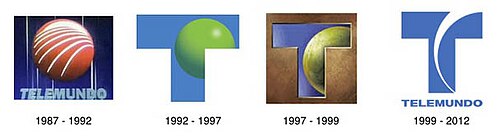
The network first launched on June 19, 1984, under the name NetSpan. It wasn't until 1987 that the network adopted the name Telemundo, borrowing the branding from WKAQ-TV, its owned-and-operated station located in San Juan, Puerto Rico.
Corporate Transitions
The late 1990s and early 2000s marked a period of significant corporate shifts. In 1997, Sony Pictures Entertainment and Liberty Media acquired a controlling interest in the network. This era of ownership was relatively short-lived, as NBC purchased Telemundo in 2001 to strengthen its presence in the Hispanic market.
In 2010, a major industry shift occurred when Comcast announced the acquisition of a 51 percent majority stake in NBC Universal for $6.5 billion. This deal, completed on January 28, 2011, brought Telemundo under the Comcast corporate umbrella.

Leadership and Restructuring
To compete with the ratings dominance of Univision, NBC Universal restructured Telemundo's entertainment division in 2007. Leadership has seen various changes over the years, including the presidency of Emilio Romano (2011–2013) and Luis Silberwasser, who was named president of Telemundo Network, LLC in 2014, overseeing both the network and Telemundo Studios.

Programming and Network Reach
Telemundo's programming is diverse, spanning news, sports, children's content, and special events. To increase accessibility, the network has utilized English subtitles for various programs, allowing a broader audience to engage with its content.
As of June 2018, the network's footprint is expansive, consisting of 28 owned-and-operated stations and affiliation agreements with 66 additional stations. This network spans all 50 U.S. states, the District of Columbia, and Puerto Rico, reaching an estimated 178.8 million Americans with television access.

Sister Channels and Digital Services
The Telemundo ecosystem includes several specialized channels and services:
- Universo: A digital cable and satellite network targeting Latinos aged 18–49, featuring sports, reality series, and music. It originally launched in 1993 as GEMS Television.
- TeleXitos: A digital network focusing on classic television programming.
- Telemundo Now: A "TV Everywhere" app providing video-on-demand services.
- Telemundo Internacional: Extending the network's reach beyond U.S. borders.
Network Overview Summary
| Feature | Detail |
|---|---|
| Parent Company | NBCUniversal (Comcast) |
| Primary Language | Spanish |
| Headquarters | Miami, Florida |
| Picture Format | 1080i HDTV (16:9) |
| Total Affiliates | 94 (28 O&O, 66 Affiliates) |
| Key Executive | Luis Fernández (Chairman, NBCUniversal Telemundo Enterprises) |
Labor and Industry Relations
Telemundo has navigated complex labor relations, particularly with SAG-AFTRA. A landmark three-year agreement established critical protections for workers, including a minimum 10-hour rest period between calls, the requirement for qualified personnel to coordinate stunts, and protections for minors. The deal also introduced annual minimum pay increases of 1–2% and participation in the SAG-AFTRA Health Plan and SAG–Producers Pension Plan.
Frequently Asked Questions
What was Telemundo called when it first launched?
The network was founded in 1984 under the name NetSpan before being renamed Telemundo in 1987.
Who currently owns Telemundo?
Telemundo is owned by NBCUniversal, which is a subsidiary of Comcast.
Where are most Telemundo programs produced?
The majority of programming is produced at the network's studio and production facilities located in Doral, a suburb of Miami, Florida.
How many people does Telemundo reach in the United States?
The network has an estimated national reach of 57.23 percent of all U.S. households, which equates to approximately 178,837,113 Americans.
What is the relationship between Telemundo and Universo?
Universo is a sister channel to Telemundo, operating as a digital cable and satellite network aimed at a younger Latino demographic (ages 18–49).