TCL Technology: A Global Leader in Consumer Electronics and Display Innovation
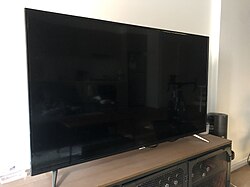
TCL Technology Group Corp. is a powerhouse in the global electronics landscape. Headquartered in Huizhou, Guangdong province, China, this partially state-owned enterprise has evolved from a small audio cassette manufacturer into one of the world's most influential producers of consumer electronics. Today, TCL is recognized as a dominant force in the television market, holding the position of the second-largest TV manufacturer by market share in 2022 and 2023.
Originally an abbreviation for Telecom Communications Limited, the company later rebranded the initials to stand for The Creative Life, reflecting its shift toward a broader lifestyle and technology ecosystem. From high-end displays to smart home appliances, TCL integrates manufacturing prowess with strategic global partnerships.
Key Facts
- Founded: 1981 (as TTK); renamed TCL in 1985.
- Global Standing: Second-largest TV manufacturer by market share (2022-2023).
- 2024 Financials: Reported revenue of US$ 20.895 billion and net income of US$ 0.687 billion.
- Core Products: Television sets, smartphones, air conditioners, washing machines, and refrigerators.
- Key Innovation: Developed TCL NXTPAPER, a display technology designed to reduce blue light and glare.
The Evolution of TCL: From Cassettes to Global Screens
The company's journey began in 1981 when founders Li Dongsheng and Luca Situ established TTK. Following an intellectual property dispute with TDK, the company rebranded as TCL in 1985. The following decades were marked by aggressive international expansion and strategic acquisitions.
In 2002, TCL acquired the consumer electronics assets of Germany's Schneider Rundfunkwerke. This was followed by a significant joint venture with France's Thomson SA in 2003 to produce televisions and DVD players globally. By 2004, TCL expanded into the mobile sector through a joint venture with Alcatel, eventually acquiring full control of the mobile business in 2005.
TCL's growth was further accelerated by its investment in display technology. In 2009, the company partnered with the Shenzhen government to build a massive 8.5-generation thin-film transistor-liquid crystal display (TFT-LCD) production facility. This vertical integration allowed TCL to control the supply chain of its most successful product: the television.
Strategic Branding and Partnerships
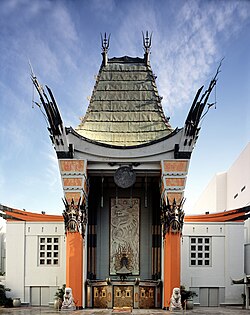
TCL has utilized high-profile marketing and partnerships to cement its global presence. In 2013, the company purchased the naming rights to Grauman's Chinese Theatre for $5 million. In the product space, TCL partnered with Roku in 2014 to make it the primary smart TV platform for many of its models. The company also collaborated with IKEA to provide the electronics for the Uppleva integrated HDTV system.
Business Operations and Product Ecosystem
TCL operates through five primary business divisions, ensuring a diversified revenue stream across the electronics spectrum:
- Multimedia: Focused on the production of television sets.
- Communications: Developing cell phones and MIFI (mobile Wi-Fi) devices.
- Home Appliances: Manufacturing air conditioning units and laundry machines.
- Home/Consumer Electronics: Producing Original Design Manufacturer (ODM) products like DVD players.
- Semiconductor Display and Materials: Including China Star Optoelectronics Technology (CSOT).
Beyond hardware, TCL has ventured into finance, logistics, real estate, and online education. To maintain its edge, the company operates 28 R&D organizations and 10 joint laboratories, including the specialized TCL Corporate Research facility in Shenzhen.
The Smartphone and Mobile Portfolio
TCL's mobile strategy has been characterized by a mix of own-brand innovation and licensing agreements. The company acquired the Palm brand from HP in 2014 and launched a Palm "ultra-mobile companion" in 2018. It also held a license to produce BlackBerry-branded smartphones from 2016 until August 2020.
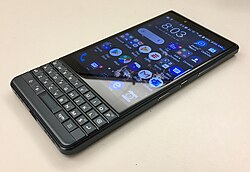
In 2019, TCL transitioned toward its own Android identity with the release of the TCL Plex, followed by the 10 series in 2020 and the 20 and 30 series in subsequent years. These devices range from budget-friendly models like the 10 SE to high-performance options like the 20 Pro 5G.
TCL Smartphone Specifications Overview
| Model | Display | Chipset | RAM | Battery |
|---|---|---|---|---|
| TCL Plex | 6.53" IPS LCD | Snapdragon 675 | 6 GB | 3820 mAh |
| TCL 10 Pro | AMOLED | Snapdragon 675 | 6 GB | 4500 mAh |
| TCL 10 5G | 6.53" IPS LCD | Snapdragon 765G | 6 GB | 4500 mAh |
| TCL 20 Pro 5G | AMOLED | Snapdragon 750G | 8 GB | 4500 mAh |
| TCL 30 V 5G | IPS LCD | Snapdragon 480 | 4 GB | - |
Digital Services and Future Outlook
TCL is expanding its software ecosystem through streaming services. Originally launched as GoLive TV in 2015, the service was relaunched in 2023 as TCL TV Plus, providing a dedicated streaming experience for its television users.
Looking forward, the company continues to form strategic alliances, such as the January 2026 joint venture agreement with Sony, where TCL holds a 51% stake. Despite facing legal challenges, including a 2025 lawsuit from the Texas attorney general regarding data collection, TCL remains a pivotal player in the global shift toward smarter, more integrated home electronics.
Frequently Asked Questions
What does the name TCL stand for?
TCL originally stood for Telecom Communications Limited, but the company later rebranded the initials to represent the slogan "The Creative Life."
Is TCL a state-owned company?
TCL is a public company that is partially state-owned.
What is TCL NXTPAPER?
TCL NXTPAPER is an innovative display technology designed to enhance visual comfort by reducing blue light emissions and providing anti-glare capabilities.
Which brands are associated with TCL?
In addition to the TCL brand, the company has worked with Alcatel Mobile, Thomson, RCA (in the US), and FFalcon (budget Smart TVs in Australia).
What is the current market position of TCL TVs?
TCL was the second-largest television manufacturer by market share in both 2022 and 2023.