Tashkent: The Vibrant Heart of Uzbekistan
Tashkent, known locally as Toshkent, is the bustling capital of Uzbekistan and a major cultural and economic hub in Central Asia. Often nicknamed "Tosh" (meaning "The Rock"), the city serves as a vital crossroads where ancient Silk Road history meets modern urban development. From its early roots as the settlement of Chach to its current status as a sprawling metropolis, Tashkent has undergone remarkable transformations.
Key Facts
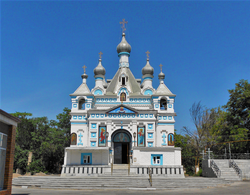
- Status: Capital city of Uzbekistan and the largest city in Central Asia.
- Population: Approximately 3,164,030 (as of October 2025).
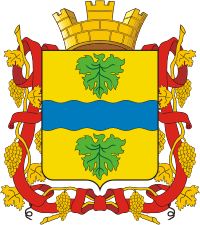
- Motto: "Kuch Adolatdadir" (Strength is in Justice).
- Settlement: Traces of habitation date back to the 3rd century BC.
- Climate: Continental climate with hot summers and cold winters.
- Major Hub: Home to the Islam Karimov Tashkent International Airport.
A Journey Through History
Ancient Roots and the Era of Chach
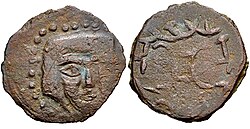
The history of Tashkent is deeply intertwined with the ancient region of Chach (also known as Shash or Binkat). Archaeological and numismatic evidence, such as ancient coinage, points to a sophisticated society existing in this area as early as the 3rd century BC. During the early centuries CE, the region was a significant player in regional trade and diplomacy.
![Ambassadors from Chaganian (central figure, inscription of the neck), and Chach (modern Tashkent) to king Varkhuman of Samarkand. 648-651 CE, Afrasiyab murals, Samarkand.[25][26]](/images/5f/2d/5f2df5a10a514c54d60619549c5aba564235b6f1ddca96386eed48f64c27afcd.jpg)
Islamic Influence and Dynastic Rule
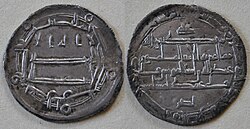
Following the era of Chach, the region came under the influence of the Islamic Caliphate. This period left a lasting impact on the city's architecture and culture. Later, the city saw various shifts in power, including rule by the Mongol Empire and the influential Timurid period.
During the 16th century, the Shaybanid dynasty held sway. Rulers such as Abdullah Khan II and Keldi Muhammad issued coins within the city, marking a period of established administrative control. Between 1598 and 1723, the city was also part of the Kazakh Khanate under the rule of Yesim-Khan.
The Rise of the Tashkent State and Kokand Khanate
In 1784, the city experienced a period of independence. Yunus Khoja, the ruler of the Shayhantahur district, united the city to create an independent Tashkent state. This state expanded its influence significantly until 1809, when Tashkent was annexed by the Khanate of Kokand. At that time, the city was already recognized as one of the wealthiest urban centers in Central Asia, with a population of roughly 100,000.
Colonialism and the Soviet Era
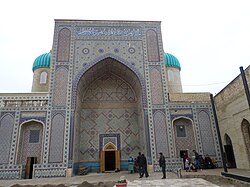
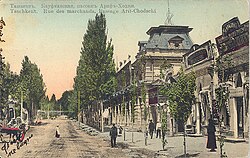
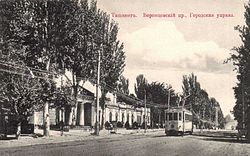
The 19th century brought the Russian Empire to the region, marking the beginning of a colonial period. The 20th century saw even more radical shifts following the Russian Revolution and the subsequent formation of the Soviet Union. Tashkent became a central administrative hub during the Soviet period.
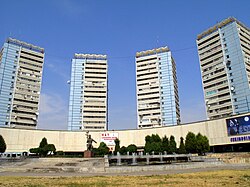
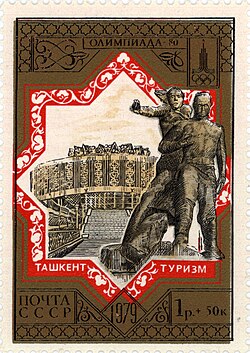
A defining moment in the city's modern history occurred in 1966, when a devastating earthquake necessitated a massive redevelopment effort. This event led to the reconstruction of much of the city, blending Soviet architectural styles with modern urban planning.
Geography and Climate
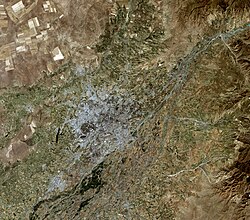
Tashkent is situated at an elevation of 455 meters (1,493 ft). The city experiences a continental climate, characterized by significant seasonal temperature variations. Summers are typically hot and dry, while winters can be quite cold with occasional snowfall.
The region receives its highest precipitation during the winter and spring months, with July and August being the driest periods. This climate influences the local ecology and the lush greenery found in the city's many parks and gardens.
Climate Summary Table
| Month | Avg Max Temp (°C) | Avg Min Temp (°C) | Precipitation (mm) |
|---|---|---|---|
| January | 7.2 | −1.3 | 54.9 |
| April | 22.3 | 10.1 | 63.3 |
| July | 35.9 | 20.1 | 3.4 |
| October | 22.2 | 8.3 | 23.7 |
Modern Tashkent: A Metropolitan Hub
Urban Structure and Demographics
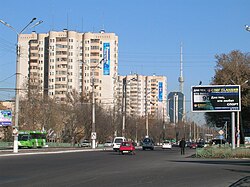
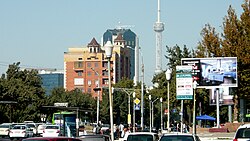
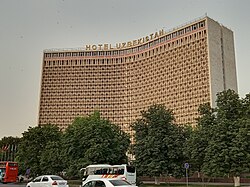
Today, Tashkent is divided into 12 administrative districts, including Chilanzar, Mirzo Ulugbek, and Yunusabad. The city is a melting pot of ethnicities; while the majority of the population is Uzbek (84.4%), there are significant Tajik, Kazakh, Karakalpak, and Russian communities.
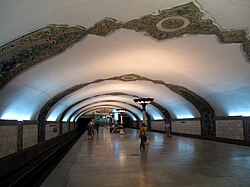
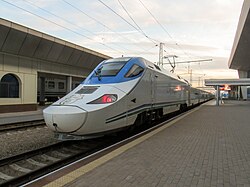
The city's infrastructure is highly developed, featuring the Tashkent Metro, a rapid transit system that is a point of pride for residents. For regional travel, the high-speed Afrosiyob train connects the city to other major Uzbek destinations.
Culture, Education, and Landmarks
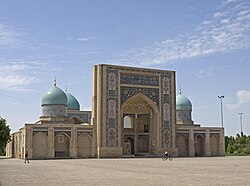
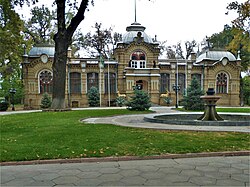
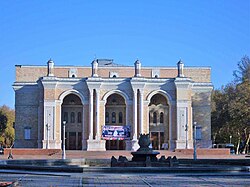
Tashkent is a center for learning, hosting numerous prestigious institutions such as the National University of Uzbekistan and the Westminster International University in Tashkent. The city's cultural landscape is equally rich, featuring landmarks ranging from the historic Kukeldash Madrasa to the modern Alisher Navoi Opera and Ballet Theatre.
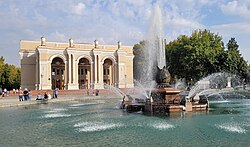
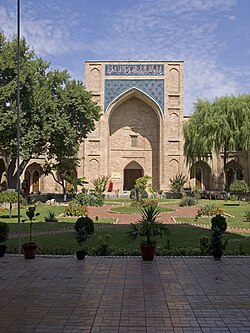
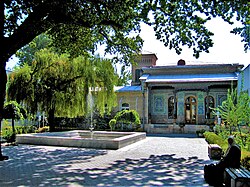
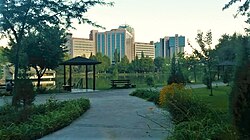
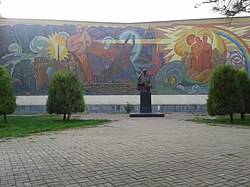
The city also offers diverse recreational spaces, such as the Japanese Gardens and various public monuments that commemorate both local and international figures.
Frequently Asked Questions

What is the official motto of Tashkent?
The motto of Tashkent is "Kuch Adolatdadir," which translates to "Strength is in Justice."
How large is the population of Tashkent?
As of October 2025, the population of the capital city is approximately 3,164,030.
What is the main international airport serving the city?
The city is served by the Islam Karimov Tashkent International Airport, which is the largest and busiest airport in Uzbekistan.
Is Tashkent a UNESCO World Heritage site?
While the city itself is a major historical center, the Western Tien-Shan Mountain, which is in the vicinity, is inscribed on the UNESCO World Heritage list.
What are the main modes of public transport in Tashkent?
The city utilizes a comprehensive rapid transit system known as the Tashkent Metro, alongside an extensive network of buses.