Taika Waititi: The Evolution of a Cinematic Visionary
From the comedy clubs of New Zealand to the heights of Hollywood, Taika Waititi has carved a unique niche in global cinema. Known for his signature blend of irreverent humor and poignant emotion, Waititi has transitioned from an indie darling to a powerhouse director and actor, breaking barriers for indigenous filmmakers worldwide.
Key Facts
- First Indigenous Win: The first person of Māori descent to win an Academy Award for a screenplay.
- MCU Impact: Directed Thor: Ragnarok and Thor: Love and Thunder, redefining the character of Thor.
- Genre Versatility: Spans mockumentaries, superhero epics, historical satires, and television series.
- Award-Winning Work: Oscar winner for Best Adapted Screenplay (Jojo Rabbit) and Grammy winner for its soundtrack.
Early Career and New Zealand Roots (1999–2012)
Waititi's creative journey began at Victoria University of Wellington, where he performed with the comedy ensemble So You're a Man. In 1999, he and Jemaine Clement formed the duo The Humourbeasts, earning the Billy T Award, New Zealand's top comedy honor. During this period, he also appeared in the black comedy Scarfies and created short films for the annual 48Hours contest.
His early directorial efforts gained international attention with the short film Two Cars, One Night (2003), which earned an Academy Award nomination for Best Live Action Short in 2005. This success paved the way for his first feature film, the romantic comedy Eagle vs Shark (2007), co-written with Loren Horsley.
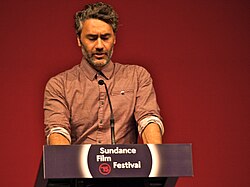
Waititi continued to build his portfolio through television, directing episodes of Flight of the Conchords and appearing in the improv show Radiradirah. In 2010, he wrote, directed, and starred in Boy, which premiered at the Sundance Film Festival and became a massive box office success in New Zealand.
Breakthrough and Global Expansion (2013–2020)
The 2010s marked Waititi's ascent to global stardom. In 2013, he co-created the vampire mockumentary What We Do in the Shadows with Jemaine Clement. The film's success led to a television adaptation on FX, which later received a Primetime Emmy nomination for Outstanding Comedy Series.
Waititi's ability to balance humor with heart was further evidenced in Hunt for the Wilderpeople (2016), a comedy adventure based on a book by Barry Crump. While he wrote an initial screenplay for Disney's Moana, the studio ultimately moved in a different narrative direction.
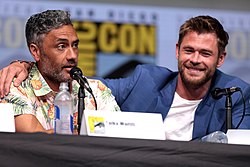
In 2017, Waititi entered the Marvel Cinematic Universe (MCU) by directing Thor: Ragnarok. He not only directed the film but also provided the motion capture voice for the character Korg. His influence on the franchise continued as he consulted on Thor's character arc for Avengers: Infinity War.
Waititi reached a historic milestone with Jojo Rabbit (2019). Based on the book Caging Skies, the film earned him an Academy Award for Best Adapted Screenplay, making him the first indigenous person to win in this category. He also won a Grammy Award in 2021 for the film's compilation soundtrack.

Beyond film, Waititi expanded into prestige television. He joined Lucasfilm as a director for The Mandalorian, directing the first-season finale and voicing the droid IG-11, a performance that earned him an Emmy nomination for Outstanding Character Voice-Over Performance.
Established Career and Recent Projects (2020–Present)
In recent years, Waititi has focused on diverse storytelling and indigenous representation. He co-created Reservation Dogs with Sterlin Harjo, a series featuring an indigenous cast and crew. He also executive produced, directed, and starred as Blackbeard in the HBO Max series Our Flag Means Death. These contributions led Time magazine to name him one of the 100 most influential people in the world in 2022.
His return to the MCU with Thor: Love and Thunder (2022) received mixed critical reviews, with some critics finding the humor tired while others praised the underlying ideas. He also directed Next Goal Wins (2023), a feature adaptation of a documentary that saw some scenes re-shot with Will Arnett replacing Armie Hammer.
Waititi continues to explore new formats, directing pilots for Time Bandits and Interior Chinatown in 2024. His versatility extended to entertainment television in 2025, where he appeared as "Detective Lucky Duck" on The Masked Singer. Looking forward, he is set to voice Willy Wonka in the upcoming Netflix animated film Charlie vs. The Chocolate Factory.
Career Summary Table
| Year | Project | Role | Notable Achievement |
|---|---|---|---|
| 2003 | Two Cars, One Night | Director | Oscar Nominated (Short Film) |
| 2010 | Boy | Director/Actor | Sundance Grand Jury Prize Nominee |
| 2014 | What We Do in the Shadows | Co-Director/Actor | Sundance Premiere |
| 2017 | Thor: Ragnarok | Director/Actor | Box Office Success |
| 2019 | Jojo Rabbit | Director/Writer/Actor | Oscar Winner (Adapted Screenplay) |
| 2019 | The Mandalorian | Director/Actor | Emmy Nominated (Voice-Over) |
Frequently Asked Questions
What is Taika Waititi's most significant Academy Award achievement?
Waititi won the Academy Award for Best Adapted Screenplay for Jojo Rabbit, becoming the first person of Māori descent to win a screenplay Oscar and the first indigenous person to win in that category.
Which Marvel characters has Taika Waititi portrayed?
Waititi provided the motion capture voice for the alien Korg in Thor: Ragnarok and Thor: Love and Thunder.
What is the significance of the series Reservation Dogs?
Co-created by Waititi and Sterlin Harjo, the series is notable for featuring a main cast, directors, producers, and writers who are all indigenous peoples.
Has Taika Waititi worked on any Star Wars projects?
Yes, he directed the first-season finale of The Mandalorian and voiced the droid bounty hunter IG-11.
What upcoming projects is Taika Waititi involved in?
Waititi is set to executive produce and voice Willy Wonka in the Netflix animated film Charlie vs. The Chocolate Factory.