Syringa: The Botanical Beauty and Cultural Legacy of Lilacs
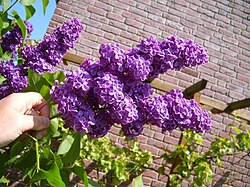
The lilac, belonging to the genus Syringa, is one of the most beloved flowering woody plants in temperate regions worldwide. Known for their intoxicating fragrance and vibrant hues, these plants belong to the Oleaceae (olive) family and are closely related to the privet genus, Ligustrum. From the woodlands of southeastern Europe to the scrublands of eastern Asia, lilacs have transitioned from wild inhabitants to essential staples of the ornamental garden.
Key Facts
- Scientific Name: Syringa (Genus)
- Family: Oleaceae (Olive family)
- Native Range: Southeastern Europe to eastern Asia
- Flower Colors: Purple, white, pale yellow, pink, and dark burgundy
- Growth Habit: Small trees or shrubs ranging from 2 to 10 meters in height
- Symbolism: Often represents first love
Botanical Characteristics and Description
Lilacs are characterized as small trees or large shrubs, typically reaching heights between 2 and 10 meters (6.5 to 33 feet). Their stems can grow to a diameter of 20 to 30 centimeters. The foliage is generally arranged in opposite patterns, though some species exhibit whorls of three. Most species feature simple, heart-shaped or broad lanceolate leaves, while a few rare species, such as S. pinnatifolia, possess pinnate leaves.
Flowers and Fragrance
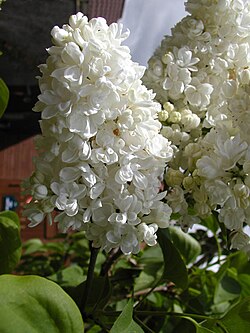
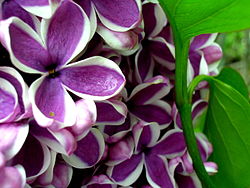
The most striking feature of the Syringa genus is its spring bloom. The flowers are bisexual, meaning each individual flower contains both fertile stamens and a stigma. These flowers grow in large clusters known as panicles. While the classic "lilac" color is a shade of purple, gardeners can find varieties in white, pink, pale yellow, and even deep burgundy.
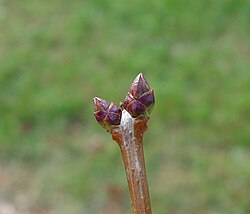
The flowering period generally spans from mid-spring to early summer. However, certain modern cultivars, such as the Bloomerang trademark, have been bred to exhibit reblooming capabilities, flowering in spring and again from late summer through fall.
Fruit and Seed Production
Following the flowering stage, the plant produces fruit in the form of a dry, brown capsule. Upon reaching maturity, this capsule splits in two to release two winged seeds, which aids in dispersal.
Taxonomy and Species Diversity
The genus was formally described in 1753 by the renowned botanist Carl Linnaeus in his work Species Plantarum. The name Syringa is derived from the Ancient Greek word syrinx, meaning "pipe" or "tube," a reference to the hollow branches found in Syringa vulgaris.
There are currently 12 recognized species within the genus. Some notable species include:
- Syringa emodi: The Himalayan lilac, native to northern India, Pakistan, Tibet, and Nepal.
- Syringa reticulata: The Japanese tree lilac.
- Syringa oblata: Known as the early blooming or broadleaf lilac.
- Syringa vulgaris: The common lilac, native to the Balkans and widely naturalized globally.
Cultivation, Uses, and Pharmacology
For gardeners, lilacs are prized for their ornamental value. They thrive best in well-drained soils, particularly those with a chalk base. A critical tip for growers is that lilacs flower on old wood; excessive pruning can stimulate fast-growing vegetative growth that lacks flowers.
Beyond aesthetics, the genus has significant scientific interest. In various Asian traditional medicines, species have been used to treat ailments such as coughs, abdominal pain, and bronchitis. Modern pharmacological studies have isolated compounds like syringin (a phenylpropanoid) and oleuropein (an iridoid), which have demonstrated antioxidant, anti-inflammatory, and antifungal activities.
Summary of Syringa Characteristics
| Feature | Description |
|---|---|
| Growth Form | Small trees or shrubs (2–10m) |
| Leaf Arrangement | Opposite or whorled |
| Flower Type | Bisexual, arranged in panicles |
| Preferred Soil | Well-drained, often chalk-based |
| Common Pests/Issues | Powdery mildew |
Frequently Asked Questions
What does the lilac symbolize?
In many cultures, the lilac is a symbol of first love. In certain Mediterranean regions, it is also associated with Easter due to its spring blooming cycle.
Why are my lilacs not blooming?
Lilacs produce their flowers on old wood. If the plant has been heavily pruned recently, it may focus its energy on producing new green growth rather than flower buds.
Can lilac wood be used for woodworking?
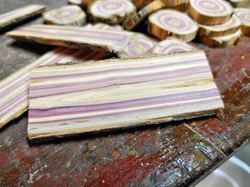
While not commercially harvested due to the small size of the trees, lilac is a relatively hard wood (Janka hardness of 2,350 lbf) and is considered suitable for woodturning.
What are the most famous lilac festivals?
Notable celebrations include the Rochester Lilac Festival in New York (the longest-running in North America), the Lilac Celebration at the Royal Botanical Gardens in Ontario, and the Lilac Sunday at the Arnold Arboretum in Boston.
Which insects rely on lilacs?
Lilacs serve as food plants for the larvae of several moth species, including the privet hawk moth and the lilac leaf mining moth.