Syrah and Shiraz: The History, Genetics, and Global Profile of a Powerhouse Grape
Syrah, also widely known as Shiraz, is one of the world's most influential dark-skinned grape varieties. Used primarily to produce full-bodied red wines, this grape is celebrated for its versatility, adapting its flavor profile to suit a variety of climates. From the stony slopes of the Northern Rhône to the expansive vineyards of Australia, Syrah has evolved from a regional French treasure into a global phenomenon.
While often used interchangeably, the names Syrah and Shiraz frequently signal different stylistic approaches to the same grape. Whether appearing as a single varietal or as a key component in a blend, it consistently delivers a powerful presence in the glass.
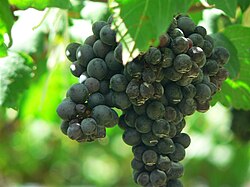
Key Facts
- Genetic Parentage: A natural cross between the obscure French grapes Dureza and Mondeuse blanche.
- Primary Characteristics: High tannins and high acidity with notes of blackberry and dark chocolate.
- Ideal Soil: Stony granite.
- Global Standing: Estimated as the world's 7th most grown grape as of 2004.
- Serving Temperature: Recommended at 18 °C (65 °F).
Origins and Genetic Discovery
For centuries, the origins of Syrah were shrouded in legend, with some claiming the grape was brought to France from the city of Shiraz in ancient Iran. However, modern science has provided a definitive answer. A 1998 DNA typing study conducted by Carole Meredith's research group at the University of California, Davis, concluded that Syrah is actually the offspring of two southeastern French varieties: Dureza (the father) and Mondeuse blanche (the mother).
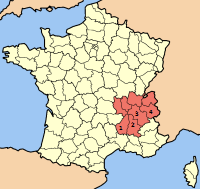
While the genetic link is clear, the exact date of this natural pollination remains unknown. Historical records provide some clues; in 77 CE, Pliny the Elder noted a prized dark-skinned grape in Vienne (modern-day Côte-Rôtie) that had not existed during the time of Virgil roughly 50 years prior.
The Syrah vs. Shiraz Nomenclature
The distinction between the names "Syrah" and "Shiraz" is more cultural and linguistic than botanical. The name "Shiraz" became dominant in Australia, where the grape is the most grown dark-skinned variety. Early Australian documents used the term "Scyras," which likely evolved into "Shiraz" through English linguistic influence, though British sources used the spelling "Shiraz" as early as the 1830s.
In the modern market, "Syrah" is typically used for wines following a traditional French style, while "Shiraz" often denotes a New World style—typically bolder and fruitier. In the United States, both names are legally permitted on labels, though "Shiraz" is often chosen by winemakers aiming for a style similar to the famous Penfolds Grange.
Taste Profiles and Climate Influence
Syrah is highly sensitive to its environment, which dramatically alters its aromatic and flavor compounds. Across all climates, it generally maintains high tannins and high acidity.
Climate-Based Flavor Profiles
- Medium Climates: Characterized by notes of mint, eucalyptus, smoked meat, and black pepper.
- Hot Climates: Produces flavors of liquorice, cloves, espresso, mocha, and dark chocolate.
- Aged Wines: Develop complex tertiary notes of leather, wet leaves, and earth.
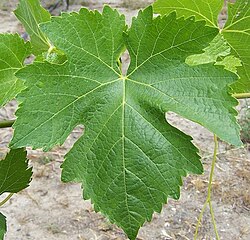
Global Production and Notable Regions
France: The Ancestral Home
France remains the world's largest producer of Syrah. The variety gained international fame through the wines of Hermitage, produced on a hill above Tain-l'Hermitage. These wines were so highly regarded in the 18th and 19th centuries that top Bordeaux châteaux occasionally used Hermitage to strengthen their own blends during weak vintages.
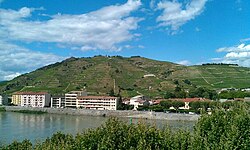
Australia: The New World Powerhouse
Introduced in 1832 by James Busby, Shiraz has become Australia's most popular red grape. The Barossa Valley is home to some of the oldest commercial vines, including the Turkey Flat vineyard planted in 1847. Iconic wines like Penfolds "Grange"—a multi-regional blend often including a small amount of Cabernet Sauvignon—have cemented the global reputation of Australian Shiraz.
Other Global Regions
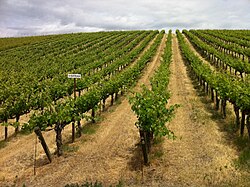
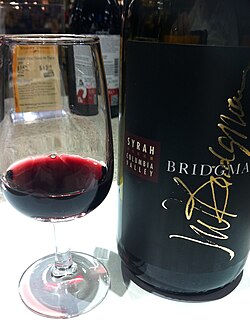
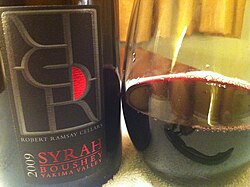
- United States: Popularized in California by the "Rhône rangers" in the 1970s, it is also grown significantly in Washington state (notably in the Naches Heights and Walla Walla AVAs) and Oregon.
- Spain: Plantings grew from 4,000 hectares in 1990 to over 20,000 by 2015, primarily in Castilla-La Mancha.
- South Africa: The variety has seen rapid expansion, with "Syrah" used for Rhône-style wines and "Shiraz" for others.
- Argentina and Chile: Used both as a standalone variety and as a blending partner for Malbec in Argentina.
Summary of Syrah/Shiraz Characteristics
| Feature | Details |
|---|---|
| Parents | Dureza & Mondeuse blanche |
| Skin Color | Black |
| Key Regions | Northern Rhône (France), Barossa Valley (Australia), Washington State (USA) |
| Primary Flavors | Blackberry, Dark Chocolate, Black Pepper, Liquorice |
| Ideal Soil | Stony Granite |
| Serving Temp | 18 °C (65 °F) |
Frequently Asked Questions
Is there a difference between Syrah and Shiraz grapes?
No, they are the exact same grape variety (Vitis). The difference in naming is primarily geographical and stylistic, with "Syrah" typically referring to the French style and "Shiraz" to the Australian or New World style.
Is Syrah the same as Petite Sirah?
No. Petite Sirah is a distinct variety created in 1880 from a cross between Syrah and Peloursin.
What are the primary tasting notes for Syrah?
Generally, it features blackberry and dark chocolate. Depending on the climate, you may also taste black pepper and mint (medium climates) or espresso and liquorice (hot climates).
Where did the grape actually originate?
Despite legends linking it to the city of Shiraz in Iran, DNA evidence proves it originated in southeastern France as a cross between Dureza and Mondeuse blanche.
Which country produces the most Syrah?
France has the world's largest plantations of Syrah, followed by Australia.