Suspense in Narrative and Psychology
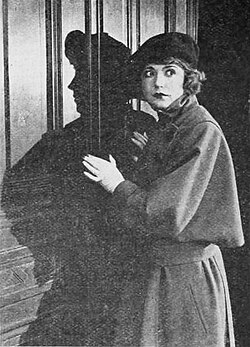
Suspense is a psychological state of anxiety or excitement triggered by uncertainty, doubt, or mysteriousness. While it is a universal human experience, it is most famously utilized as a powerful tool in storytelling. In a narrative context, suspense is the excited anticipation an audience feels regarding the plot or conflict, often heightened by stressful scenes, puzzles, or violent moments—particularly when the outcome affects a character the audience sympathizes with.
Although we most often associate it with movies and books, suspense is not exclusive to narratives; it is a fundamental emotional response to the unknown.
Key Facts
- Definition: A state of anxiety or excitement caused by uncertainty or undecidedness.
- Narrative Purpose: Used in literature, film, and theater to secure and maintain audience interest.
- Primary Types: Suspense can center on the who, what, or how (uncertain outcome) or the when (inevitable outcome).
- Foreshadowing: A complementary technique that provides hints about future events to build tension.
- The Paradox: The phenomenon where tension remains effective even when the audience already knows the ending.
Suspense in Narratives
In creative works, suspense serves as a primary engine for engagement. Depending on how the information is revealed, it generally falls into two categories:
- Uncertain Outcomes: The audience is unsure of the result, creating suspense around the identity of a culprit or the method of resolution.
- Inevitable Outcomes: The audience knows what will happen, but the tension arises from the anxious anticipation of when it will occur.
Even in historical fiction, where the life stories of characters are public knowledge, authors create suspense by focusing on the why behind the events. This is often supported by foreshadowing—the use of subtle hints to suggest future crises, such as the national revolution hinted at in Isabel Allende's House of the Spirits (1982).
Classic Examples of Suspense
| Work | Author/Playwright | Source of Suspense |
|---|---|---|
| Oedipus Rex | Sophocles | Withholding knowledge that Oedipus killed his father. |
| "Jean-ah Poquelin" | George Washington Cable | The cause of a strange smell and a brother's disappearance. |
| Pudd'nhead Wilson | Mark Twain | The outcome of switching a black infant with a white infant. |
| A Gathering of Old Men | Ernest J. Gaines | The anticipation of a murder trial's court decision. |
The Paradox of Suspense
The "paradox of suspense" refers to the fact that narrative tension can remain effective even when uncertainty is removed—such as when a repeat viewer watches a movie they have already seen. Scholars have proposed several theories to explain this:
- Memory Gaps: Some argue that true repeat audiences are rare because we forget specific details, creating new "holes" of curiosity.
- Fictional Immersion: Others suggest that while immersed in a story, we "forget" factual knowledge or expect the fictional world to behave like the real world, where exact repetition is impossible.
- Distinction of Tension: Yanal argues that tension in repeated stories is not "genuine suspense," as uncertainty is a requirement for the definition of suspense.
Alternative Forms of Tension
Baroni suggests different terms for suspense without uncertainty. Rappel is the enjoyment derived from perfectly anticipating what is to come, a feeling common in children reading familiar fairy tales. Additionally, suspense par contradiction occurs in tragedies when there is a conflict between what the reader knows will happen (cognition) and what they want to happen (volition), such as the inevitable death of a beloved protagonist.
Frequently Asked Questions
What is the difference between suspense and mystery?
While closely related, suspense focuses on the emotional state of anxiety and anticipation regarding an outcome, whereas mystery often focuses on the puzzle or the "who, what, or how" that needs to be solved.
How does foreshadowing contribute to suspense?
Foreshadowing provides subtle clues or hints about future events. This prepares the audience for a coming conflict, increasing their anticipation and anxiety as the predicted event draws nearer.
Can you feel suspense if you already know the ending?
Yes, this is known as the paradox of suspense. It can happen because we forget certain details, because we are immersed in the fictional world, or because we experience "rappel" (the pleasure of anticipation) or "suspense par contradiction" (wanting a different outcome than the one we know is coming).
Is suspense only used in thrillers?
No. Suspense is a versatile device used across all genres, including historical fiction, tragedies, and fairy tales, to maintain audience interest and emotional investment.