Suez Canal: A Global Maritime Lifeline Through History
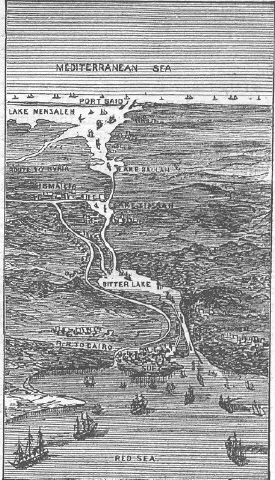
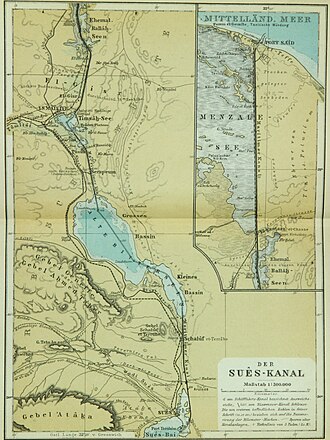
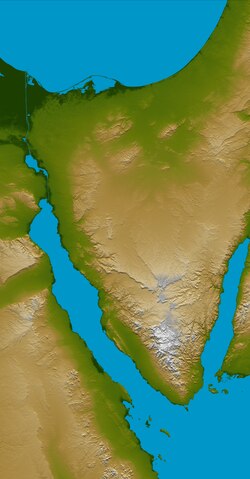
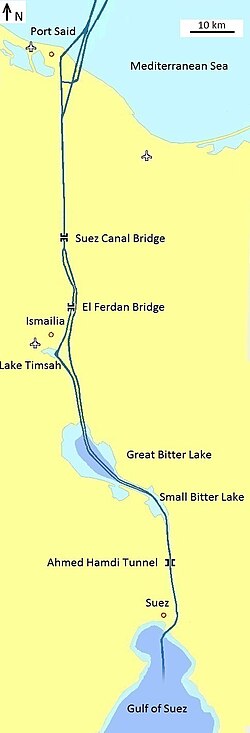
The Suez Canal stands as one of the most critical artificial waterways in the world, serving as a vital shortcut for global commerce by connecting the Mediterranean Sea to the Red Sea. By providing a direct link between Europe and Asia, it eliminates the need for vessels to navigate the lengthy and hazardous route around the southern tip of Africa. Today, managed by the Suez Canal Authority, this engineering marvel remains a cornerstone of international trade and maritime logistics.
Key Facts
- Total Length: 193.3 km (120.1 miles)
- Connection: Mediterranean Sea to the Red Sea
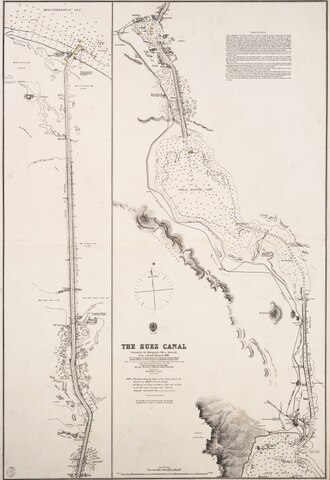
- Major Endpoints: Port Said (North) and Suez Port (South)
- Construction Period: 1859 to 1869
- Navigation Type: Sea-level waterway with no locks
- Maximum Draft: 20.1 m (66 ft)
Historical Evolution and Ancient Precursors
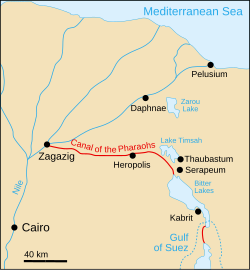
The concept of connecting the two seas is not a modern invention. Historical records suggest that ancient civilizations sought to bridge these waters long before the industrial era. Aristotle, in his work Meteorology, and the geographer Strabo both noted early attempts at canal construction. Ancient rulers, including Necho, Darius I, and the Ptolemies, are credited with various canal-digging efforts in the region.
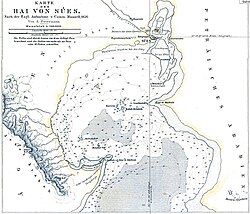
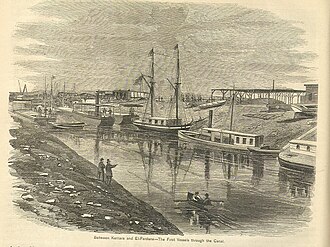
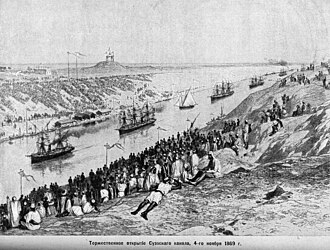
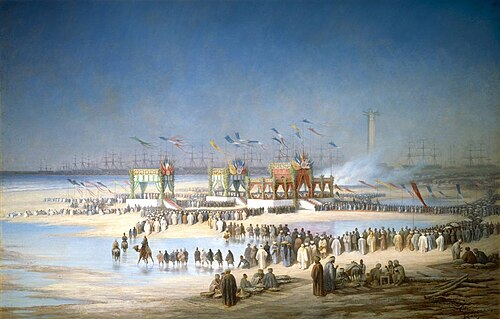
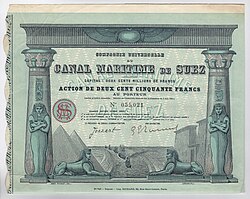
The modern canal, however, is the result of 19th-century engineering. Construction officially began on April 25, 1859, under the auspices of the Suez Canal Company. After a decade of intensive labor, the canal was completed and formally inaugurated on November 17, 1869.
The Suez Crisis and Geopolitical Shifts
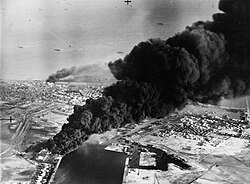
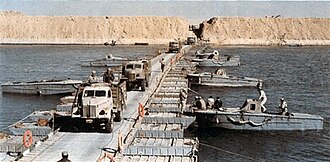
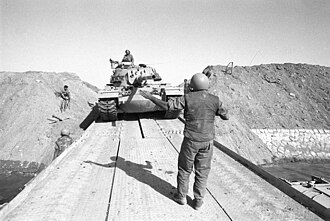
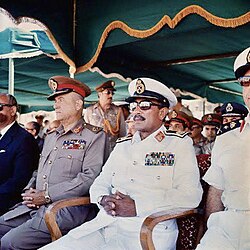
Throughout the 20th century, the canal has been a focal point of geopolitical tension. The Suez Crisis in 1956 marked a significant turning point in its history. Furthermore, the canal was caught in the crossfire of the Arab-Israeli wars in 1967 and 1973, leading to periods of closure and subsequent mine-clearing operations to restore safe passage.
Modern Operations and Capacity
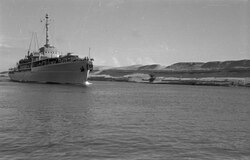
The canal is a sea-level waterway, meaning it does not utilize locks (mechanical chambers used to raise or lower ships) to manage water levels. This allows for a continuous flow of traffic, though it requires precise navigation. The canal can accommodate massive vessels, including container ships and aircraft carriers, with a maximum boat beam of 77.5 meters.
Expansion and Economic Impact
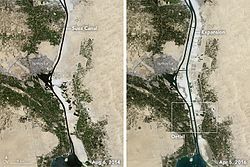
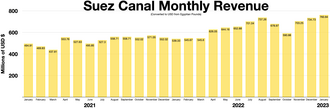
To meet the demands of modern shipping, Egypt has undertaken significant expansion projects. The New Suez Canal project, completed around 2015, added new lanes and deepened existing sections to allow for two-way traffic in certain areas and to accommodate larger vessels. These improvements are central to the Suez Canal Economic Zone (SCZONE), an initiative designed to attract global investment and boost industrial development along the waterway.
Navigational Challenges and Incidents
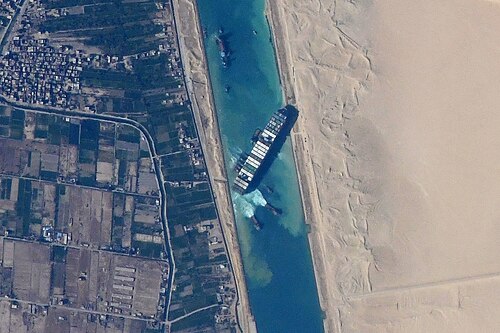
Despite its efficiency, the canal is susceptible to disruptions. In March 2021, the global shipping industry faced a major crisis when the Ever Given, a massive container ship, became wedged in the canal, blocking traffic for several days. Such incidents highlight the canal's vulnerability and its critical role in the global supply chain.

| Feature | Specification |
|---|---|
| Total Length | 193.3 km |
| Max Boat Beam | 77.5 m |
| Max Boat Draft | 20.1 m |
| Locks | None |
| Authority | Suez Canal Authority |
Frequently Asked Questions
Does the Suez Canal use locks?
No, the Suez Canal is a sea-level waterway and does not require locks to facilitate the passage of ships between the Mediterranean and Red Seas.
What is the maximum size of a ship that can pass through?
The canal can accommodate vessels with a maximum beam (width) of 77.5 meters and a maximum draft (depth below the waterline) of 20.1 meters.
How long is the Suez Canal?
The total length of the Suez Canal is approximately 193.3 kilometers (120.1 miles).
What happened during the 2021 blockage?
In March 2021, a large container ship named the Ever Given became grounded, obstructing the canal and causing significant delays in global maritime trade.
Who manages the Suez Canal?
The canal is managed and operated by the Suez Canal Authority (SCA) of Egypt.